
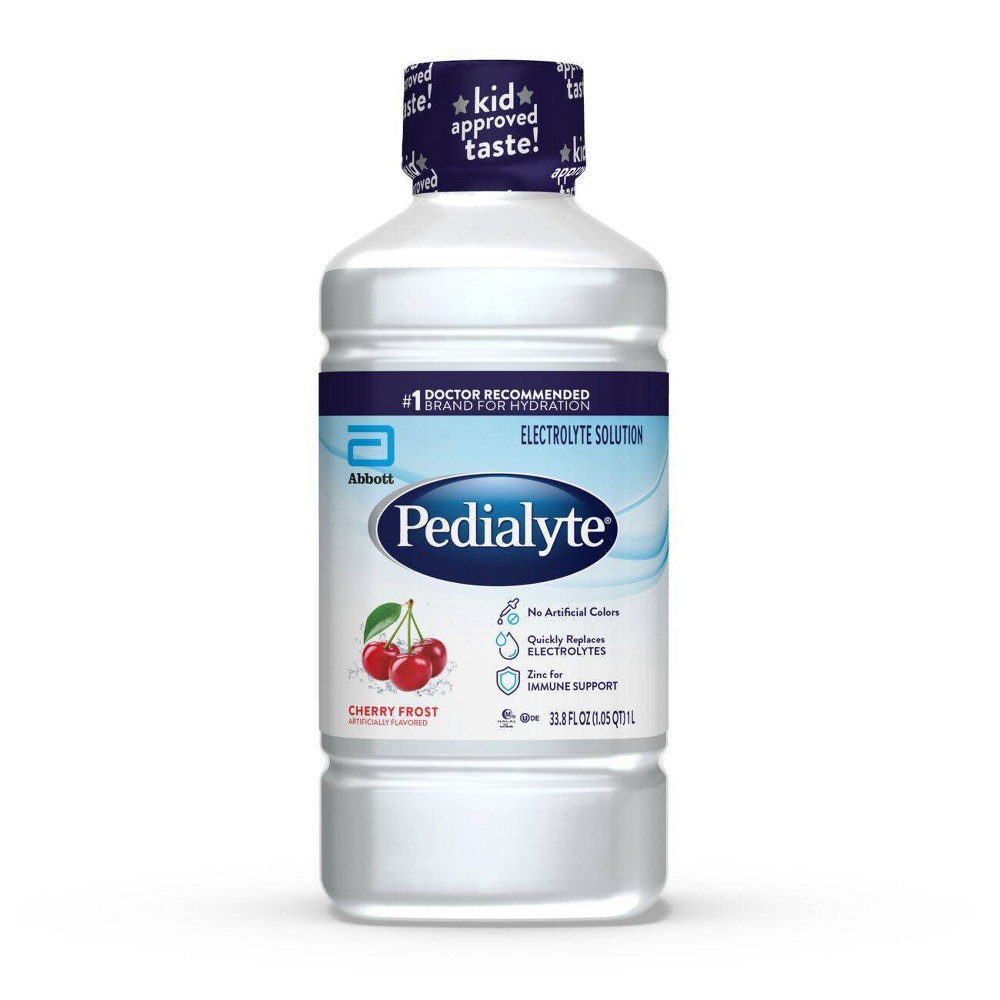

Pedialyte Electrolyte Solution Hydration Drink - Cherry Frost - 33.8 fl oz: Kosher, Halal, Ready to Drink
Analysis updated July 2026 · How Scout scores
At a glance
Summary
This hydration drink contains a mix of beneficial electrolytes like potassium and sodium, which are important for rehydration. However, the presence of artificial flavors and the use of dextrose as a sweetener contribute to its processed nature, which limits its score. The lack of transparency in flavoring agents and the processed ingredients prevent it from achieving a higher rating.
Key ingredients 7
SaltGood
Beneficial ingredient — whole-food or functional value in this product class.
Risks
High salt intake can increase the risk of hypertension and cardiovascular diseases.
Benefits
Salt is essential for maintaining fluid balance and nerve function.
Sodium CitrateGood
Beneficial ingredient — whole-food or functional value in this product class.
Risks
Excessive sodium intake can lead to hypertension and cardiovascular problems.
Benefits
Sodium citrate helps maintain the product's acidity and stability.
WaterNeutral
Water is a neutral ingredient that serves as the primary solvent in the beverage. It is essential for hydration but does not provide additional nutritional benefits. The quality of water can vary, but it generally poses no health risks in this context.
Benefits
Water is crucial for maintaining hydration and supporting bodily functions.
Citric AcidNeutral
Citric acid is used as a preservative and flavor enhancer in beverages. It is naturally found in citrus fruits and is generally recognized as safe. However, excessive consumption can lead to dental erosion.
Risks
High intake of citric acid may contribute to dental erosion over time.
Benefits
Citric acid can enhance flavor and act as a preservative, extending the shelf life of the product.
Potassium CitrateNeutral
Potassium citrate is used to regulate acidity and provide potassium, an essential electrolyte. It is generally safe and beneficial for maintaining electrolyte balance. However, excessive intake can lead to hyperkalemia in susceptible individuals.
Risks
Excessive potassium intake can cause hyperkalemia, especially in individuals with kidney issues.
Benefits
Potassium citrate helps maintain electrolyte balance and supports nerve and muscle function.
DextroseBad
Refined added sugar.
Risks
Excessive consumption of dextrose can lead to spikes in blood sugar levels and contribute to metabolic issues.
Benefits
Dextrose can provide a quick source of energy and aid in the absorption of electrolytes.
Natural And Artificial FlavorBad
Natural and artificial flavors are used to enhance the taste of the product but can obscure the actual ingredient quality. The lack of transparency in flavoring agents can be concerning for consumers seeking clean labels. These additives may contain synthetic chemicals that some individuals prefer to avoid.
Risks
Artificial flavors may contain synthetic chemicals that could pose health concerns for sensitive individuals.
Processing
Processed Foods
Get the full breakdown in the Scout appTake Scout shopping
Scan any product to see lab results, healthy alternatives, and your personalized analysis.
Download on theApp Store GET IT ONGoogle Play