


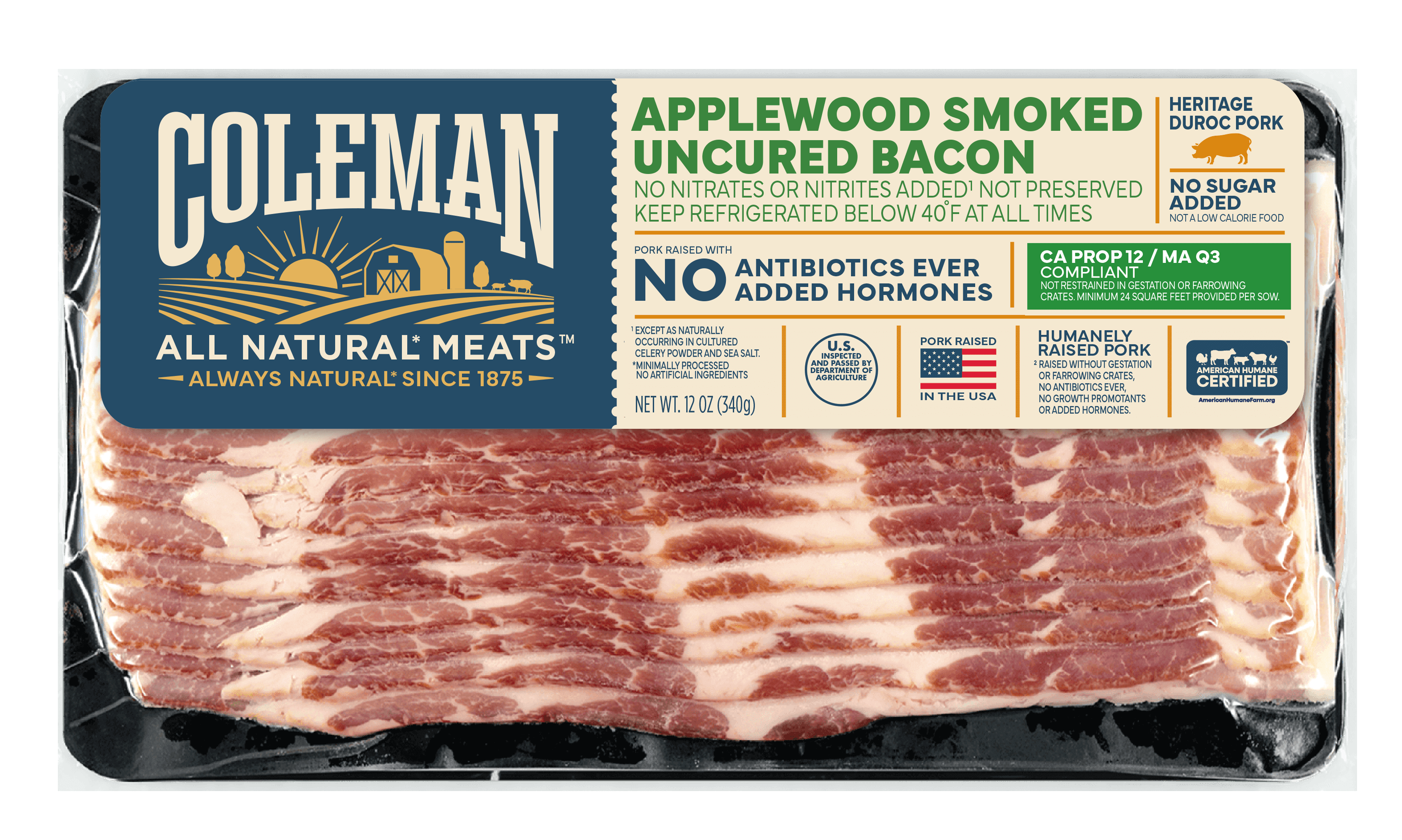
At a glance
Summary
This hardwood smoked bacon is processed and contains several additives, including sodium nitrite, which is controversial due to its potential to form carcinogenic compounds when cooked at high temperatures. The presence of sugar and sodium phosphates further contributes to its processed nature, impacting its health profile negatively. Despite being a source of protein, the use of these additives and the level of processing limit its overall healthiness.
Key ingredients 6
WaterNeutral
Water is used as a solvent and to maintain moisture in the product. It is a neutral ingredient with no direct health impact. It serves as a carrier for curing agents.
See more about Water →SaltNeutral
Salt is used for flavor and preservation in cured meats. It is a refined ingredient without the trace minerals found in unrefined salts. Excessive consumption can lead to health issues like hypertension.
Risks
High sodium intake can contribute to hypertension and cardiovascular disease.
Benefits
Provides essential sodium for electrolyte balance, but should be consumed in moderation.
Sodium ErythorbateNeutral
Sodium erythorbate is used as an antioxidant to preserve color and flavor in cured meats. It is a synthetic compound derived from sugar. Generally recognized as safe in regulated amounts.
Benefits
Helps maintain color and flavor stability in processed meats.
SugarBad
Sugar is used to balance the flavor profile of cured meats. It is a refined carbohydrate with no essential nutrients. Excessive consumption can lead to metabolic issues and dental problems.
Risks
High sugar intake is linked to obesity, type 2 diabetes, and dental cavities.
Sodium PhosphatesBad
Sodium phosphates are used as emulsifiers and to retain moisture in processed meats. They are synthetic additives that can affect kidney function in sensitive individuals. Overconsumption may lead to imbalanced phosphate levels.
Risks
Excessive intake can lead to imbalanced phosphate levels and potential kidney issues.
Benefits
Helps maintain moisture and texture in processed meats.
Sodium NitriteVery Bad
Sodium nitrite is used as a preservative and color fixative in cured meats. It can form nitrosamines, which are potential carcinogens, especially when meats are cooked at high temperatures. Its use is controversial due to potential health risks.
Risks
Potential formation of carcinogenic nitrosamines when exposed to high heat.
Benefits
Preserves meat and prevents bacterial growth, enhancing food safety.
Processing
Processed Foods
Get the full breakdown in the Scout appTake Scout shopping
Scan any product to see lab results, healthy alternatives, and your personalized analysis.
Download on theApp Store GET IT ONGoogle Play