


At a glance
Summary
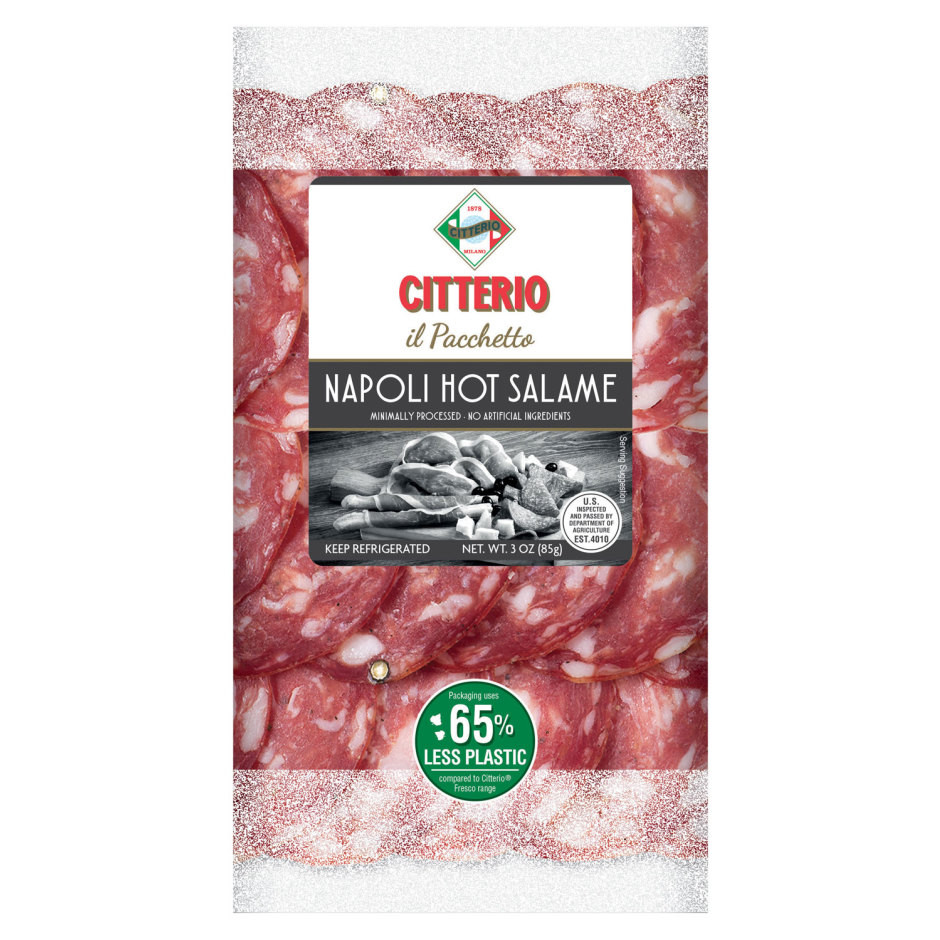
This product is a processed meat containing preservatives like potassium nitrate and sodium nitrate, which are used to maintain color and prevent bacterial growth but can form harmful compounds. The presence of sugar adds unnecessary calories without nutritional benefits. Despite these concerns, the product has a relatively short ingredient list and includes beneficial ingredients like garlic, which provides some health benefits.
Key ingredients 10
SpicesGood
Whole-food seasonings, antioxidant-bearing.
Benefits
Spices can enhance flavor and may provide antioxidants that support overall health.
PaprikaGood
Beneficial ingredient — whole-food or functional value in this product class.
Benefits
Paprika provides antioxidants and vitamins that may support immune function and overall health.
Ascorbic AcidGood
Vitamin C — beneficial even when serving as a preservative.
Benefits
Ascorbic acid is an antioxidant that supports immune function and skin health.
GarlicGood
Garlic is used for its flavor and potential health benefits, including antimicrobial and cardiovascular effects. It contains sulfur compounds that may support heart health. Fresh garlic is more beneficial than processed forms.
Benefits
Garlic may support cardiovascular health and has antimicrobial properties.
PorkNeutral
Pork is a common source of protein and fat in processed meats. It provides essential amino acids and nutrients but can be high in saturated fats. The quality of pork can vary based on the animal's diet and living conditions.
Risks
High consumption of processed pork products may increase the risk of cardiovascular diseases due to saturated fat content.
Benefits
Pork provides a good source of protein and essential nutrients like B vitamins and zinc.
SaltNeutral
Salt is used as a preservative and flavor enhancer in processed meats. It is essential for maintaining fluid balance and nerve function. However, excessive salt intake can lead to health issues such as hypertension.
Risks
Excessive consumption of salt can lead to high blood pressure and increased risk of heart disease.
Benefits
Salt is necessary for maintaining electrolyte balance and proper muscle function.
Lactic Acid Starter CultureNeutral
Lactic acid starter cultures are used in fermentation to develop flavor and preserve the product. They can improve the texture and safety of fermented foods. The cultures themselves are generally considered safe and beneficial.
Benefits
Lactic acid bacteria can improve gut health and enhance the flavor profile of fermented foods.
SugarBad
Sugar is often added to processed foods for flavor enhancement. It can contribute to calorie intake without providing essential nutrients. Excessive sugar consumption is linked to obesity and metabolic disorders.
Risks
High sugar intake is associated with increased risk of obesity, type 2 diabetes, and dental cavities.
Potassium NitrateBad
Potassium nitrate is used as a preservative and color fixative in processed meats. It can convert to nitrites, which may form harmful nitrosamines in the body. Its use is regulated due to potential health concerns.
Risks
Potential formation of nitrosamines, which are linked to cancer risk, especially when consumed in large amounts.
Sodium NitrateBad
Sodium nitrate is used to preserve color and prevent bacterial growth in processed meats. It can convert to nitrites and potentially form nitrosamines, which are carcinogenic. Its use is regulated to minimize health risks.
Risks
Potential formation of nitrosamines, which are linked to cancer risk, especially when consumed in large amounts.
Processing
Processed Foods
Get the full breakdown in the Scout appTake Scout shopping
Scan any product to see lab results, healthy alternatives, and your personalized analysis.
Download on theApp Store GET IT ONGoogle Play