


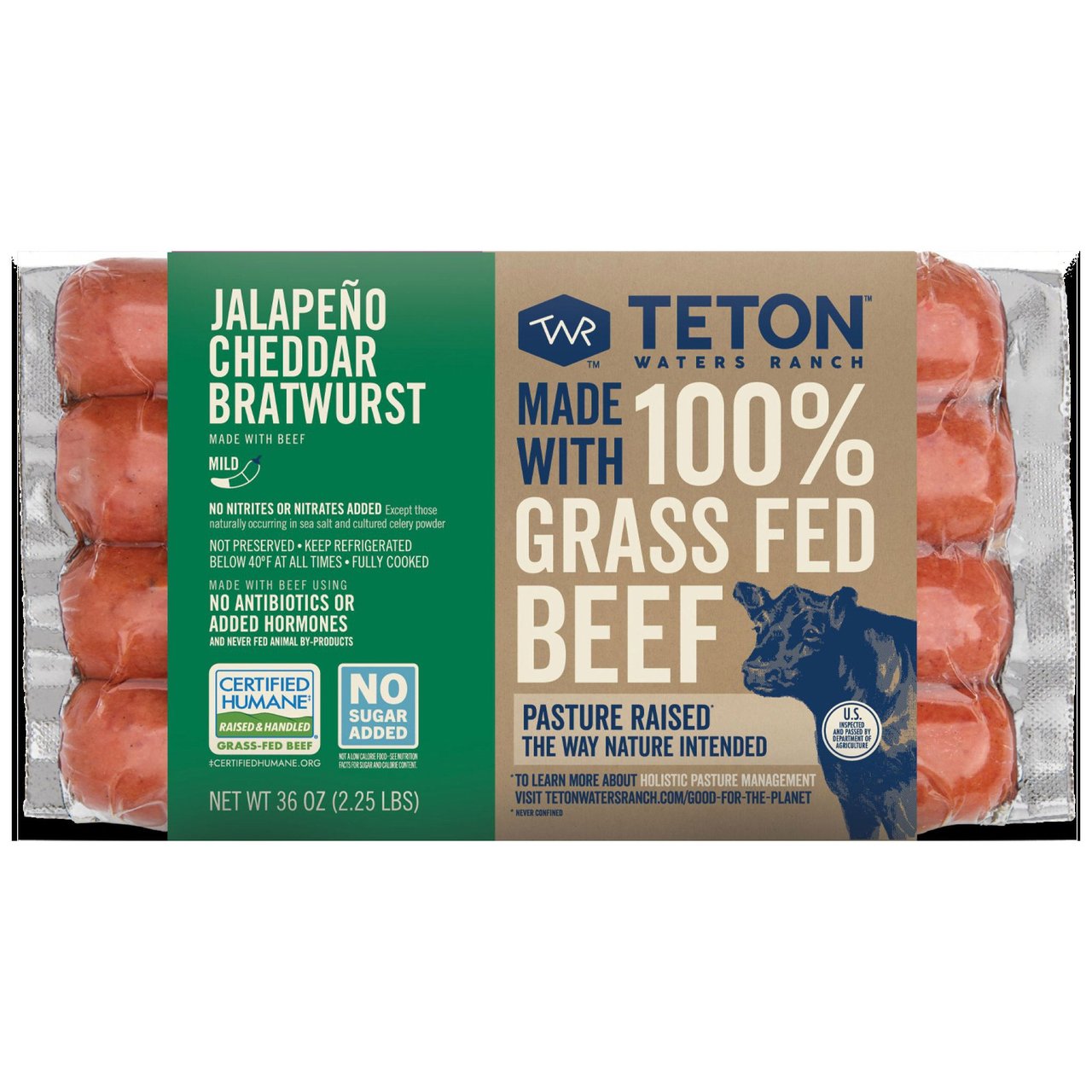


Smoked Beef Bratwurst
Analysis updated July 2026 · How Scout scores
At a glance
Summary
The smoked beef bratwurst contains beneficial ingredients like beef and spices, which provide protein and antioxidants. However, the presence of corn syrup and dextrose as sweeteners contributes to added sugar intake, which is linked to metabolic disorders. The product is processed, which limits its score due to the inclusion of additives like sodium phosphates and sodium erythorbate.
Key ingredients 9
BeefGood
Beef is a high-quality source of complete protein and essential nutrients like iron and B vitamins. It provides a rich amino acid profile beneficial for muscle maintenance and growth. Grass-fed beef would be preferable for higher omega-3 content, but standard beef still offers significant nutritional value.
Risks
Excessive consumption of red meat has been linked to increased risk of certain diseases, such as colorectal cancer.
Benefits
Rich in protein and essential nutrients, supporting muscle health and energy metabolism.
Spices Including PaprikaGood
Spices, including paprika, add flavor and potential health benefits due to their antioxidant properties. Paprika contains vitamins A and E, which support immune function and skin health. The use of spices can enhance the sensory profile of foods without adding calories.
Benefits
Provides antioxidants and vitamins that may support overall health and enhance flavor.
WaterNeutral
Water is used as a processing aid and does not contribute nutritional value. It helps in maintaining moisture and texture in processed meats. There are no health concerns associated with water as an ingredient.
See more about Water →SaltNeutral
Salt is used to enhance flavor and preserve food. It is a common ingredient in processed meats but does not provide additional nutritional benefits. Excessive salt intake can lead to hypertension and cardiovascular issues.
Risks
High sodium intake is associated with increased risk of hypertension and cardiovascular diseases.
FlavoringsNeutral
Flavorings are added to enhance the taste of processed foods. They are often proprietary blends and can vary widely in composition. Without specific details, it's challenging to assess their health impact.
Risks
Potential for allergic reactions or sensitivities in some individuals.
Sodium PhosphatesNeutral
Sodium phosphates are used as emulsifiers and preservatives in processed meats. They help retain moisture and improve texture. While generally recognized as safe, excessive intake of phosphates can affect kidney function.
Risks
High phosphate intake may impact kidney health, especially in individuals with pre-existing conditions.
Benefits
Improves texture and moisture retention in processed foods.
Sodium ErythorbateNeutral
Sodium erythorbate is an antioxidant used to preserve color and flavor in processed meats. It is a synthetic compound but is considered safe for consumption. It helps prevent oxidation, maintaining product quality.
Benefits
Helps maintain color and flavor stability in processed meats.
Corn SyrupBad
Corn syrup is a sweetener that can contribute to excessive sugar intake. It is often used in processed foods to enhance sweetness and texture. High consumption of added sugars is linked to obesity and metabolic disorders.
Risks
May contribute to increased risk of obesity, type 2 diabetes, and heart disease when consumed in excess.
DextroseBad
Dextrose is a simple sugar used as a sweetener and preservative in processed foods. It can contribute to increased blood sugar levels and caloric intake. Regular consumption of added sugars is associated with various health issues.
Risks
May increase risk of obesity, insulin resistance, and dental cavities when consumed in excess.
Processing
Processed Foods
Get the full breakdown in the Scout appTake Scout shopping
Scan any product to see lab results, healthy alternatives, and your personalized analysis.
Download on theApp Store GET IT ONGoogle Play