
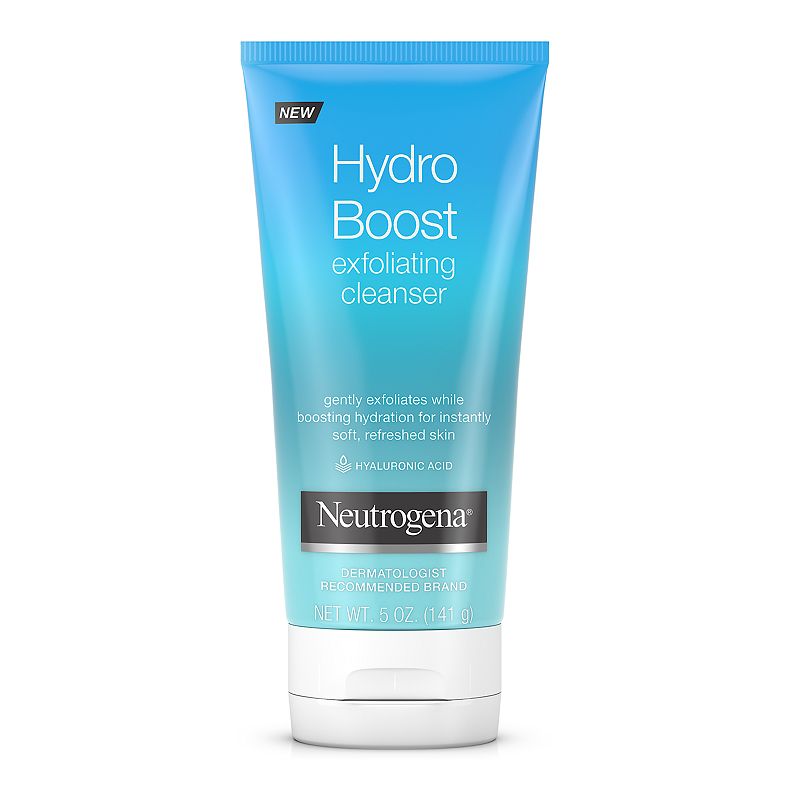



Neutrogena Hydro Boost Gentle Exfoliating Daily Facial Cleanser with Hyaluronic Acid - 5 fl oz: Moisturizes & Cleanses
Analysis updated August 2026 · How Scout scores
At a glance
Summary
This facial cleanser contains beneficial ingredients like glycerin, glycolic acid, lactic acid, papaya fruit extract, and hydrolyzed hyaluronic acid, which are known for their moisturizing and exfoliating properties. However, the presence of fragrance, which can cause skin irritation and sensitivity, detracts from its overall safety profile. Additionally, the product's processing level and inclusion of synthetic ingredients like acrylates crosspolymer-4 and polysorbate 20 further impact its rating.
Key ingredients 17
Hydrolyzed Hyaluronic AcidVery Good
Hydrolyzed Hyaluronic Acid is a powerful humectant that attracts and retains moisture in the skin. It is known for its ability to deeply hydrate and plump the skin. It is highly beneficial for maintaining skin hydration and elasticity.
Risks
There are minimal risks associated with hyaluronic acid; it is generally well-tolerated.
Benefits
Deeply hydrates and plumps the skin, improving elasticity and moisture retention.
GlycerinGood
Glycerin is a humectant that attracts moisture to the skin, helping to keep it hydrated. It is widely used in skincare for its moisturizing properties. It is considered safe and beneficial for most skin types.
Risks
There are minimal risks associated with glycerin; it is generally well-tolerated.
Benefits
Helps to maintain skin hydration and improve skin barrier function.
Glycolic AcidGood
Glycolic Acid is an alpha hydroxy acid (AHA) used for its exfoliating properties. It helps in removing dead skin cells and improving skin texture. It is effective in promoting skin renewal and improving skin appearance.
Risks
Can cause irritation and sensitivity, especially in higher concentrations.
Benefits
Promotes exfoliation and improves skin texture and appearance.
Carica Papaya (Papaya) Fruit ExtractGood
Papaya Fruit Extract is known for its exfoliating and skin-brightening properties. It contains enzymes that help in removing dead skin cells and improving skin texture. It is beneficial for promoting a radiant complexion.
Risks
May cause irritation in sensitive skin due to enzymatic activity.
Benefits
Exfoliates and brightens the skin, promoting a radiant complexion.
WaterNeutral
Water is a common solvent used in cosmetics to dissolve other ingredients. It helps in forming the base of the product. It does not have any direct benefits or risks associated with its use in skincare.
Risks
There are no significant risks associated with water in skincare products.
Benefits
Water helps in dissolving other ingredients and provides a base for the formulation.
Sodium C14-16 Olefin SulfonateNeutral
Sodium C14-16 Olefin Sulfonate is a surfactant used for its cleansing properties. It helps in removing dirt and oil from the skin. It is considered milder than SLS but can still cause irritation in some individuals.
Risks
Potential for skin irritation, especially in sensitive skin types.
Benefits
Effective in cleansing the skin by removing dirt and oil.
Cocamidopropyl HydroxysultaineNeutral
Cocamidopropyl Hydroxysultaine is a surfactant and foam booster derived from coconut oil. It is used to enhance the texture and feel of the product. It is generally considered mild and less irritating than other surfactants.
Risks
May cause mild irritation in very sensitive skin.
Benefits
Improves the texture and foaming ability of the cleanser.
Sodium Hydrolyzed Potato Starch DodecenylsuccinateNeutral
This ingredient is used as a film-forming agent and texture enhancer in cosmetics. It helps in providing a smooth application. It is generally considered safe for use in skincare products.
Benefits
Enhances the texture and feel of the product on the skin.
Acrylates Crosspolymer-4Neutral
Acrylates Crosspolymer-4 is used as a thickening agent and stabilizer in cosmetic formulations. It helps in maintaining the consistency of the product. It is generally considered safe for use in cosmetics.
Risks
May cause mild irritation in sensitive individuals.
Benefits
Stabilizes the formulation and improves product texture.
CelluloseNeutral
Cellulose is used as a thickener and stabilizer in cosmetic products. It helps in providing a smooth texture and consistency. It is derived from plant sources and is generally considered safe.
Benefits
Improves the texture and stability of the product.
Polysorbate 20Neutral
Polysorbate 20 is an emulsifier used to mix oil and water-based ingredients. It helps in stabilizing the formulation. It is generally considered safe for use in cosmetics.
Risks
May cause mild irritation in sensitive skin.
Benefits
Stabilizes emulsions and improves product consistency.
Citric AcidNeutral
Citric Acid is used to adjust the pH of cosmetic formulations. It can also provide mild exfoliation benefits. It is generally safe but can cause irritation in sensitive skin.
Risks
Potential for irritation, especially in sensitive skin types.
Benefits
Helps in maintaining the pH balance of the product.
Lactic AcidNeutral
Standard formulation ingredient — neither beneficial nor harmful at typical use.
Risks
May cause irritation and sensitivity, especially in sensitive skin.
Benefits
Exfoliates and hydrates the skin, improving texture and appearance.
Sodium HydroxideNeutral
Sodium Hydroxide is used to adjust the pH of cosmetic formulations. It is effective in maintaining the stability of the product. It is generally considered safe in low concentrations.
Risks
Can be irritating in higher concentrations.
Benefits
Helps in maintaining the pH balance of the product.
Sodium BenzoateBad
Synthetic preservative that can form benzene in the presence of vitamin C.
Risks
May cause mild irritation in sensitive individuals.
Benefits
Prevents microbial growth and extends product shelf life.
Disodium EDTABad
Processed additive flagged under Scout's ingredient doctrine.
Risks
May cause mild irritation in sensitive individuals.
Benefits
Improves product stability and prevents degradation.
FragranceVery Bad
Fragrance is used to impart a pleasant scent to cosmetic products. However, it is a common cause of allergic reactions and skin irritation. It is often criticized for its potential to cause skin sensitivity.
Risks
High potential for causing allergic reactions and skin irritation.
Benefits
Provides a pleasant scent to the product.
Get the full breakdown in the Scout appTake Scout shopping
Scan any product to see lab results, healthy alternatives, and your personalized analysis.
Download on theApp Store GET IT ONGoogle PlayAmazon pricing & content
Amazon price as of . Product prices and availability are accurate as of the date/time indicated and are subject to change. Any price and availability information displayed on Amazon.com at the time of purchase will apply to the purchase of this product.
CERTAIN CONTENT THAT APPEARS ON THIS SITE COMES FROM AMAZON. THIS CONTENT IS PROVIDED “AS IS” AND IS SUBJECT TO CHANGE OR REMOVAL AT ANY TIME.