



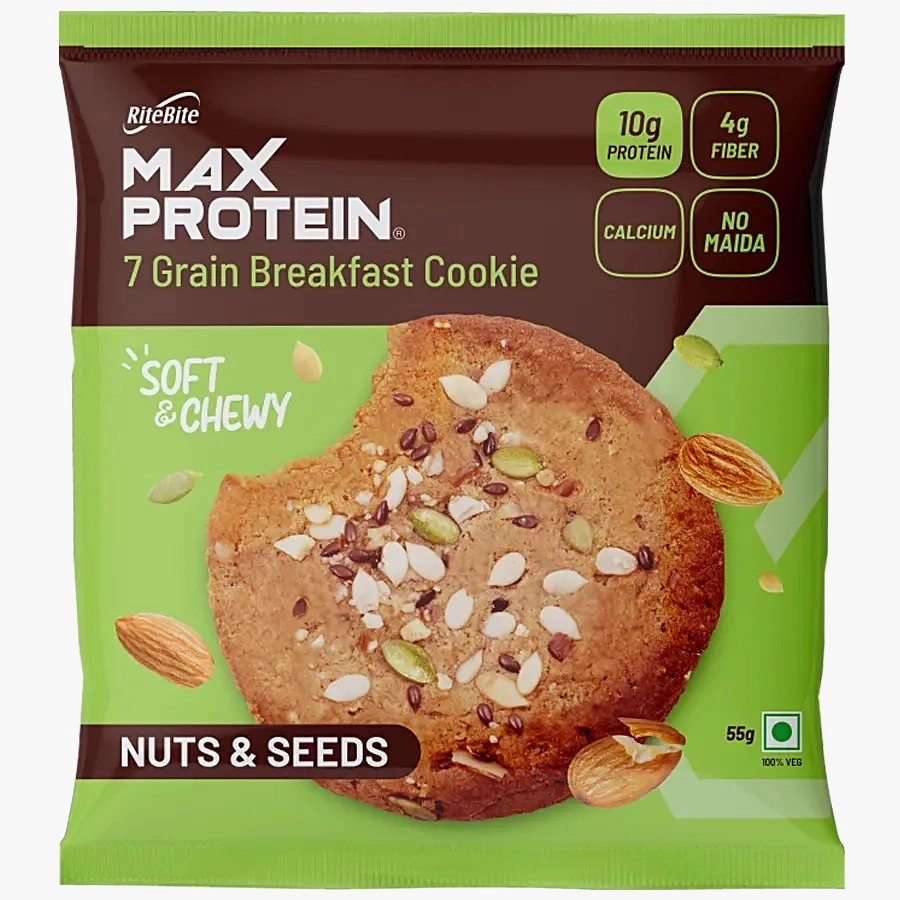

At a glance
Summary
This whole grain cereal contains beneficial whole grain wheat, which provides fiber and nutrients, contributing positively to digestive health. However, the presence of cane sugar, a refined sugar, introduces a moderate health concern due to its potential impact on metabolic health. The product is moderately processed, which limits its overall health score despite the inclusion of whole grains.
Key ingredients 4
Whole Grain WheatGood
Whole grain wheat is a source of complex carbohydrates and dietary fiber, which are beneficial for digestive health. It is minimally processed, retaining most of its nutrients and fiber content. Whole grains are associated with a reduced risk of chronic diseases.
Risks
May cause allergic reactions in individuals with wheat allergies or gluten intolerance.
Benefits
Provides essential nutrients such as fiber, vitamins, and minerals that support overall health and digestion.
Barley Malt ExtractNeutral
Barley malt extract is used as a natural sweetener and flavor enhancer. It is derived from sprouted barley grains and contains some vitamins and minerals. However, it is primarily a source of sugar and should be consumed in moderation.
Risks
Contains gluten, which can be problematic for individuals with celiac disease or gluten sensitivity.
Benefits
Provides a natural source of sweetness and flavor, with some trace nutrients from barley.
SaltNeutral
Salt is used to enhance flavor and preserve food. It is a source of sodium, which is essential for maintaining fluid balance and nerve function. However, excessive sodium intake can lead to hypertension and cardiovascular issues.
Risks
High sodium intake is associated with increased blood pressure and risk of heart disease.
Benefits
Provides essential sodium needed for various physiological functions.
Cane SugarBad
Cane sugar is a refined sugar that contributes to increased calorie intake without providing essential nutrients. Excessive consumption of refined sugars is linked to various health issues, including obesity and metabolic disorders. It is processed to remove impurities, resulting in a high glycemic index.
Risks
High intake of refined sugars can lead to weight gain, insulin resistance, and increased risk of chronic diseases.
Processing
Processed Foods
Get the full breakdown in the Scout appTake Scout shopping
Scan any product to see lab results, healthy alternatives, and your personalized analysis.
Download on theApp Store GET IT ONGoogle Play