


At a glance
Summary
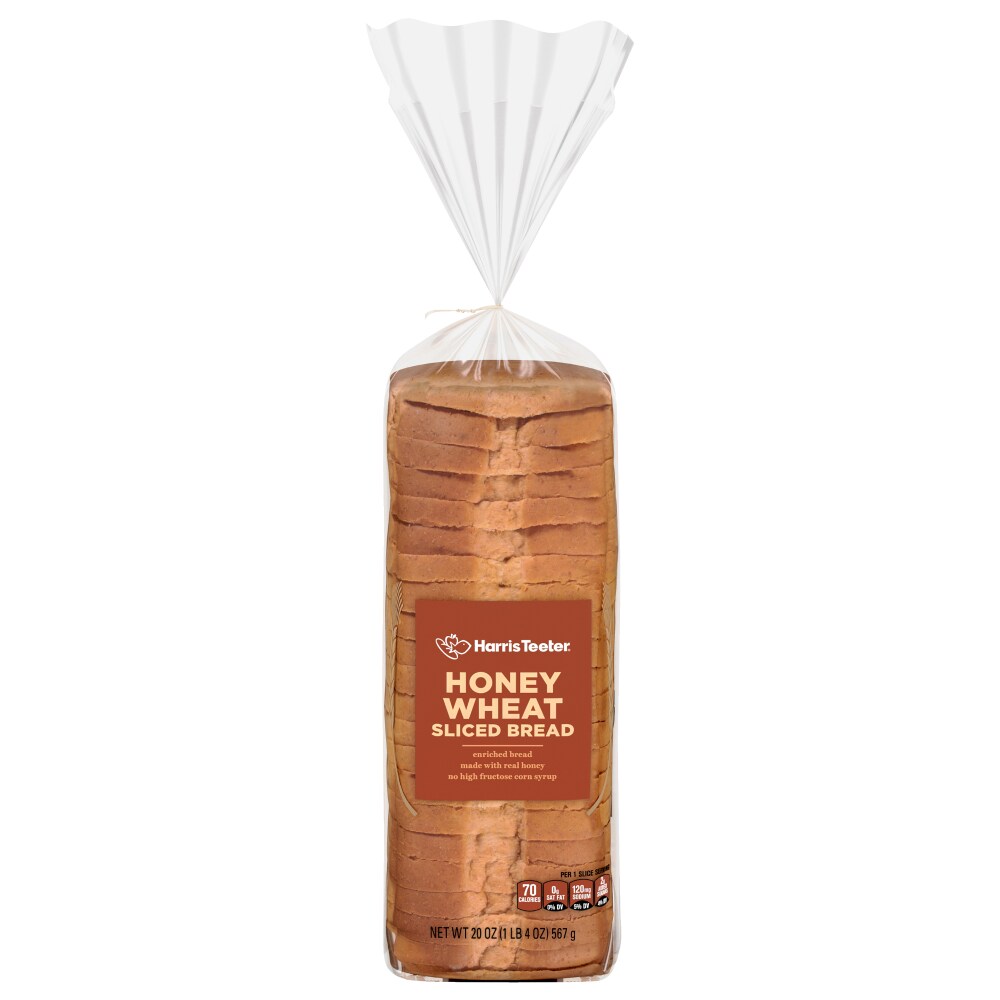
This bread contains a mix of enriched and whole wheat flours, providing some nutritional benefits such as fiber and essential vitamins. However, it also includes added sugar, which can contribute to metabolic issues if consumed in excess. The product is moderately processed, which limits its score, but it avoids major harmful ingredients like seed oils or artificial additives.
Key ingredients 17
NiacinGood
Niacin, also known as vitamin B3, is essential for energy metabolism and DNA repair. It is often added to enriched flours to replace nutrients lost during processing. Niacin supports skin health and nervous system function.
Benefits
Supports energy metabolism and is essential for maintaining healthy skin and nerves.
Thiamin MononitrateGood
Thiamin mononitrate is a form of vitamin B1 added to enriched flours. It is essential for carbohydrate metabolism and nerve function. Thiamin helps convert nutrients into energy.
Benefits
Supports energy metabolism and is crucial for nerve function.
RiboflavinGood
Riboflavin, or vitamin B2, is important for energy production and cellular function. It is added to enriched flours to replace nutrients lost during processing. Riboflavin also supports skin and eye health.
Benefits
Supports energy production and is essential for maintaining healthy skin and eyes.
Whole Wheat FlourGood
Whole wheat flour contains the bran, germ, and endosperm, providing more fiber and nutrients than refined flour. It supports digestive health and provides a more complex flavor. Whole wheat flour is a healthier alternative to refined flour.
Risks
May cause digestive discomfort in individuals with wheat sensitivities.
Benefits
Rich in fiber and nutrients, supporting digestive health and providing a more complex flavor.
HoneyGood
Traditional whole-food sweetener with trace enzymes and antioxidants.
Risks
High sugar content may contribute to blood sugar spikes if consumed in excess.
Benefits
Provides natural sweetness and contains trace amounts of vitamins and minerals.
Wheat BranGood
Wheat bran is the outer layer of the wheat kernel, rich in fiber and nutrients. It supports digestive health and provides a nutty flavor to baked goods. Wheat bran is a beneficial addition to bread for its nutritional content.
Risks
May cause digestive discomfort in some individuals if consumed in large amounts.
Benefits
Rich in fiber, supporting digestive health and adding nutritional value to bread.
Malted Barley FlourNeutral
Malted barley flour is used to enhance flavor and improve the texture of baked goods. It contains enzymes that help break down starches into sugars. This ingredient is typically used in small amounts.
Benefits
Enhances flavor and texture in baked goods, contributing to a better overall product.
Reduced IronNeutral
Standard formulation ingredient — neither beneficial nor harmful at typical use.
Risks
Excessive iron intake can lead to toxicity, but this is rare from dietary sources.
Benefits
Prevents iron deficiency anemia and supports oxygen transport in the body.
Folic AcidNeutral
Standard formulation ingredient — neither beneficial nor harmful at typical use.
Risks
Excessive intake can mask vitamin B12 deficiency, but this is uncommon with normal dietary consumption.
Benefits
Prevents neural tube defects and supports DNA synthesis and cell division.
WaterNeutral
Water is a fundamental ingredient in bread-making, providing moisture and aiding in the mixing process. It is essential for activating yeast and developing gluten. Water is a neutral ingredient with no direct nutritional impact.
Benefits
Essential for dough formation and yeast activation in bread-making.
YeastNeutral
Yeast is a microorganism used in bread-making to leaven dough. It ferments sugars, producing carbon dioxide and alcohol, which cause the dough to rise. Yeast is a natural ingredient with no direct nutritional impact.
Benefits
Essential for leavening bread and contributing to its texture and flavor.
Wheat GlutenNeutral
Wheat gluten is a protein that provides elasticity and structure to bread. It is often added to improve the texture and rise of baked goods. Gluten is a natural component of wheat but can cause issues for those with celiac disease or gluten sensitivity.
Risks
Can cause adverse reactions in individuals with celiac disease or gluten sensitivity.
Benefits
Improves the texture and structure of bread, contributing to its rise and chewiness.
SaltNeutral
Salt is used in bread-making to enhance flavor and control yeast activity. It is a common culinary ingredient with no significant nutritional benefits. Excessive salt intake can contribute to high blood pressure.
Risks
High sodium intake is associated with increased risk of hypertension and cardiovascular disease.
Benefits
Enhances flavor and helps control yeast activity in bread-making.
VinegarNeutral
Vinegar is used in bread-making to enhance flavor and improve dough texture. It is a natural ingredient with no significant nutritional impact. Vinegar can also act as a mild preservative.
Benefits
Enhances flavor and can improve dough texture in bread-making.
Unbleached Enriched FlourBad
Processed additive flagged under Scout's ingredient doctrine.
Risks
May contribute to blood sugar spikes due to its refined nature.
Benefits
Provides essential vitamins and minerals such as iron and B vitamins due to enrichment.
Wheat FlourBad
Refined grain flour stripped of bran and germ.
Risks
May cause blood sugar spikes and lacks fiber compared to whole wheat flour.
Benefits
Provides carbohydrates for energy and is a common ingredient in many baked goods.
SugarBad
Sugar is a refined sweetener that can contribute to weight gain and metabolic issues when consumed in excess. It provides empty calories with no essential nutrients. Excessive sugar intake is linked to various health issues, including obesity and diabetes.
Risks
High sugar intake is associated with increased risk of obesity, diabetes, and heart disease.
Benefits
Provides quick energy but lacks essential nutrients.
Processing
Processed Foods
Get the full breakdown in the Scout appTake Scout shopping
Scan any product to see lab results, healthy alternatives, and your personalized analysis.
Download on theApp Store GET IT ONGoogle Play