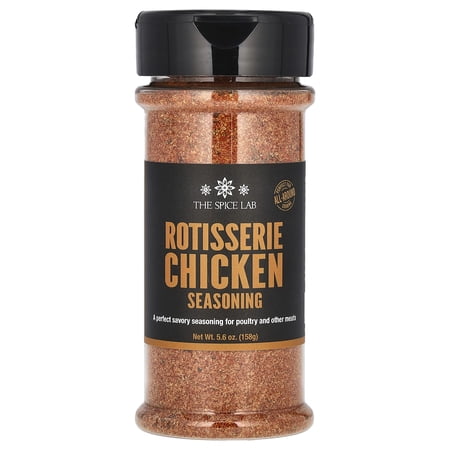
Plain Rotisserie Chicken

At a glance
Summary
The plain rotisserie chicken is a processed food with a relatively simple ingredient list, primarily consisting of chicken, water, and spices. However, the presence of sodium phosphates, a processed additive used to retain moisture, is a concern due to potential health impacts on kidney function and bone health. While the chicken itself is a good source of protein, the processing level and use of additives prevent it from achieving a higher score.
Key ingredients 6
ChickenGood
Chicken is a high-quality source of protein, providing essential amino acids necessary for muscle growth and repair. It is a versatile meat that can be prepared in various healthy ways. When sourced from pasture-raised or organic farms, it offers additional nutritional benefits.
Risks
Potential risks include contamination with bacteria like Salmonella if not cooked properly.
Benefits
Rich in protein and low in carbohydrates, making it a suitable choice for various diets. Provides essential nutrients such as B vitamins and minerals like phosphorus and selenium.
PaprikaGood
Beneficial ingredient — whole-food or functional value in this product class.
Benefits
Contains antioxidants and vitamins, though in small amounts due to typical usage levels.
SpicesGood
Whole-food seasonings, antioxidant-bearing.
Risks
Potential for allergic reactions in sensitive individuals.
Benefits
May provide antioxidants and other beneficial compounds depending on the specific spices used.
WaterNeutral
Water is used in food processing to maintain moisture and texture. It is a neutral ingredient with no direct nutritional impact. Its presence ensures the product remains juicy and palatable.
See more about Water →SaltNeutral
Salt is used to enhance flavor and preserve food. It is a common ingredient in processed foods. While necessary for bodily functions, excessive intake can lead to health issues.
Risks
High sodium intake is associated with increased risk of hypertension and cardiovascular diseases.
Benefits
Provides essential sodium needed for nerve function and fluid balance.
Sodium phosphatesBad
Sodium phosphates are used as emulsifiers and to retain moisture in processed meats. They are highly processed additives that can contribute to an imbalance in dietary phosphorus. Excessive consumption may affect kidney function and bone health.
Risks
May lead to an imbalance in phosphorus levels, potentially impacting kidney function and bone health.
Benefits
Helps maintain moisture and improve texture in processed meats.
Processing
Processed Foods
Get the full breakdown in the Scout appTake Scout shopping
Scan any product to see lab results, healthy alternatives, and your personalized analysis.
Are you Harris Teeter? Fix an error Get the badge Get tested