



At a glance
Summary
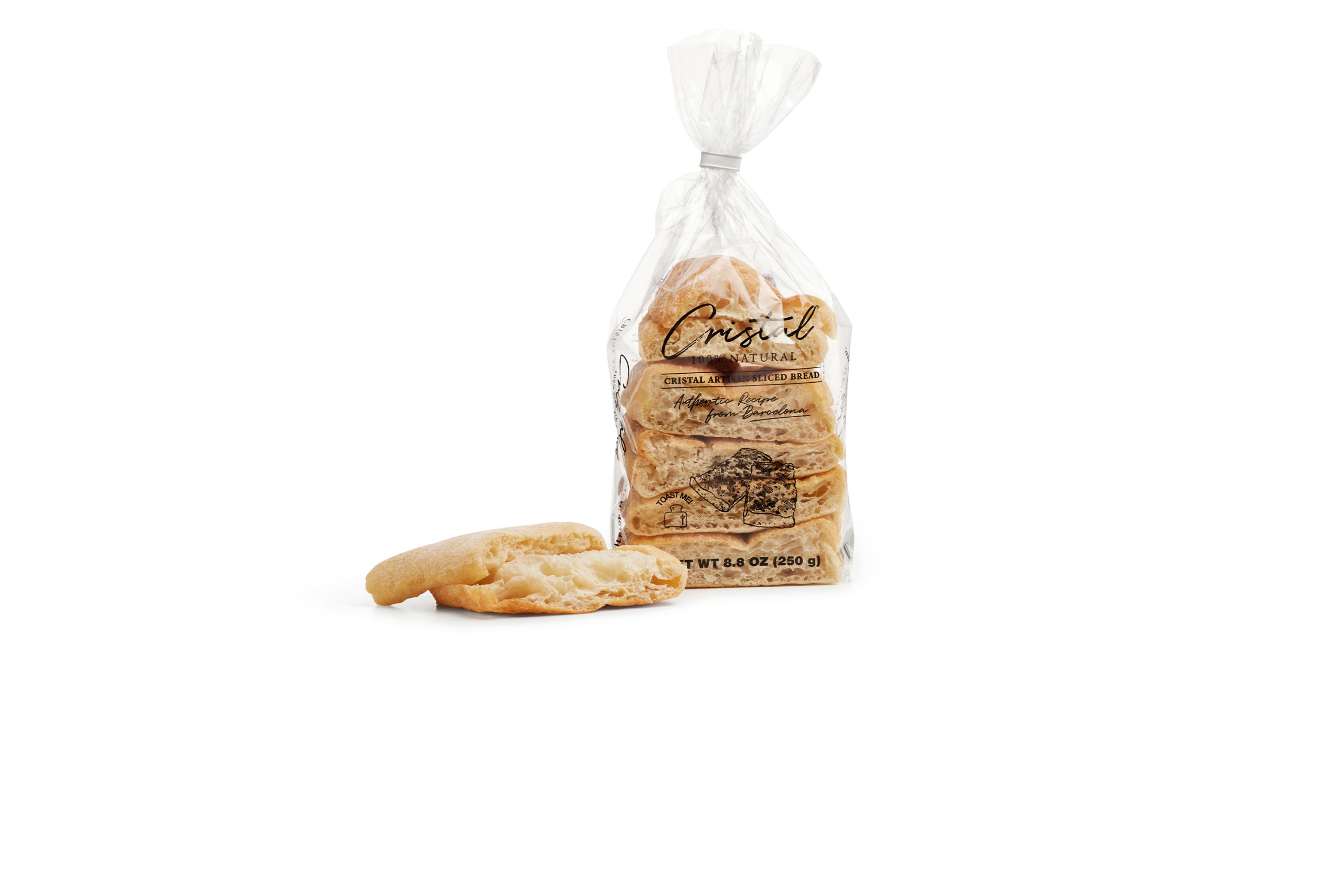
This artisan bread is made with enriched wheat flour and contains a minimal number of additives, which is a positive aspect. However, it is still a processed food with a moderate level of processing, which limits its score. The presence of sourdough fermentation is beneficial, enhancing nutrient absorption and flavor, but the use of enriched flour and the processing level prevent it from achieving a higher rating.
Key ingredients 7
Dried durum wheat sourdoughGood
Sourdough fermentation can improve the digestibility of wheat and enhance nutrient absorption. It contributes to the bread's flavor and texture while potentially lowering the glycemic index. The fermentation process can also increase the availability of beneficial compounds.
Benefits
May improve gut health and nutrient absorption due to fermentation.
Unbromate unbleached enriched wheat flourNeutral
This flour is enriched with vitamins and minerals, which can help replenish nutrients lost during processing. It is unbleached and unbromated, indicating fewer chemical treatments compared to standard flours. However, it is still a refined flour, lacking the fiber and nutrients found in whole grain alternatives.
Risks
Refined flour can contribute to blood sugar spikes and lacks the fiber of whole grains.
Benefits
Enrichment adds essential nutrients like iron and B vitamins, which are beneficial for health.
WaterNeutral
Water is a fundamental ingredient in bread making, providing moisture and aiding in the activation of yeast. It is a natural and essential component with no processing concerns. It serves as a solvent for other ingredients and helps in dough formation.
Benefits
Essential for hydration and dough consistency in bread making.
YeastNeutral
Yeast is a natural leavening agent that helps bread rise by producing carbon dioxide. It is a standard ingredient in bread making with no significant processing concerns. Yeast also contributes to the development of flavor and texture in bread.
Benefits
Essential for leavening and flavor development in bread.
Antioxidant (ascorbic acid)Neutral
Ascorbic acid, also known as vitamin C, is used as an antioxidant to improve dough strength and volume. It is a common additive in bread making with minimal health concerns. It helps maintain the quality and shelf life of the bread.
Benefits
Helps improve dough quality and acts as a preservative.
EnzymesNeutral
Enzymes are used in bread making to improve dough handling and texture. They are naturally occurring proteins that facilitate biochemical reactions. Their use in bread is generally considered safe and beneficial for improving product quality.
Benefits
Enhances dough performance and bread texture.
SaltNeutral
Salt is used in bread to enhance flavor and control yeast activity. It is a common culinary ingredient with no significant processing concerns. While essential for flavor, excessive consumption can lead to health issues.
Risks
Excessive salt intake can contribute to high blood pressure and cardiovascular issues.
Benefits
Enhances flavor and helps control yeast fermentation in bread.
Processing
Processed Foods
Get the full breakdown in the Scout appTake Scout shopping
Scan any product to see lab results, healthy alternatives, and your personalized analysis.
Download on theApp Store GET IT ONGoogle Play