
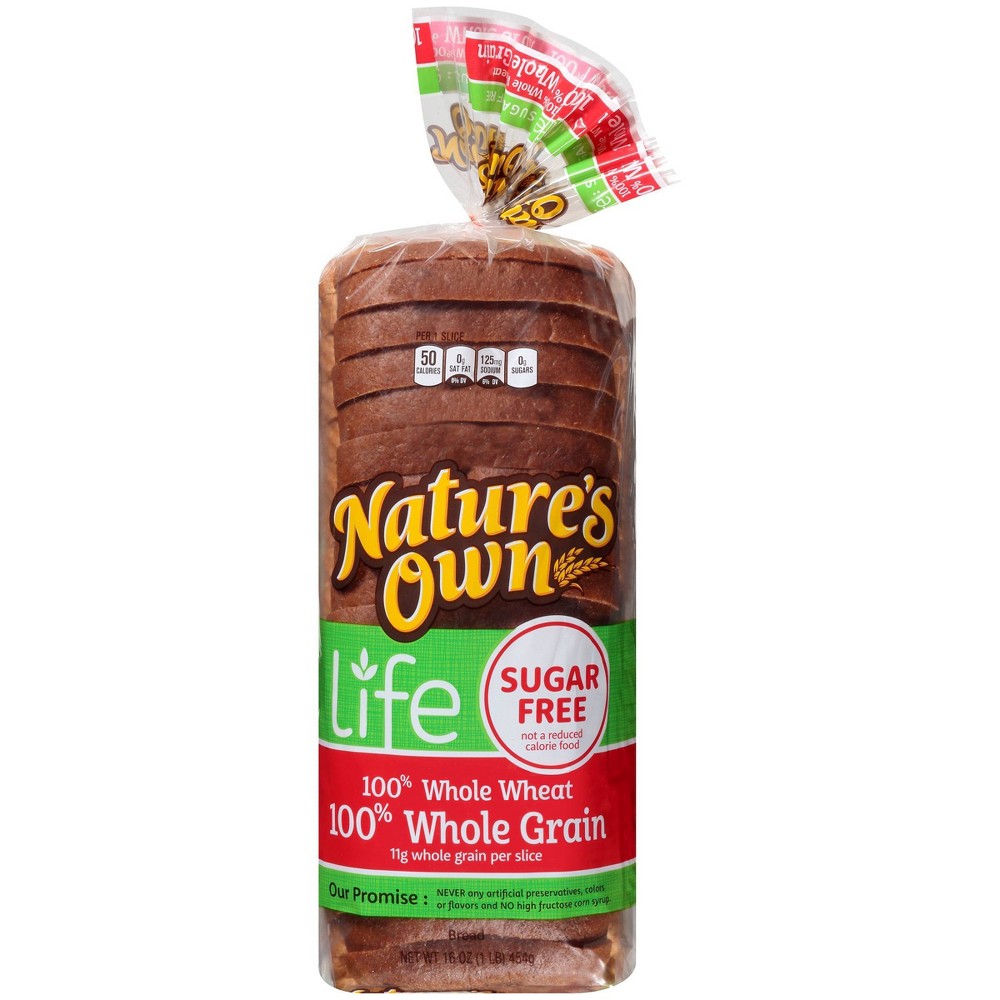
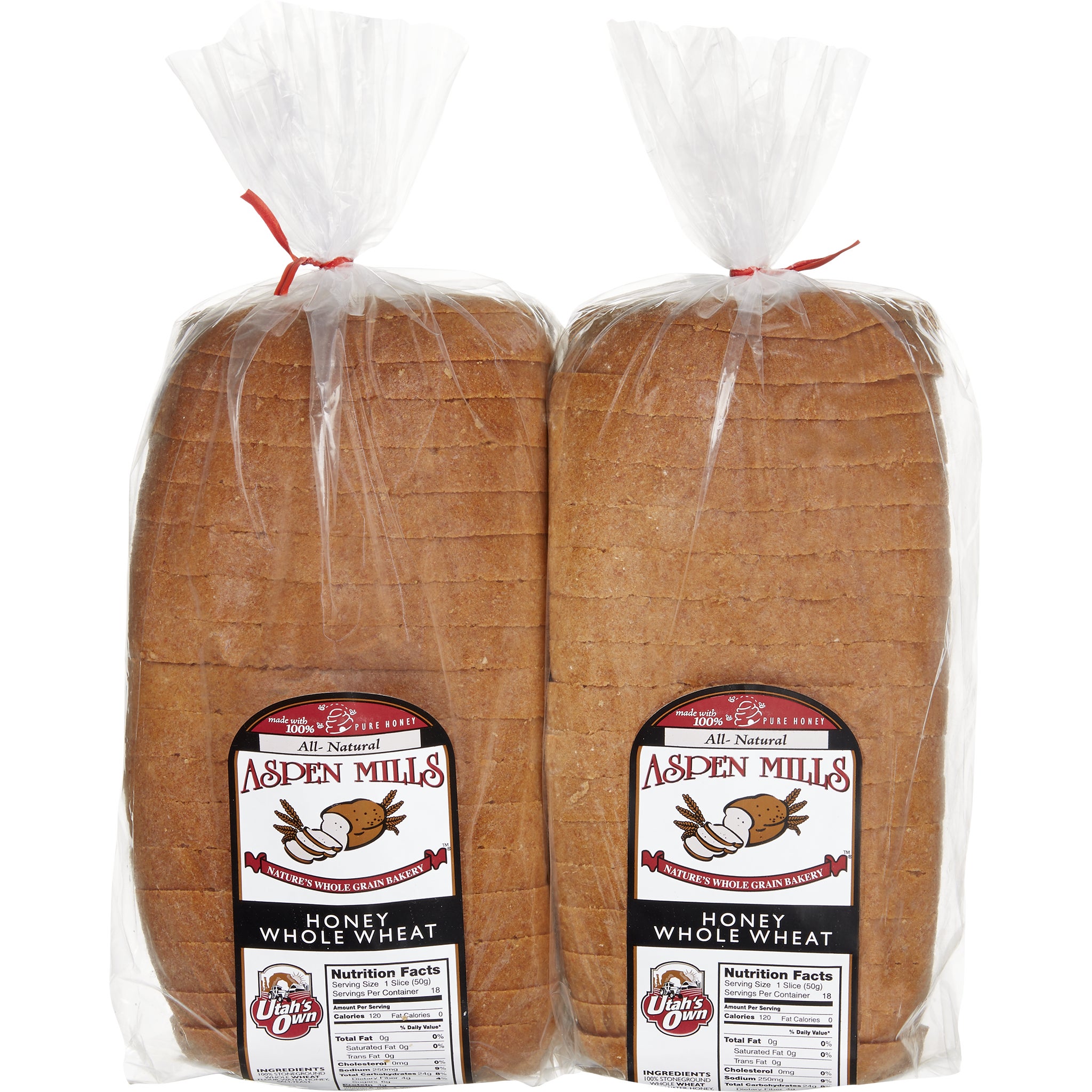


100% WHOLE WHEAT BREAD
Summary
This whole wheat bread contains beneficial ingredients like whole wheat flour and yeast, which provide fiber and nutrients. However, it is classified as ultra-processed due to the presence of additives such as maltitol and soy lecithin, which are used to enhance sweetness and texture. The processing level and inclusion of these additives limit its healthiness compared to less processed bread options.
At a glance
Key ingredients 13
Whole wheat flourGood
Whole wheat flour is a nutrient-dense ingredient providing fiber, vitamins, and minerals. It is less processed than refined flour, retaining the bran and germ. This contributes to better digestive health and sustained energy levels.
Risks
May cause digestive discomfort in individuals with gluten sensitivity or celiac disease.
Benefits
Rich in dietary fiber, which supports digestive health and helps maintain stable blood sugar levels.
WaterNeutral
Water is a fundamental ingredient used to hydrate and bind the dough. It is essential for the baking process but does not contribute significant nutritional value. Its role is primarily functional in the bread-making process.
See more about Water →Wheat glutenNeutral
Wheat gluten is added to improve the elasticity and texture of the bread. It enhances the dough's ability to rise and maintain structure. While beneficial for bread quality, it poses concerns for those with gluten intolerance.
Risks
Can trigger adverse reactions in individuals with gluten intolerance or celiac disease.
Benefits
Improves bread texture and volume, making it more palatable and appealing.
YeastGood
Yeast is a natural leavening agent that ferments sugars to produce carbon dioxide, causing the dough to rise. It contributes to the bread's flavor and texture. Yeast fermentation can also enhance nutrient availability.
Benefits
Enhances bread flavor and texture while potentially improving nutrient absorption through fermentation.
MaltitolBad
Maltitol is a sugar alcohol used as a sweetener, often in reduced-calorie products. It is less caloric than sugar but can cause digestive issues. Its use in bread is primarily to add sweetness without the calories of sugar.
Risks
May cause gastrointestinal discomfort, such as bloating and diarrhea, especially in sensitive individuals.
Benefits
Provides sweetness with fewer calories than traditional sugar, which can be beneficial for calorie-conscious consumers.
ButterNeutral
Butter is used for flavor and texture enhancement in bread. It is a source of saturated fats and cholesterol. In small amounts, it contributes to the bread's richness without significant health risks.
Risks
Contains saturated fats, which should be consumed in moderation to avoid cardiovascular risks.
Benefits
Adds flavor and richness to the bread, enhancing its palatability.
SaltNeutral
Salt is used to enhance flavor and control yeast activity in bread. It is essential for taste but should be consumed in moderation. Excessive salt intake can lead to health issues such as hypertension.
Risks
Excessive consumption can contribute to high blood pressure and cardiovascular issues.
Benefits
Enhances flavor and helps regulate yeast activity during fermentation.
Cultured wheat flourNeutral
Cultured wheat flour is used as a natural preservative to extend shelf life. It is made by fermenting wheat flour with specific cultures. This process can inhibit mold growth without synthetic additives.
Benefits
Acts as a natural preservative, reducing the need for artificial additives.
VinegarNeutral
Vinegar is used in bread as a natural preservative and flavor enhancer. It can help extend shelf life by inhibiting mold growth. Its acidic nature also contributes to the bread's flavor profile.
Benefits
Enhances flavor and acts as a natural preservative, reducing the need for artificial additives.
Monocalcium phosphateNeutral
Monocalcium phosphate is a leavening agent used to help the dough rise. It reacts with baking soda to produce carbon dioxide. It is commonly used in baking for its effectiveness in improving texture.
Benefits
Improves bread texture and volume by acting as an effective leavening agent.
Ascorbic acidNeutral
Ascorbic acid, also known as vitamin C, is used as a dough conditioner to improve bread quality. It strengthens the dough and enhances its elasticity. While beneficial for bread texture, it does not contribute significant nutritional value in this context.
Benefits
Improves dough strength and elasticity, enhancing the overall quality of the bread.
EnzymesNeutral
Enzymes are added to improve dough handling and bread texture. They break down starches and proteins, enhancing fermentation and shelf life. Their use is common in bread-making for quality improvement.
Benefits
Enhances dough handling and bread texture, contributing to a better final product.
Soy lecithinBad
Soy lecithin is an emulsifier used to improve texture and extend shelf life. It is derived from soybeans and can be highly processed. While functional, it may pose concerns for those with soy allergies.
Risks
May cause allergic reactions in individuals sensitive to soy.
Benefits
Improves texture and shelf life by acting as an effective emulsifier.
Processing
Ultra-Processed Foods
Get the full breakdown in the Scout app
Scan any product to see lab results, healthy alternatives, and your personalized analysis.
Download on theApp Store