

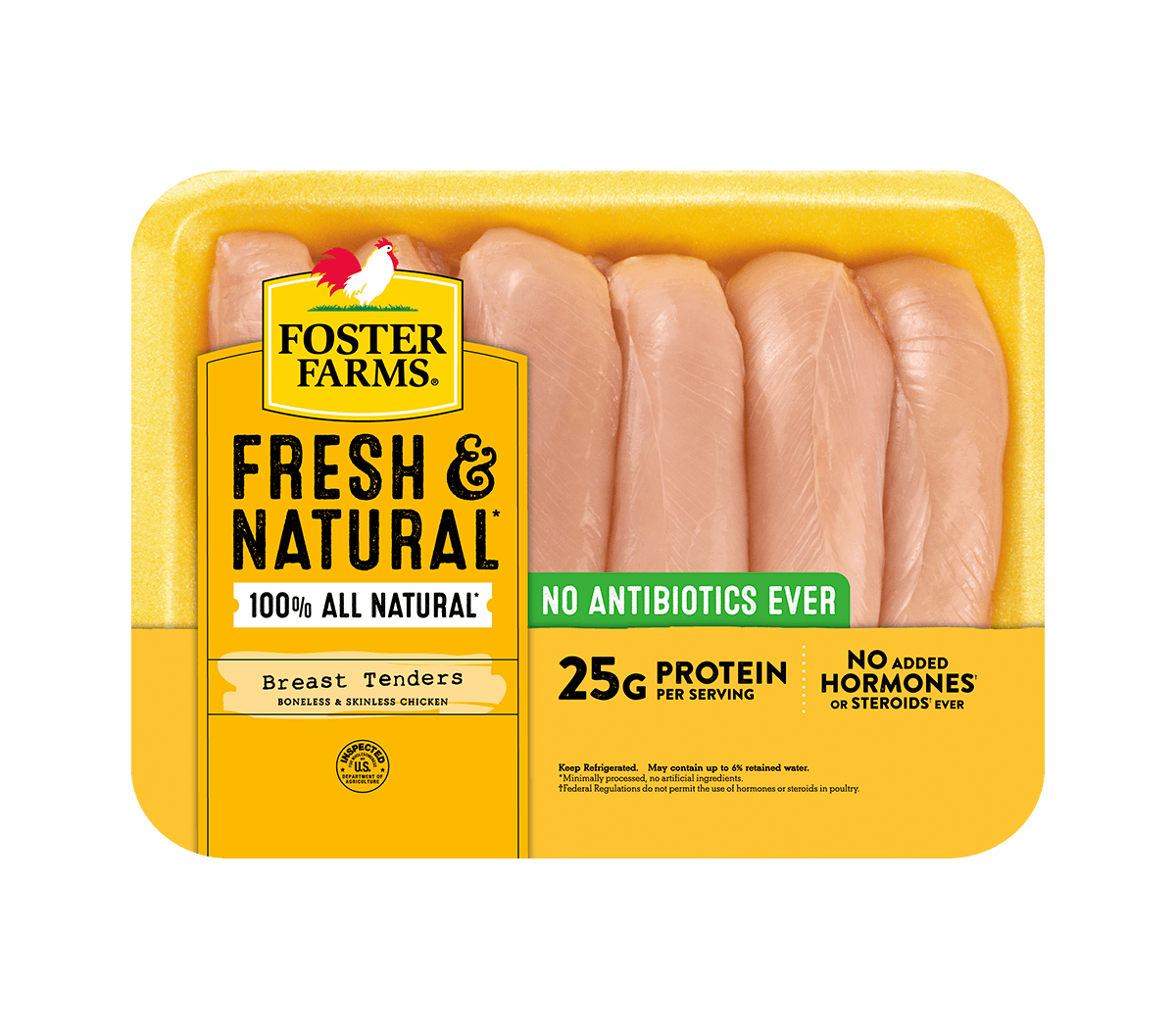
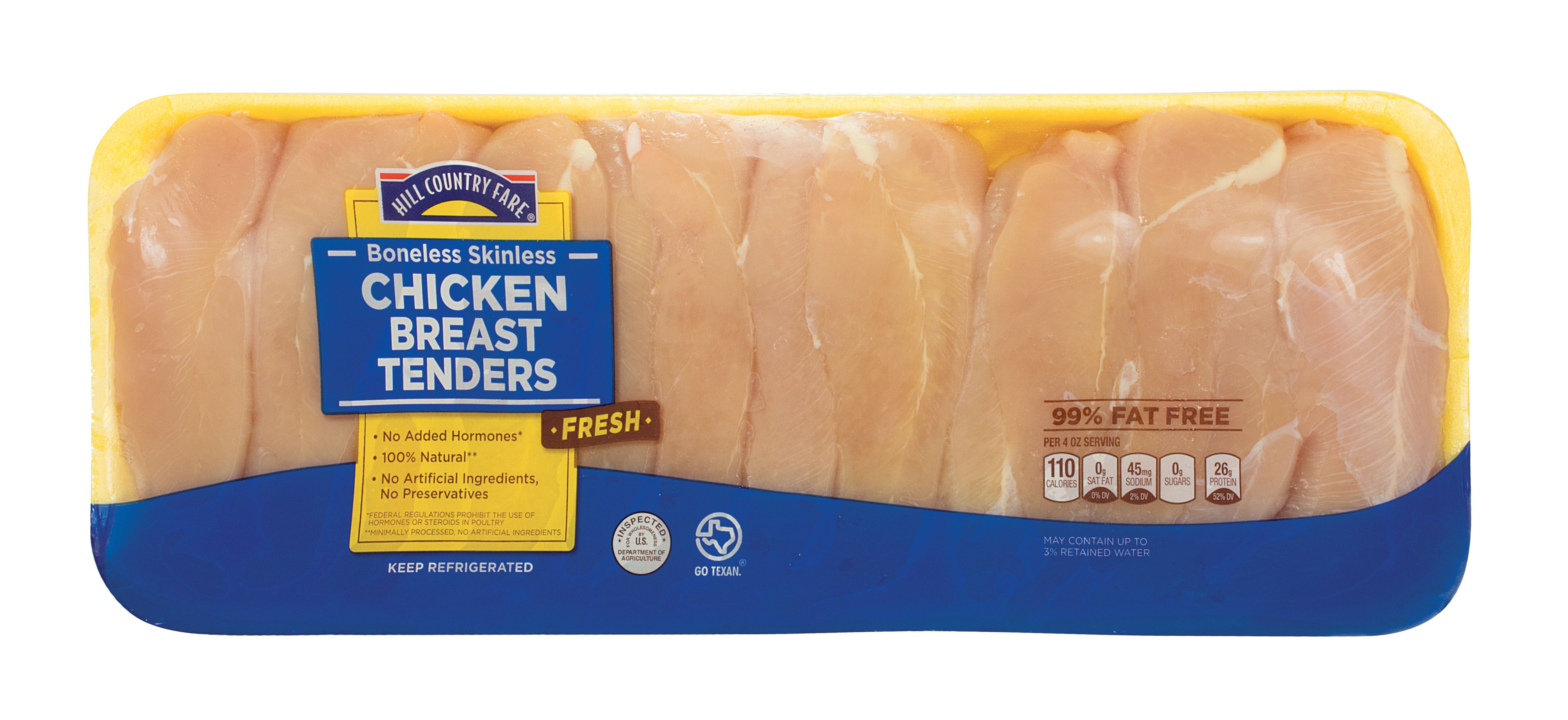


Perdue Farms Incorporated BREADED CHICKEN BREAST TENDERS
Analysis updated August 2026 · How Scout scores
At a glance
Summary
The breaded chicken breast tenders are moderately processed, containing a mix of whole and processed ingredients. While the chicken breast provides a good source of lean protein, the presence of refined flours and added sugars like brown sugar and honey contribute to the processing level. The product avoids major harmful additives, but the combination of ingredients and processing limits its healthiness compared to less processed options.
Key ingredients 16
Boneless chicken breast with rib meatGood
Chicken breast is a high-quality source of lean protein, essential for muscle growth and repair. It provides a complete amino acid profile and is low in fat. The inclusion of rib meat adds flavor and juiciness.
Benefits
Rich in protein and essential nutrients, supporting muscle health and overall nutrition.
HoneyGood
Honey is a natural sweetener with antioxidant properties. It contains trace amounts of vitamins and minerals. It is considered a healthier alternative to refined sugars.
Risks
Excessive consumption may contribute to weight gain and blood sugar spikes.
Benefits
Provides natural sweetness and contains antioxidants.
Garlic powderGood
Concentrated whole-food seasoning.
Benefits
Adds flavor and contains some antioxidants.
White pepperGood
Beneficial ingredient — whole-food or functional value in this product class.
Benefits
Adds flavor and may aid digestion.
SpicesGood
Whole-food seasonings, antioxidant-bearing.
Benefits
Enhances flavor and may provide antioxidants.
WaterNeutral
Water is used as a processing aid and does not contribute significant nutritional value. It helps maintain moisture in the product. It is a neutral ingredient with no direct health impact.
See more about Water →Rice flourNeutral
Rice flour is a gluten-free alternative to wheat flour, often used in breading. It provides a light texture and is easily digestible. It is a neutral ingredient with minimal nutritional impact.
Benefits
Provides a gluten-free option for those with gluten sensitivities.
Yellow corn flourNeutral
Yellow corn flour is used for breading and adds a mild corn flavor. It is a source of carbohydrates and provides a crispy texture. It is a neutral ingredient with limited nutritional benefits.
Benefits
Adds texture and flavor to the product.
Yellow corn mealNeutral
Yellow corn meal is used in breading for texture and flavor. It is a coarse ground corn product that contributes to the crispiness of the coating. It is a neutral ingredient with minimal nutritional impact.
Benefits
Enhances texture and flavor in the breading.
SaltNeutral
Salt is used for seasoning and flavor enhancement. It is a common culinary ingredient that helps preserve food. It is neutral in small amounts but excessive intake can lead to health issues.
Risks
Excessive consumption may contribute to high blood pressure and cardiovascular issues.
Benefits
Enhances flavor and acts as a preservative.
Corn starchNeutral
Corn starch is used as a thickening agent and to improve texture. It is a refined carbohydrate with no significant nutritional value. It is a neutral ingredient with no direct health impact.
Benefits
Improves texture and consistency in food products.
Raisin juice concentrateNeutral
Raisin juice concentrate is used as a natural sweetener and flavor enhancer. It is derived from raisins and contains natural sugars. It is a neutral ingredient with minimal nutritional benefits.
Benefits
Provides natural sweetness and flavor.
Onion powderNeutral
Onion powder is used for flavoring and adds a savory taste. It is made from dehydrated onions and retains some nutritional properties. It is a neutral ingredient with minimal health impact.
Benefits
Adds flavor and contains some antioxidants.
Celery seed extractNeutral
Celery seed extract is used for flavoring and may have antioxidant properties. It is derived from celery seeds and contains natural compounds. It is a neutral ingredient with minimal health impact.
Benefits
Adds flavor and may provide antioxidants.
Brown sugarBad
Processed additive flagged under Scout's ingredient doctrine.
Risks
Excessive consumption may contribute to weight gain and metabolic issues.
Benefits
Adds sweetness and flavor complexity.
Yeast extractBad
Concentrated glutamate source — MSG-adjacent flavor enhancer.
Benefits
Enhances flavor and provides some B vitamins.
Processing
Processed Foods
Get the full breakdown in the Scout appTake Scout shopping
Scan any product to see lab results, healthy alternatives, and your personalized analysis.
Download on theApp Store GET IT ONGoogle Play