
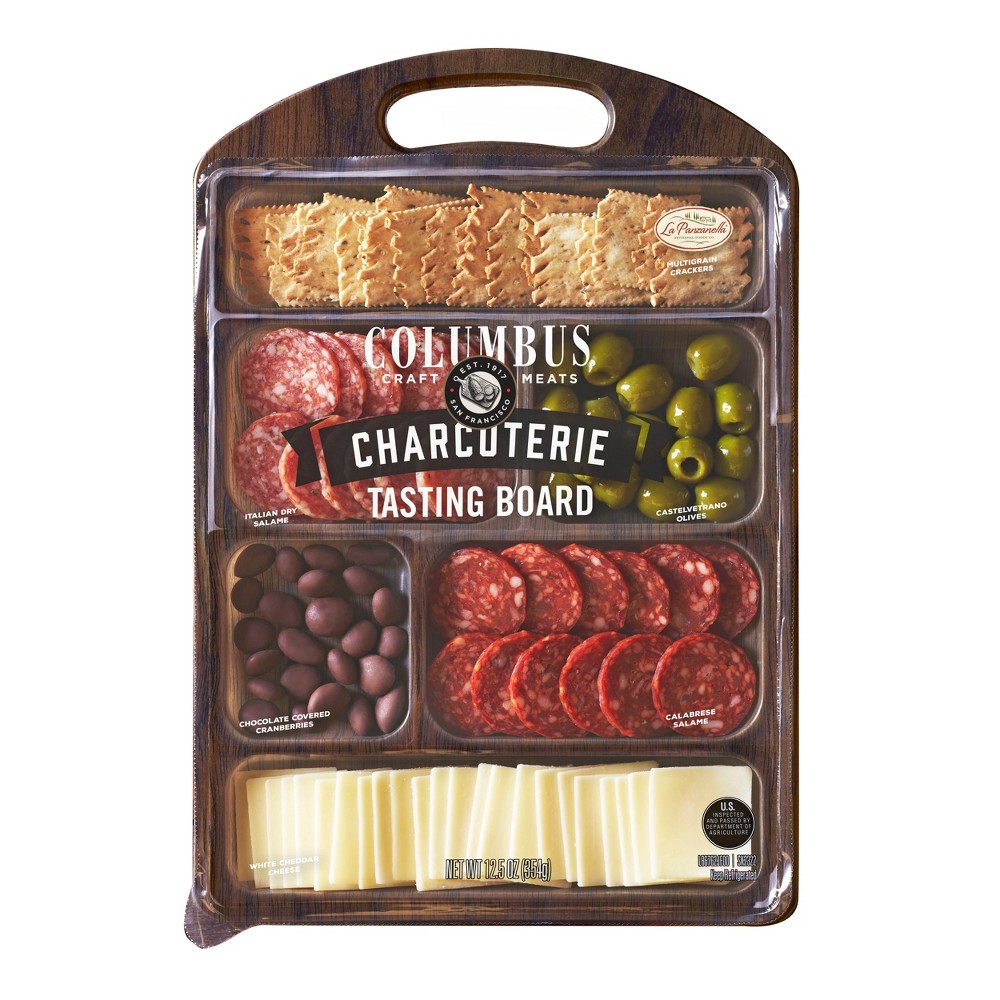

Columbus Charcuterie Tasting Board - 12.5oz
Analysis updated September 2026 · How Scout scores
At a glance
Summary
The Columbus Charcuterie Tasting Board contains a mix of beneficial and harmful ingredients. While it includes high-quality protein sources like pork and nutrient-rich Castelvetrano olives, it also contains processed components such as corn syrup solids and sodium nitrite, which are associated with potential health risks. The presence of expeller-pressed canola oil, a seed oil, further impacts the score negatively due to its high omega-6 content, which can promote inflammation.
Key ingredients 11
PorkGood
Pork is a high-quality source of protein and essential nutrients. It provides a rich amino acid profile beneficial for muscle maintenance and growth. When sourced responsibly, it can be a part of a balanced diet.
Risks
Potential risks include high saturated fat content and the possibility of contamination if not cooked properly.
Benefits
Rich in protein and essential vitamins such as B12 and zinc, supporting overall health and energy levels.
Castelvetrano OlivesGood
Castelvetrano olives are a source of healthy monounsaturated fats and antioxidants. They are minimally processed and retain beneficial nutrients. Their mild flavor and texture make them a popular choice in Mediterranean diets.
Benefits
Rich in monounsaturated fats and antioxidants, supporting heart health and reducing inflammation.
White Cheddar CheeseGood
White cheddar cheese is a good source of calcium and protein. It is made from pasteurized milk and contains beneficial nutrients for bone health. The fermentation process also contributes to its flavor and nutritional profile.
Risks
High in saturated fat and sodium, which may be a concern for heart health if consumed in excess.
Benefits
Provides calcium and protein, supporting bone health and muscle function.
Dark ChocolateGood
Dark chocolate is rich in antioxidants and flavonoids, which can support heart health. It contains less sugar than milk chocolate and provides beneficial compounds. The cocoa content contributes to its health benefits.
Risks
May contain added sugars and fats, which can be a concern if consumed in large quantities.
Benefits
Rich in antioxidants and flavonoids, supporting cardiovascular health and reducing oxidative stress.
SaltNeutral
Salt is used as a preservative and flavor enhancer in many foods. It is essential for maintaining fluid balance and nerve function. However, excessive consumption can lead to health issues such as hypertension.
Risks
High sodium intake is associated with increased blood pressure and cardiovascular risk.
Benefits
Essential for maintaining electrolyte balance and proper muscle function.
Nonfat Dry MilkNeutral
Nonfat dry milk is a source of calcium and protein. It is used to enhance texture and nutritional content in processed foods. It lacks the fat content found in whole milk, which may be beneficial for those monitoring fat intake.
Risks
May cause allergic reactions in individuals with lactose intolerance or milk allergies.
Benefits
Provides calcium and protein, supporting bone health and muscle maintenance.
Sweetened Dried CranberriesNeutral
Sweetened dried cranberries provide some vitamins and fiber but are high in added sugars. They are often used as a sweet snack or ingredient in recipes. The drying process concentrates sugars, which can offset some health benefits.
Risks
High sugar content can contribute to weight gain and dental issues if consumed excessively.
Benefits
Provides some vitamins and fiber, supporting digestive health.
SugarBad
Sugar is a refined carbohydrate that can contribute to weight gain and metabolic issues. It is often added to enhance flavor but provides no essential nutrients. Excessive consumption is linked to increased risk of chronic diseases.
Risks
High intake can lead to obesity, type 2 diabetes, and dental cavities.
Corn Syrup SolidsBad
Corn syrup solids are a processed sweetener similar to sugar. They are used to add sweetness and improve texture in processed foods. High consumption is associated with negative health effects similar to those of sugar.
Risks
May contribute to obesity, insulin resistance, and other metabolic disorders.
Sodium NitriteBad
Sodium nitrite is used as a preservative and color fixative in processed meats. It can form nitrosamines, which are potentially carcinogenic, especially when meats are cooked at high temperatures. Its use is controversial due to potential health risks.
Risks
Linked to an increased risk of cancer when consumed in large amounts over time.
Benefits
Helps prevent bacterial growth and preserves the color of processed meats.
Expeller Pressed Canola OilVery Bad
Canola oil is a seed oil high in omega-6 fatty acids, which can promote inflammation. The expeller-pressed method is a mechanical extraction process, but the oil still retains a high omega-6 content. It is not recommended for regular consumption due to potential health concerns.
Risks
High omega-6 content may promote inflammation when consumed in excess.
Processing
Processed Foods
Get the full breakdown in the Scout appTake Scout shopping
Scan any product to see lab results, healthy alternatives, and your personalized analysis.
Download on theApp Store GET IT ONGoogle PlayAmazon pricing & content
Amazon price as of . Product prices and availability are accurate as of the date/time indicated and are subject to change. Any price and availability information displayed on Amazon.com at the time of purchase will apply to the purchase of this product.
CERTAIN CONTENT THAT APPEARS ON THIS SITE COMES FROM AMAZON. THIS CONTENT IS PROVIDED “AS IS” AND IS SUBJECT TO CHANGE OR REMOVAL AT ANY TIME.