
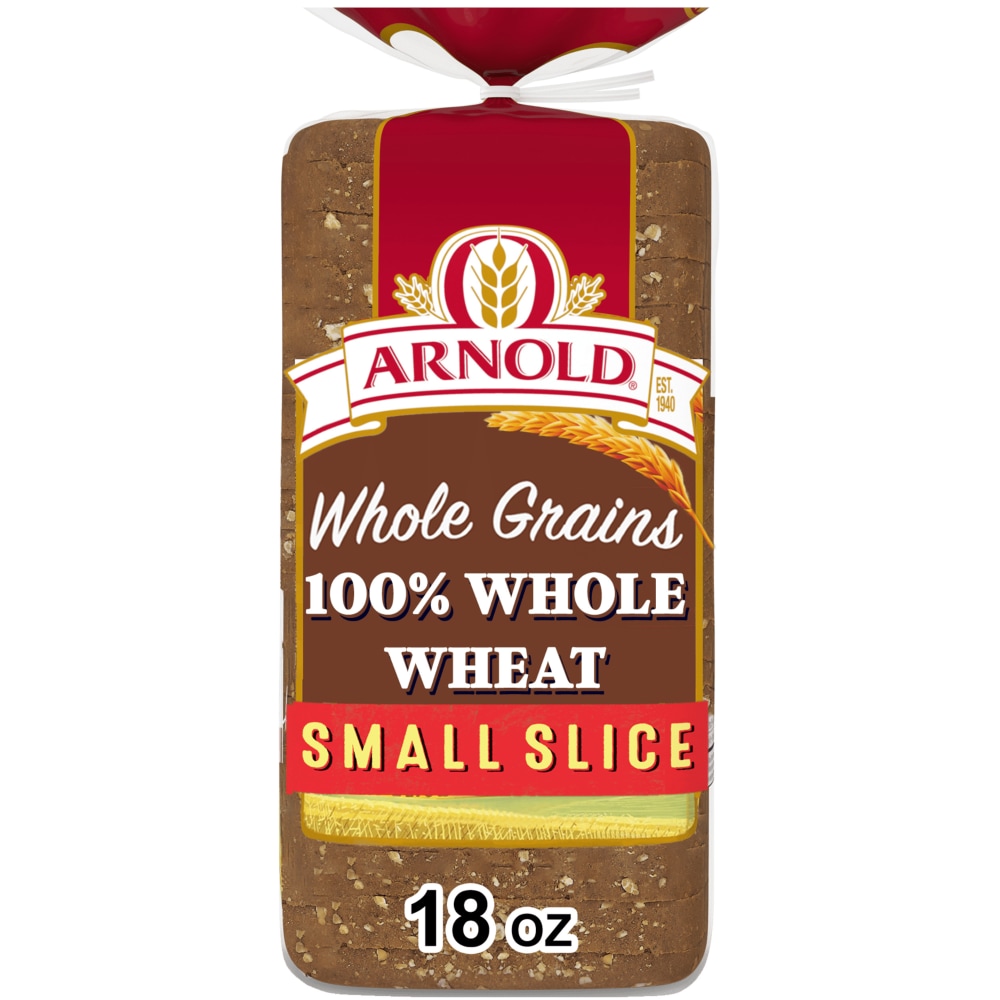

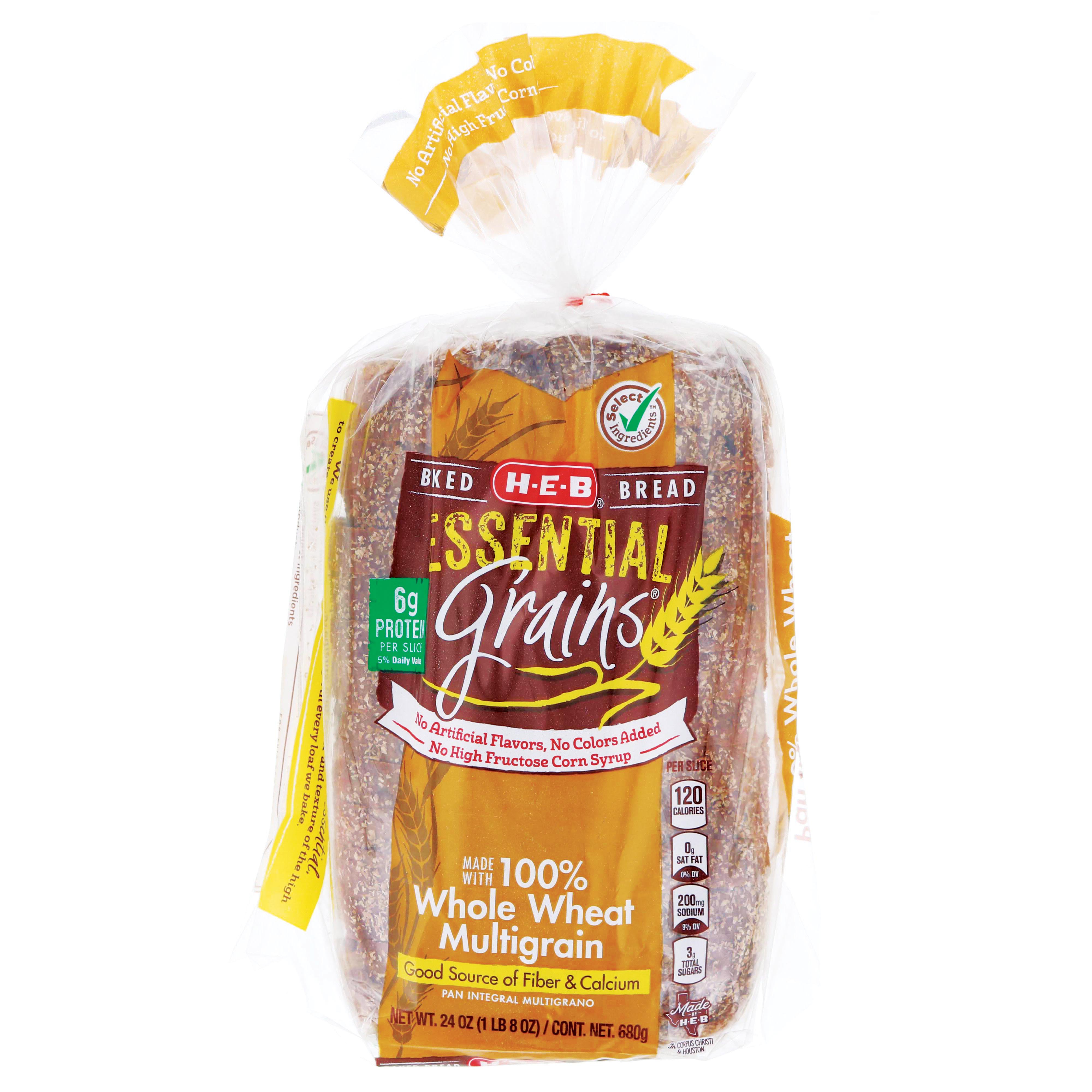


Whole Grains 100% Whole Wheat Small Slice
Summary
This bread contains beneficial whole grains like whole wheat flour and bulgur wheat, which provide fiber and essential nutrients. However, it is heavily processed, containing additives such as soybean oil and natural flavors, which detract from its overall healthiness. The presence of refined sugar and the high level of processing further limit its nutritional quality.
At a glance
Key ingredients 17
Whole wheat flourGood
Whole wheat flour is a source of complex carbohydrates and dietary fiber. It retains the bran and germ, providing essential nutrients like B vitamins and minerals. Compared to refined flour, it offers better nutritional value and supports digestive health.
Risks
May cause allergic reactions in individuals with wheat allergies or gluten intolerance.
Benefits
Rich in dietary fiber, which aids in digestion and helps maintain stable blood sugar levels.
WaterNeutral
Water is a basic ingredient used to hydrate and bind the dough. It does not contribute any calories or nutrients. Its role is primarily functional in the baking process.
See more about Water →Bulgur wheatGood
Bulgur wheat is a whole grain that is partially cooked and dried. It is high in fiber and provides a good source of plant-based protein. Its inclusion enhances the nutritional profile of the bread by adding texture and nutrients.
Risks
May cause allergic reactions in individuals with wheat allergies or gluten intolerance.
Benefits
Provides dietary fiber and protein, supporting digestive health and satiety.
SugarBad
Sugar is a refined carbohydrate that adds sweetness to the bread. It can contribute to increased calorie intake without providing essential nutrients. Excessive consumption is linked to various health issues, including obesity and dental cavities.
Risks
High intake may lead to weight gain, increased risk of type 2 diabetes, and dental problems.
Benefits
Provides quick energy but lacks significant nutritional benefits.
Vegetable oil (soybean)Very Bad
Soybean oil is a seed oil high in omega-6 fatty acids, which can promote inflammation when consumed in excess. It is often highly processed, which may reduce its nutritional quality. Compared to healthier fats, it is less beneficial for heart health.
Risks
High omega-6 content may promote inflammation and is linked to various chronic diseases.
Wheat glutenNeutral
Wheat gluten is added to improve the texture and elasticity of the dough. It is a concentrated source of protein but lacks the complete amino acid profile found in animal proteins. It is essential for bread structure but does not provide additional health benefits.
Risks
May cause allergic reactions in individuals with gluten intolerance or celiac disease.
Benefits
Enhances the texture and structure of bread, providing a chewy consistency.
HoneyNeutral
Honey is a natural sweetener that adds flavor and moisture to the bread. It contains small amounts of vitamins and minerals but is primarily composed of sugars. While more natural than refined sugar, it should still be consumed in moderation.
Risks
Excessive consumption can contribute to weight gain and elevated blood sugar levels.
Benefits
Provides a natural source of sweetness and contains trace amounts of nutrients.
YeastNeutral
Yeast is a microorganism used to ferment the dough, causing it to rise. It contributes to the bread's texture and flavor. It is a natural ingredient with no significant health concerns.
Benefits
Essential for leavening bread, contributing to its texture and flavor.
Whole wheatGood
Whole wheat is a whole grain that retains all parts of the grain kernel. It is rich in fiber, vitamins, and minerals, supporting overall health. Its inclusion in bread enhances nutritional value compared to refined grains.
Risks
May cause allergic reactions in individuals with wheat allergies or gluten intolerance.
Benefits
Provides essential nutrients and fiber, supporting digestive health and reducing the risk of chronic diseases.
Cultured wheat flourNeutral
Cultured wheat flour is treated with natural fermentation to enhance flavor and shelf life. It is similar to regular wheat flour but may offer slight improvements in digestibility. It does not significantly alter the nutritional profile of the bread.
Risks
May cause allergic reactions in individuals with wheat allergies or gluten intolerance.
Benefits
May improve flavor and shelf life without significant nutritional changes.
Sea saltGood
Unrefined sea salt — a minimally processed, natural source of sodium and essential trace minerals, and a legitimate whole-food seasoning. Treated as a positive ingredient.
Risks
Excessive sodium intake can lead to high blood pressure and cardiovascular issues.
Benefits
Enhances flavor and provides trace minerals, though in minimal amounts.
Soy lecithinNeutral
Soy lecithin is an emulsifier that helps blend ingredients and improve texture. It is derived from soybeans and is generally recognized as safe. It does not significantly impact the nutritional value of the bread.
Risks
May cause allergic reactions in individuals with soy allergies.
Benefits
Improves texture and consistency of the bread without significant nutritional impact.
Grain vinegarNeutral
Grain vinegar is used to enhance flavor and act as a preservative. It is made from fermented grains and contains acetic acid. It does not contribute significant nutrients but can improve the bread's shelf life.
Benefits
Enhances flavor and acts as a natural preservative.
Natural flavorsBad
Natural flavors are added to enhance taste but are often vague in origin. They can be derived from various sources and may contain additives. The lack of transparency can be concerning for consumers seeking clean labels.
Risks
Potential allergens or additives may be present without clear labeling.
Citric acidNeutral
Citric acid is used as a preservative and flavor enhancer. It is naturally found in citrus fruits and is generally recognized as safe. It does not provide significant nutritional benefits but helps maintain product freshness.
Benefits
Helps preserve freshness and enhance flavor without significant nutritional impact.
SoyNeutral
Soy is included as a source of protein and emulsification. It is a common allergen and may cause reactions in sensitive individuals. While it provides protein, it lacks the complete amino acid profile of animal-based proteins.
Risks
May cause allergic reactions in individuals with soy allergies.
Benefits
Provides plant-based protein and aids in emulsification.
WheyGood
Whey is a high-quality protein derived from milk, rich in essential amino acids. It supports muscle growth and repair and is easily digestible. Compared to plant-based proteins, it offers a more complete amino acid profile.
Risks
May cause allergic reactions in individuals with milk allergies or lactose intolerance.
Benefits
Supports muscle growth and repair with a complete amino acid profile.
Processing
Ultra-Processed Foods
Get the full breakdown in the Scout app
Scan any product to see lab results, healthy alternatives, and your personalized analysis.
Download on theApp Store