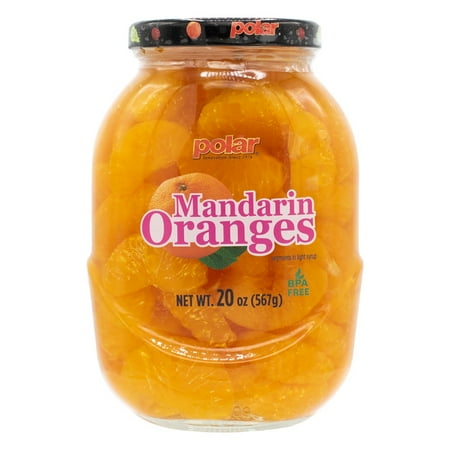
MANDARIN ORANGES
At a glance
Summary
This product contains mandarin oranges, which are a natural source of vitamins and antioxidants, contributing positively to its nutritional profile. However, the addition of refined sugar increases the calorie content without providing nutritional benefits, and the product is processed, which limits its score. The presence of citric acid as an additive is minimal, but the overall processing level and added sugar impact the healthiness of the product.
Key ingredients 5
Mandarin orangeGood
Mandarin oranges are a natural source of vitamins and antioxidants. They provide vitamin C and dietary fiber, which support immune function and digestive health. As a whole fruit, they are minimally processed and retain their nutritional integrity.
Benefits
Rich in vitamin C and antioxidants, which can boost the immune system and reduce inflammation. The fiber content aids in digestion and promotes satiety.
WaterNeutral
Water is used as a medium for preserving the mandarin oranges. It does not contribute any calories or nutrients. Its presence is essential for maintaining the texture and moisture of the canned product.
See more about Water →Citric acidNeutral
Citric acid is a natural preservative and flavor enhancer commonly used in canned foods. It helps maintain the acidity and freshness of the product. As a naturally occurring compound, it is generally recognized as safe.
Benefits
Helps preserve the freshness and flavor of the product by maintaining acidity.
Vitamin CNeutral
Vitamin C is added to enhance the nutritional profile of the product. It is an essential nutrient that supports immune function and skin health. While beneficial, its addition in processed foods is often to compensate for nutrient loss during processing.
Benefits
Supports immune function and acts as an antioxidant, protecting cells from damage.
SugarBad
Refined sugar is added to enhance sweetness but provides empty calories with no nutritional benefits. Excessive consumption of added sugars can lead to health issues such as obesity and diabetes. In processed foods, sugar is often used to improve taste and shelf life.
Risks
High intake of added sugars is linked to increased risk of obesity, type 2 diabetes, and heart disease.
Processing
Processed Foods
Get the full breakdown in the Scout appTake Scout shopping
Scan any product to see lab results, healthy alternatives, and your personalized analysis.