


At a glance
Summary
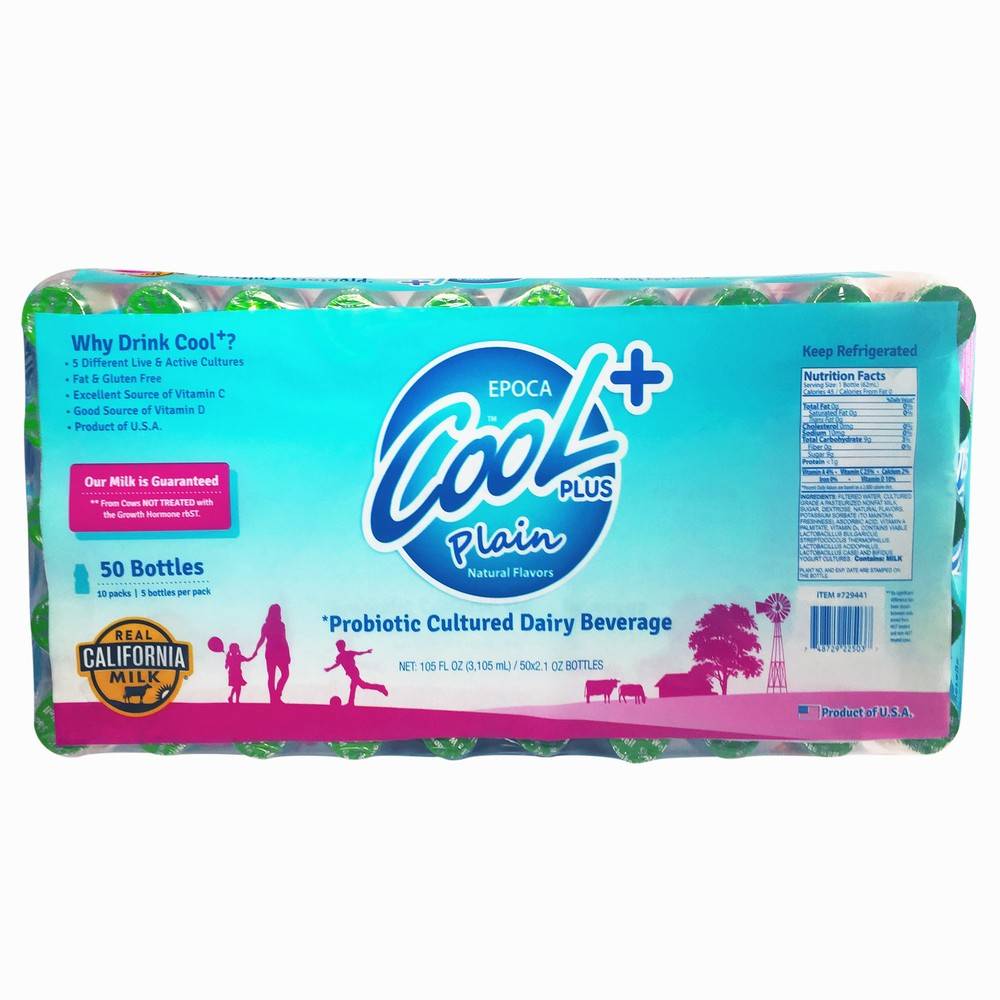
This product contains beneficial probiotics and vitamins, which are positive for gut health and nutrition. However, it is heavily processed and includes added sugars like sugar and dextrose, which contribute empty calories and can lead to health issues if consumed in excess. The presence of potassium sorbate as a preservative and the use of natural flavors further indicate a higher level of processing, limiting its overall healthiness.
Key ingredients 14
Cultured grade A pasteurized nonfat milkGood
Cultured nonfat milk provides beneficial probiotics that support gut health. Pasteurization ensures safety by eliminating harmful bacteria. It is a source of calcium and protein, though lower in fat.
Risks
May not be suitable for individuals with lactose intolerance.
Benefits
Contains probiotics that can improve digestive health and is a good source of calcium.
Ascorbic acidGood
Ascorbic acid, also known as vitamin C, is an antioxidant that supports immune function. It helps in the absorption of iron and the maintenance of healthy skin. It is commonly added to enhance nutritional value.
Benefits
Supports immune health and acts as an antioxidant.
Vitamin D3Good
Vitamin D3 is crucial for calcium absorption and bone health. It is often added to dairy products to enhance nutritional value. It supports immune function and may improve mood.
Risks
Excessive intake can lead to hypercalcemia.
Benefits
Supports bone health and immune function.
Lactobacillus bulgaricusGood
Lactobacillus bulgaricus is a probiotic culture that aids in digestion and gut health. It is commonly used in yogurt production. It can improve lactose digestion and enhance immune response.
Benefits
Promotes gut health and improves digestion.
Streptococcus thermophilusGood
Streptococcus thermophilus is a beneficial bacteria used in yogurt fermentation. It supports digestive health and lactose digestion. It is often paired with other probiotics for enhanced benefits.
Benefits
Aids in digestion and supports gut health.
Lactobacillus acidophilusGood
Lactobacillus acidophilus is a probiotic that supports gut health and immune function. It is commonly found in fermented foods like yogurt. It can help balance intestinal flora and improve digestion.
Benefits
Supports digestive health and boosts immunity.
Lactobacillus caseiGood
Lactobacillus casei is a probiotic strain that aids in digestion and enhances immune function. It is often used in dairy products to improve gut health. It can help alleviate symptoms of lactose intolerance.
Benefits
Promotes a healthy digestive system and supports immune health.
Bifidus yogurt culturesGood
Bifidus cultures are probiotics that support digestive health and enhance nutrient absorption. They are commonly used in yogurt to improve gut flora. They can help reduce gastrointestinal discomfort.
Benefits
Improves gut health and aids in digestion.
Filtered waterNeutral
Filtered water is used as a base ingredient in many food products. It is free from impurities and contaminants, ensuring safety and purity. It does not contribute any significant nutritional value.
See more about Filtered water →Vitamin A palmitateNeutral
Standard formulation ingredient — neither beneficial nor harmful at typical use.
Risks
Excessive intake can lead to hypervitaminosis A.
Benefits
Essential for vision and immune health.
SugarBad
Refined sugar is added for sweetness but contributes empty calories. Excessive consumption can lead to health issues like obesity and diabetes. It lacks nutritional benefits compared to natural sweeteners.
Risks
High intake can increase the risk of obesity, type 2 diabetes, and dental cavities.
DextroseBad
Dextrose is a simple sugar used to enhance sweetness and energy content. It is rapidly absorbed, causing spikes in blood sugar levels. It provides quick energy but lacks essential nutrients.
Risks
May contribute to blood sugar spikes and increased risk of metabolic disorders.
Benefits
Provides a quick source of energy.
Natural flavorsBad
Umbrella term that can hide dozens of undisclosed synthetic constituents.
Risks
Potential allergens may be present, and lack of transparency can be a concern.
Benefits
Enhances the flavor profile of the product.
Potassium sorbateBad
Synthetic preservative — flagged in daily-use products.
Risks
May cause allergic reactions in sensitive individuals.
Benefits
Extends shelf life by preventing spoilage.
Processing
Ultra-Processed Foods
Get the full breakdown in the Scout appTake Scout shopping
Scan any product to see lab results, healthy alternatives, and your personalized analysis.
Download on theApp Store GET IT ONGoogle Play