


At a glance
Summary
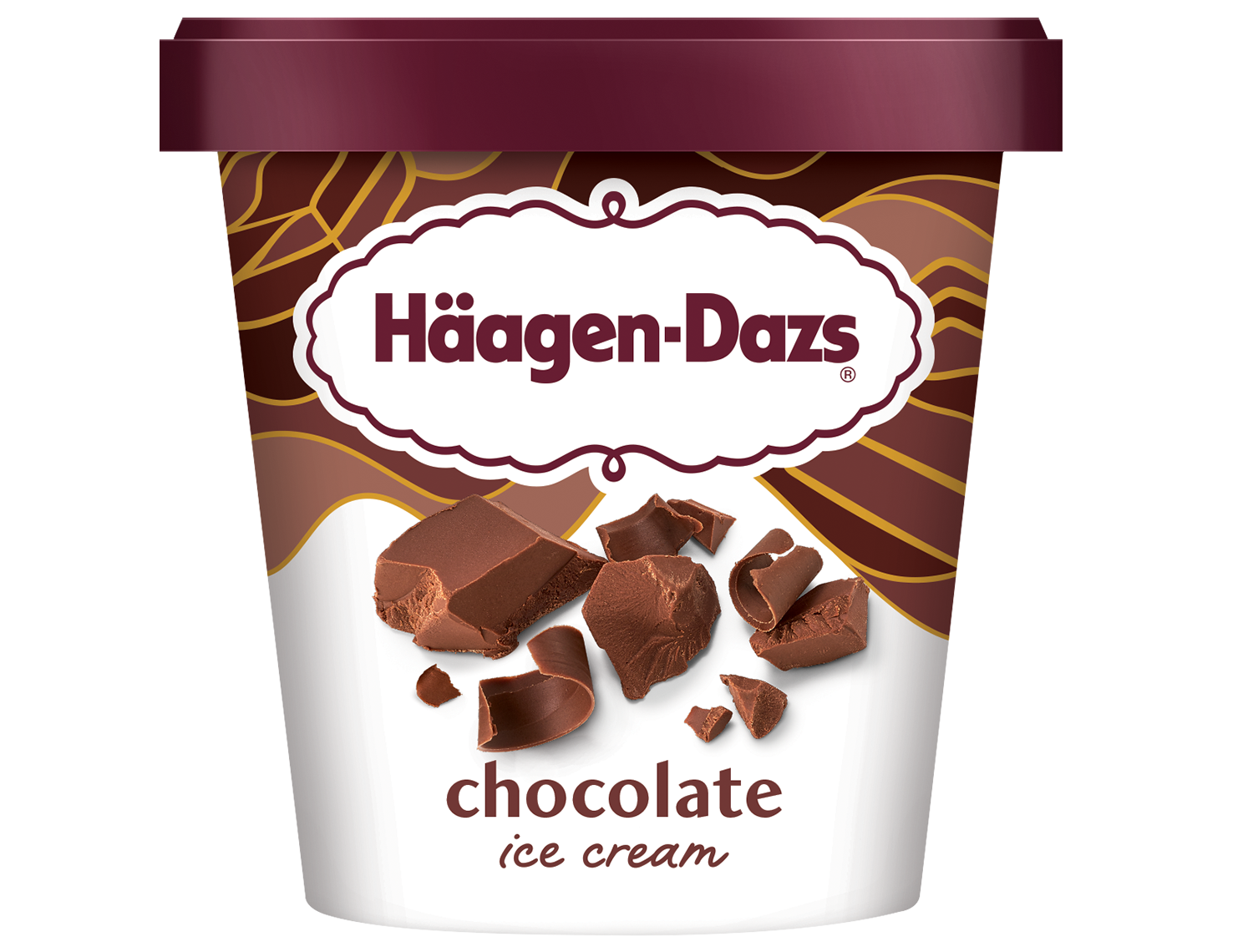
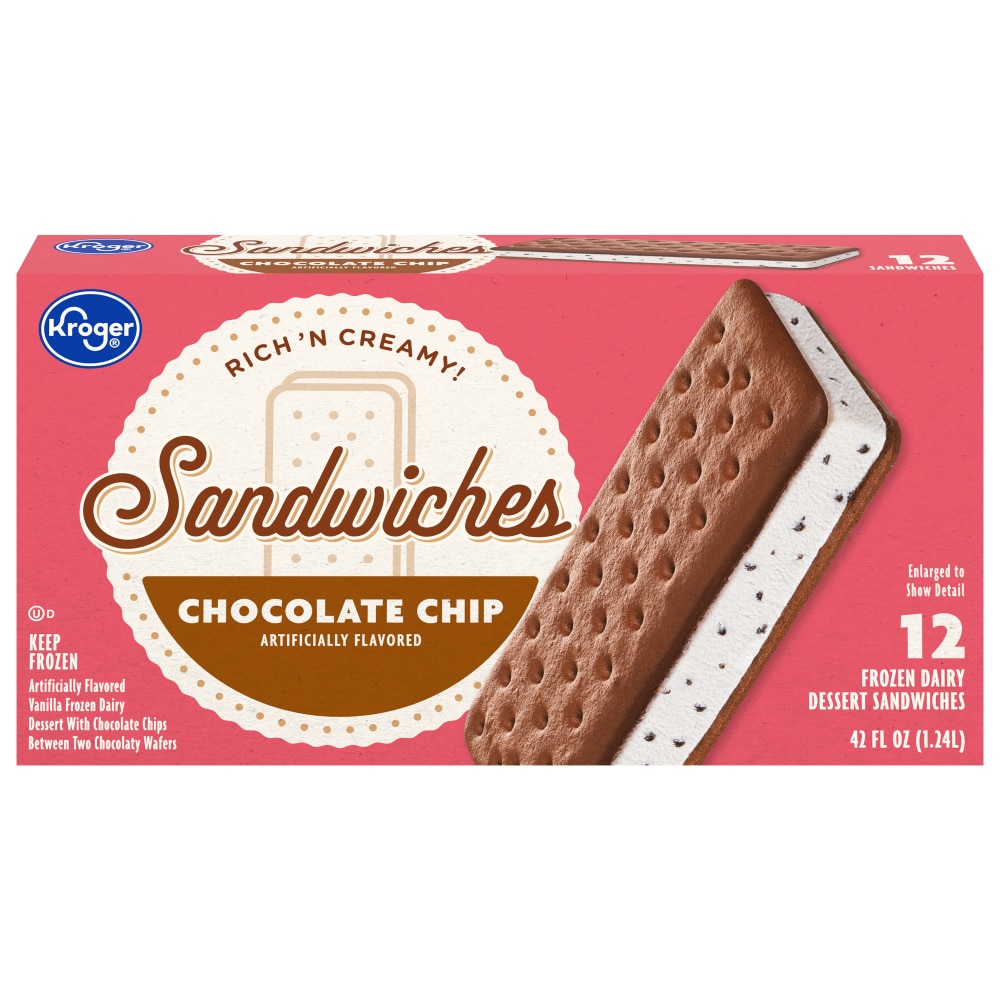
This ice cream contains beneficial ingredients like cream, milk, and organic egg yolks, which provide essential nutrients and healthy fats. However, the presence of refined cane sugar and peppermint candy, which are highly processed and contribute to high sugar content, negatively impacts its healthiness. Additionally, the product is classified as ultra-processed due to its level of processing, which limits its overall score despite some quality ingredients.
Key ingredients 10
CreamGood
Cream is a source of high-quality saturated fats and fat-soluble vitamins. It is minimally processed and provides a rich texture and flavor. When sourced from grass-fed cows, it can be higher in omega-3 fatty acids.
Risks
High in saturated fats, which can contribute to heart disease if consumed in excess.
Benefits
Provides fat-soluble vitamins such as A, D, E, and K, and can be a source of beneficial fatty acids if grass-fed.
MilkGood
Milk is a good source of calcium, protein, and essential vitamins. It is a whole food that supports bone health and muscle function. Pasteurization ensures safety by eliminating harmful bacteria.
Risks
Lactose intolerance can cause digestive issues for some individuals.
Benefits
Rich in calcium and vitamin D, supporting bone health and providing a complete protein source.
Organic egg yolksGood
Egg yolks are rich in vitamins, minerals, and healthy fats. Organic sourcing ensures fewer pesticides and higher nutrient quality. They provide choline, which is important for brain health.
Risks
High cholesterol content may be a concern for some individuals.
Benefits
Rich in essential nutrients like vitamin D, B vitamins, and choline, supporting overall health.
Non fat milk solidsNeutral
Non fat milk solids provide protein and lactose without the fat content of whole milk. They are used to enhance texture and nutritional content. Processing removes fat, which may reduce some nutritional benefits.
Risks
May cause digestive issues in lactose-intolerant individuals.
Benefits
Provides protein and calcium without added fat.
R.r. lochhead vanillaNeutral
Vanilla is used for flavoring and is generally considered safe. It is derived from vanilla beans and can enhance the sensory experience of foods. The quality depends on the extraction process and source.
Benefits
Adds flavor without significant calories or nutrients.
Peppermint oilNeutral
Peppermint oil is used for its flavor and potential digestive benefits. It is a natural extract that can provide a refreshing taste. Quality depends on the extraction method and purity.
Risks
May cause allergic reactions or digestive upset in sensitive individuals.
Benefits
Can aid digestion and provide a refreshing flavor.
Vegetable colorNeutral
Vegetable color is used to enhance the visual appeal of foods. It is derived from natural sources and is generally considered safe. The impact on health is minimal when used in small amounts.
Benefits
Provides color without artificial additives.
Cane sugarBad
Cane sugar is a refined sugar that can contribute to obesity and metabolic disorders. It is highly processed and lacks nutritional value. Excessive consumption can lead to insulin resistance.
Risks
High intake is linked to increased risk of type 2 diabetes and heart disease.
Peppermint candyBad
Peppermint candy contains high levels of refined sugar and artificial flavoring. It is highly processed and offers little nutritional value. The sugar content can contribute to dental issues and weight gain.
Risks
High sugar content can lead to cavities and increased caloric intake.
LecithinBad
Lecithin is used as an emulsifier and is often derived from soy or sunflower. It is highly processed and can contain allergens. While it aids in texture, it offers little nutritional benefit.
Risks
May cause allergic reactions in individuals sensitive to soy or sunflower.
Benefits
Improves texture and consistency in food products.
Processing
Ultra-Processed Foods
Get the full breakdown in the Scout appTake Scout shopping
Scan any product to see lab results, healthy alternatives, and your personalized analysis.
Download on theApp Store GET IT ONGoogle Play