


At a glance
Summary
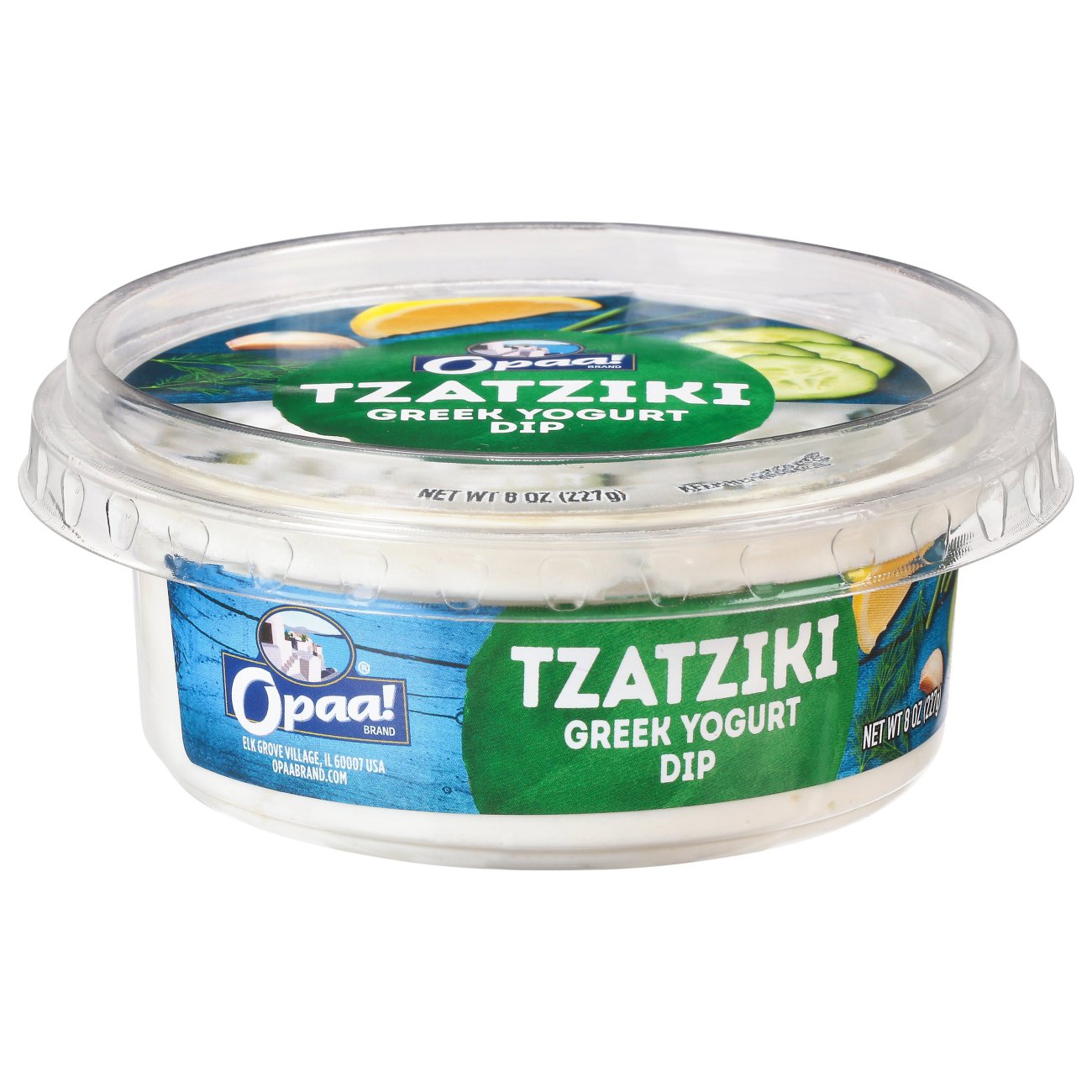
This Greek yogurt dip contains beneficial ingredients like Greek yogurt, cucumber, lemon juice, and olive oil, which contribute to its nutritional value. However, it is classified as ultra-processed due to the presence of additives such as xanthan gum and corn starch, which limits its score. Despite its good macros and healthy components, the level of processing and presence of additives prevent it from achieving a higher rating.
Key ingredients 10
Greek yogurtGood
Greek yogurt is a high-protein dairy product that supports muscle health. It contains probiotics that promote gut health. The use of active yogurt cultures enhances its nutritional profile.
Risks
Some individuals may be lactose intolerant and experience digestive discomfort.
Benefits
Rich in protein and probiotics, which support muscle maintenance and digestive health.
CucumberGood
Cucumber is a low-calorie vegetable that provides hydration and essential nutrients. It is rich in antioxidants and supports skin health. Its high water content aids in hydration.
Benefits
Provides hydration and antioxidants, supporting skin health and overall hydration.
Lemon juiceGood
Lemon juice is a natural source of vitamin C and antioxidants. It enhances flavor and supports immune function. Its acidity can aid in digestion.
Risks
Excessive consumption may erode dental enamel due to its acidity.
Benefits
Rich in vitamin C, supporting immune health and providing antioxidant benefits.
Olive oilGood
Olive oil is a healthy fat rich in monounsaturated fats and antioxidants. It supports heart health and has anti-inflammatory properties. Cold-pressed extraction preserves its beneficial compounds.
Benefits
Supports heart health and provides anti-inflammatory benefits.
SpicesGood
Whole-food seasonings, antioxidant-bearing.
Benefits
May provide beneficial phytochemicals and enhance flavor.
Garlic pureeNeutral
Garlic puree adds flavor and contains allicin, which has potential health benefits. It is often used for its antimicrobial properties. The addition of citric acid as a preservative is common in processed foods.
Risks
May cause digestive discomfort in some individuals.
Benefits
Contains allicin, which may have antimicrobial and cardiovascular benefits.
Cultured sugarNeutral
Cultured sugar is used as a preservative and flavor enhancer. It undergoes fermentation, which can produce beneficial compounds. Its impact on health is minimal in small quantities.
Risks
Excessive sugar consumption can lead to health issues like obesity and diabetes.
Benefits
Provides a mild preservative effect and enhances flavor.
SaltNeutral
Salt is used to enhance flavor and preserve food. It is a common culinary ingredient. Excessive intake can lead to health issues like hypertension.
Risks
High sodium intake is associated with increased blood pressure and cardiovascular risk.
Benefits
Enhances flavor and acts as a preservative.
Xanthan gumNeutral
Xanthan gum is a common food additive used as a thickener and stabilizer. It is produced by fermenting sugars with bacteria. Its impact on health is generally neutral when consumed in moderation.
Risks
May cause digestive issues in sensitive individuals when consumed in large amounts.
Benefits
Improves texture and stability of food products.
Corn starchNeutral
Corn starch is used as a thickening agent in many foods. It is derived from corn and is a common ingredient in processed foods. Its nutritional value is minimal, primarily providing carbohydrates.
Benefits
Provides thickening properties to improve texture.
Processing
Ultra-Processed Foods
Get the full breakdown in the Scout appTake Scout shopping
Scan any product to see lab results, healthy alternatives, and your personalized analysis.
Download on theApp Store GET IT ONGoogle Play