
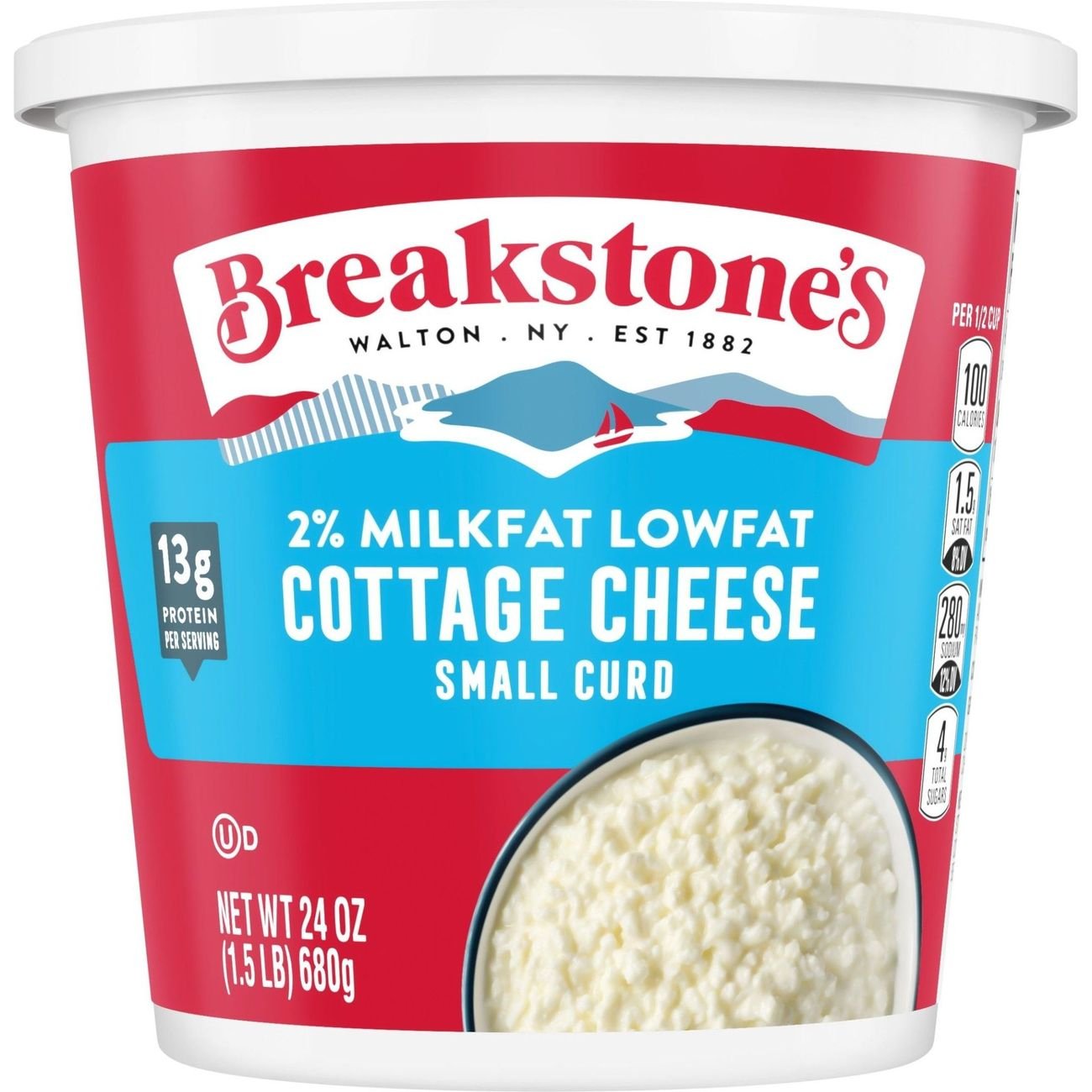


cottage cheese 2% fat
Summary
This cottage cheese is primarily made from cultured skim milk and skim milk, which are beneficial ingredients providing protein and calcium with minimal processing. However, the inclusion of mono and diglycerides as emulsifiers indicates a higher level of processing, which affects the overall healthiness of the product. Despite its good nutritional profile, the ultra-processed nature limits its score potential.
At a glance
Key ingredients 10
Cultured Skim MilkGood
Cultured skim milk is a primary ingredient in cottage cheese, providing a source of protein and calcium. The culturing process enhances digestibility and probiotic content. It is minimally processed, retaining most of its nutritional benefits.
Benefits
Rich in protein and calcium, supporting bone health and muscle maintenance. Contains probiotics that may aid in digestion.
Skim MilkGood
Skim milk is a low-fat dairy product that provides essential nutrients like calcium and protein. It is used in cottage cheese to maintain a lower fat content while delivering nutritional benefits. The processing is minimal, preserving its natural nutrients.
Benefits
Provides calcium and protein, which are essential for bone health and muscle function. Low in fat, making it suitable for low-fat diets.
Whey Protein ConcentrateNeutral
Whey protein concentrate is added to enhance the protein content of the product. It is a byproduct of cheese production and is generally well-tolerated. The processing involves filtration to concentrate the protein content.
Risks
May cause digestive issues in individuals with lactose intolerance.
Benefits
Provides a high-quality source of protein with a complete amino acid profile, supporting muscle growth and repair.
CreamNeutral
Cream is used to add richness and improve the texture of cottage cheese. It is a natural dairy product that contributes to the fat content. The processing is minimal, involving pasteurization to ensure safety.
Risks
High in saturated fat, which may impact heart health if consumed in excess.
Benefits
Adds a creamy texture and flavor, enhancing the sensory qualities of the product.
SaltNeutral
Salt is used as a preservative and flavor enhancer in cottage cheese. It helps to extend shelf life and improve taste. The amount used is typically moderate, balancing flavor and health considerations.
Risks
Excessive salt intake can lead to high blood pressure and other cardiovascular issues.
Benefits
Enhances flavor and acts as a natural preservative, extending the product's shelf life.
Guar GumNeutral
Guar gum is a thickening agent used to improve the texture of cottage cheese. It is derived from guar beans and is considered safe for consumption. The processing involves milling and hydration to achieve the desired consistency.
Risks
May cause digestive discomfort in sensitive individuals when consumed in large amounts.
Benefits
Improves texture and consistency without adding calories or fat.
Mono and DiglyceridesBad
Mono and diglycerides are emulsifiers used to improve texture and prevent separation in dairy products. They are derived from fats and can be highly processed. Their inclusion indicates a higher level of processing in the product.
Risks
May contain trans fats, which are linked to heart disease and other health issues.
Benefits
Helps maintain product consistency and extend shelf life.
Locust Bean GumNeutral
Locust bean gum is a natural thickener derived from carob seeds. It is used to stabilize and thicken dairy products like cottage cheese. The processing is relatively simple, involving milling and hydration.
Risks
Generally considered safe, but excessive consumption may lead to digestive issues.
Benefits
Provides a natural way to enhance texture and stability without significant health risks.
Xanthan GumNeutral
Xanthan gum is a polysaccharide used as a thickening and stabilizing agent in foods. It is produced through fermentation of sugars by bacteria. It is widely used in the food industry for its effective thickening properties.
Risks
May cause digestive issues such as bloating and gas in sensitive individuals.
Benefits
Improves texture and stability of the product, enhancing consumer experience.
Citric AcidNeutral
Citric acid is used as a preservative and flavor enhancer in cottage cheese. It is naturally found in citrus fruits and is produced through fermentation for industrial use. It helps maintain freshness and enhances the tangy flavor of the product.
Risks
Generally recognized as safe, but excessive consumption may lead to tooth enamel erosion.
Benefits
Acts as a natural preservative and enhances flavor, contributing to product stability and taste.
Processing
Ultra-Processed Foods
Get the full breakdown in the Scout app
Scan any product to see lab results, healthy alternatives, and your personalized analysis.
Download on theApp Store