
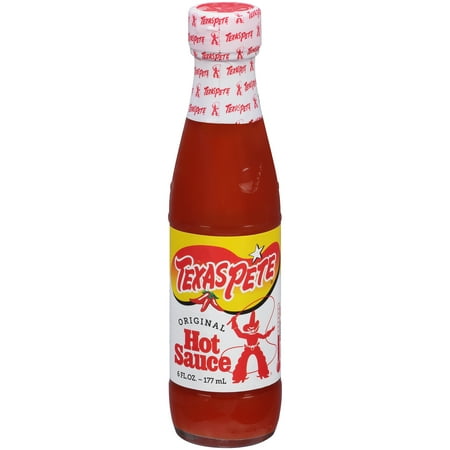


Texas Pete Original Hot Sauce
Analysis updated June 2026 · How Scout scores
At a glance
Summary
This hot sauce is ultra-processed, which limits its potential score. It contains sodium benzoate, a synthetic preservative with potential health concerns, and a high salt content, which can contribute to hypertension if consumed excessively. Despite these issues, the ingredient list is relatively short and lacks artificial colors or sweeteners, which helps mitigate some of the negative aspects.
Key ingredients 5
VinegarNeutral
Vinegar is a common condiment ingredient that adds flavor and acidity without significant health concerns.
See more about Vinegar →Aged peppers (peppers, salt, vinegar)Neutral
Aged peppers provide flavor and spice, contributing to the product's taste profile without major health implications.
WaterNeutral
Water is used as a base to adjust consistency and is a neutral, essential ingredient.
See more about Water →Xanthan gumNeutral
Xanthan gum is a common thickening agent that stabilizes the sauce without affecting health negatively.
See more about Xanthan gum →Benzoate of sodaBad
Benzoate of soda is a preservative that some consumers prefer to avoid due to potential health concerns with long-term exposure.
Processing
Ultra-Processed Foods
Get the full breakdown in the Scout appTake Scout shopping
Scan any product to see lab results, healthy alternatives, and your personalized analysis.
Download on theApp Store GET IT ONGoogle PlayAmazon pricing & content
Amazon price as of . Product prices and availability are accurate as of the date/time indicated and are subject to change. Any price and availability information displayed on Amazon.com at the time of purchase will apply to the purchase of this product.
CERTAIN CONTENT THAT APPEARS ON THIS SITE COMES FROM AMAZON. THIS CONTENT IS PROVIDED “AS IS” AND IS SUBJECT TO CHANGE OR REMOVAL AT ANY TIME.