


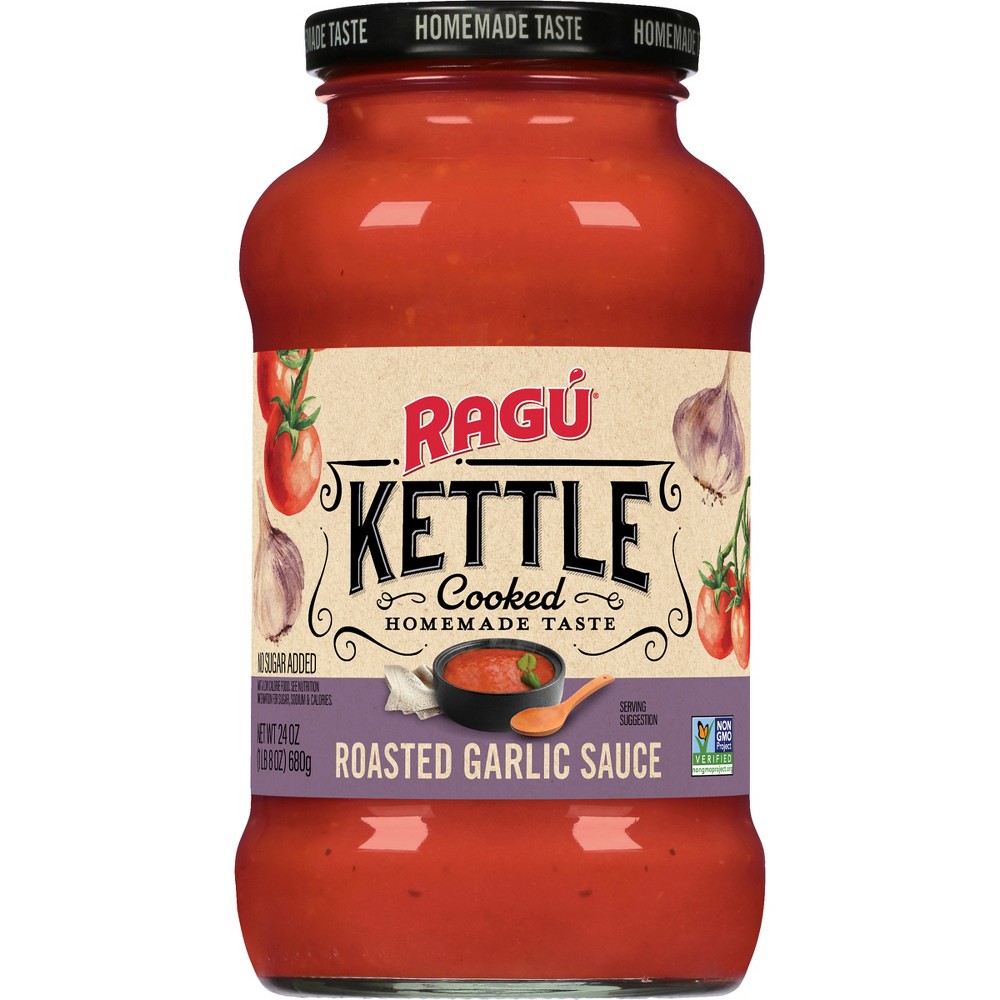
Calabria Spicy Salsiccia Salami Ragu
Analysis updated August 2026 · How Scout scores
At a glance
Summary
This product contains beneficial ingredients like tomatoes and extra virgin olive oil, which are minimally processed and provide health benefits. However, it also includes curing salt with sodium nitrite and dextrose, which are linked to health concerns such as increased cancer risk and metabolic issues. The product is classified as ultra-processed due to the presence of additives and preservatives, which limits its health score despite some positive ingredients.
Key ingredients 8
Extra Virgin Olive OilVery Good
High-quality monounsaturated fat with anti-inflammatory properties. Contains antioxidants that support heart health. Cold-pressed extraction preserves beneficial compounds.
Benefits
Rich in monounsaturated fats that support heart health and provide anti-inflammatory properties. Contains antioxidants like vitamin E and polyphenols that may reduce oxidative stress.
TomatoesGood
Tomatoes are a rich source of vitamins, minerals, and antioxidants like lycopene. They are minimally processed and provide essential nutrients that support overall health. Their natural sugars are balanced by fiber, making them a healthy ingredient.
Benefits
Rich in vitamins C and K, folate, and potassium. Lycopene in tomatoes is linked to reduced risk of heart disease and cancer.
Sea SaltGood
Sea salt is a natural source of sodium and trace minerals. It is less processed than table salt and retains beneficial minerals. Its use enhances flavor without excessive processing.
Risks
Excessive sodium intake can lead to high blood pressure and cardiovascular issues.
Benefits
Contains trace minerals that are beneficial for health and supports electrolyte balance.
Cured Calabrian Pork SausageNeutral
This sausage contains pork, spices, and curing agents, providing protein and flavor. The curing process involves preservatives like sodium nitrite, which can be a concern in high amounts. It offers a traditional flavor profile but should be consumed in moderation.
Risks
Contains sodium nitrite, which in excess may pose health risks such as increased cancer risk.
Benefits
Provides protein and a rich flavor profile from spices like fennel seeds and chili peppers.
Red WineNeutral
Red wine adds depth of flavor and contains antioxidants like resveratrol. It is used in small quantities, minimizing alcohol content in the final product. The presence of sulphites may be a concern for sensitive individuals.
Risks
Contains sulphites, which can cause allergic reactions in sensitive individuals.
Benefits
Provides antioxidants such as resveratrol, which may offer heart health benefits.
Citric AcidNeutral
Citric acid is a natural preservative and acidity regulator. It is commonly used in food processing to enhance flavor and preserve freshness. Generally recognized as safe when used in moderation.
Risks
Excessive consumption may cause tooth enamel erosion.
Benefits
Helps preserve food and enhance flavor without significant health risks.
Curing SaltBad
Curing salt contains sodium nitrite, a preservative linked to health concerns. It is used to preserve and enhance the color of meats. Excessive consumption of nitrites is associated with increased cancer risk.
Risks
High intake of sodium nitrite is linked to an increased risk of certain cancers.
Benefits
Helps preserve meat and prevent bacterial growth, enhancing food safety.
DextroseBad
Dextrose is a simple sugar that can contribute to increased blood sugar levels. It is often used as a sweetener and preservative in processed foods. High consumption of simple sugars is linked to obesity and metabolic issues.
Risks
May contribute to obesity, insulin resistance, and other metabolic disorders when consumed in excess.
Benefits
Provides quick energy but lacks significant nutritional benefits.
Processing
Ultra-Processed Foods
Get the full breakdown in the Scout appTake Scout shopping
Scan any product to see lab results, healthy alternatives, and your personalized analysis.
Download on theApp Store GET IT ONGoogle Play