


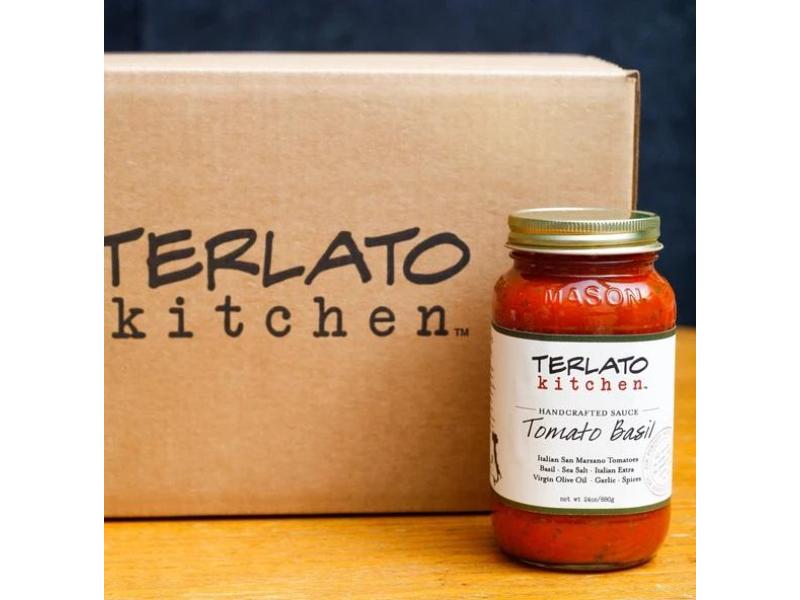

Tomato & Basil Sauce
Analysis updated October 2026 · How Scout scores
At a glance
Summary
This pasta sauce contains beneficial ingredients like tomato puree and extra virgin olive oil, which provide antioxidants and healthy fats. However, the presence of refined sugar and soybean oil, a highly processed seed oil, detracts from its healthiness. The product's processing level and inclusion of these less desirable ingredients result in a moderate score.
Key ingredients 10
Extra virgin olive oilVery Good
Extra virgin olive oil is a high-quality monounsaturated fat with anti-inflammatory properties. It contains antioxidants that support heart health and is extracted through cold-pressing, preserving beneficial compounds. Its use in cooking and dressings is associated with a reduced risk of chronic diseases.
Benefits
Rich in monounsaturated fats that support heart health and provide anti-inflammatory properties.
Tomato pureeGood
Tomato puree is a concentrated source of tomatoes, providing a rich supply of vitamins and antioxidants. It is minimally processed, retaining most of the nutritional benefits of fresh tomatoes. The presence of lycopene, a powerful antioxidant, supports heart health and reduces inflammation.
Benefits
Rich in vitamins A and C, and lycopene, which may reduce the risk of chronic diseases.
Diced tomatoes in tomato juiceGood
Diced tomatoes in tomato juice provide a fresh, natural source of vitamins and antioxidants. They are minimally processed, preserving the nutritional integrity of the tomatoes. The juice enhances the flavor and nutrient profile, offering additional hydration and vitamin C.
Benefits
Provides hydration and essential nutrients like vitamin C and potassium.
SpicesGood
Whole-food seasonings, antioxidant-bearing.
Benefits
May provide antioxidants and enhance flavor without adding calories.
SaltNeutral
Salt is a common seasoning that enhances flavor but provides no essential nutrients beyond sodium. It is refined and lacks the trace minerals found in unrefined salts. Excessive intake can lead to hypertension and cardiovascular issues.
Risks
High sodium intake is associated with increased blood pressure and cardiovascular risk.
Dried onionsNeutral
Dried onions are a dehydrated form of onions, providing flavor without significant nutritional content. They retain some of the beneficial compounds found in fresh onions but in reduced amounts. Their use in cooking enhances flavor without adding calories.
Benefits
Adds flavor and some antioxidants without significant calories.
BasilNeutral
Basil is an herb that adds flavor and aroma to dishes, with some antioxidant properties. It is used in small amounts, contributing minimal nutritional value. Fresh or dried, it enhances the sensory profile of foods.
Benefits
Provides flavor and some antioxidants without significant calories.
Dried garlicNeutral
Dried garlic is a concentrated form of garlic, offering flavor and some health benefits. It retains some of the beneficial compounds found in fresh garlic, such as allicin, which has antimicrobial properties. Its use in cooking enhances flavor and may provide minor health benefits.
Benefits
Adds flavor and may provide antimicrobial benefits.
SugarBad
Refined sugar is a source of empty calories with no essential nutrients. It can contribute to weight gain and increase the risk of metabolic diseases when consumed in excess. Its presence in processed foods is often linked to increased caloric intake and poor dietary quality.
Risks
Excessive consumption can lead to obesity, type 2 diabetes, and dental cavities.
Soybean oilVery Bad
Soybean oil is a seed oil high in omega-6 fatty acids, which can promote inflammation when consumed in excess. It is often highly processed, which may involve chemical solvents and high heat. The imbalance of omega-6 to omega-3 fatty acids in the diet is a concern for heart health.
Risks
High omega-6 content may promote inflammation and increase the risk of chronic diseases.
Processing
Processed Foods
Get the full breakdown in the Scout appTake Scout shopping
Scan any product to see lab results, healthy alternatives, and your personalized analysis.
Download on theApp Store GET IT ONGoogle Play