



At a glance
Summary
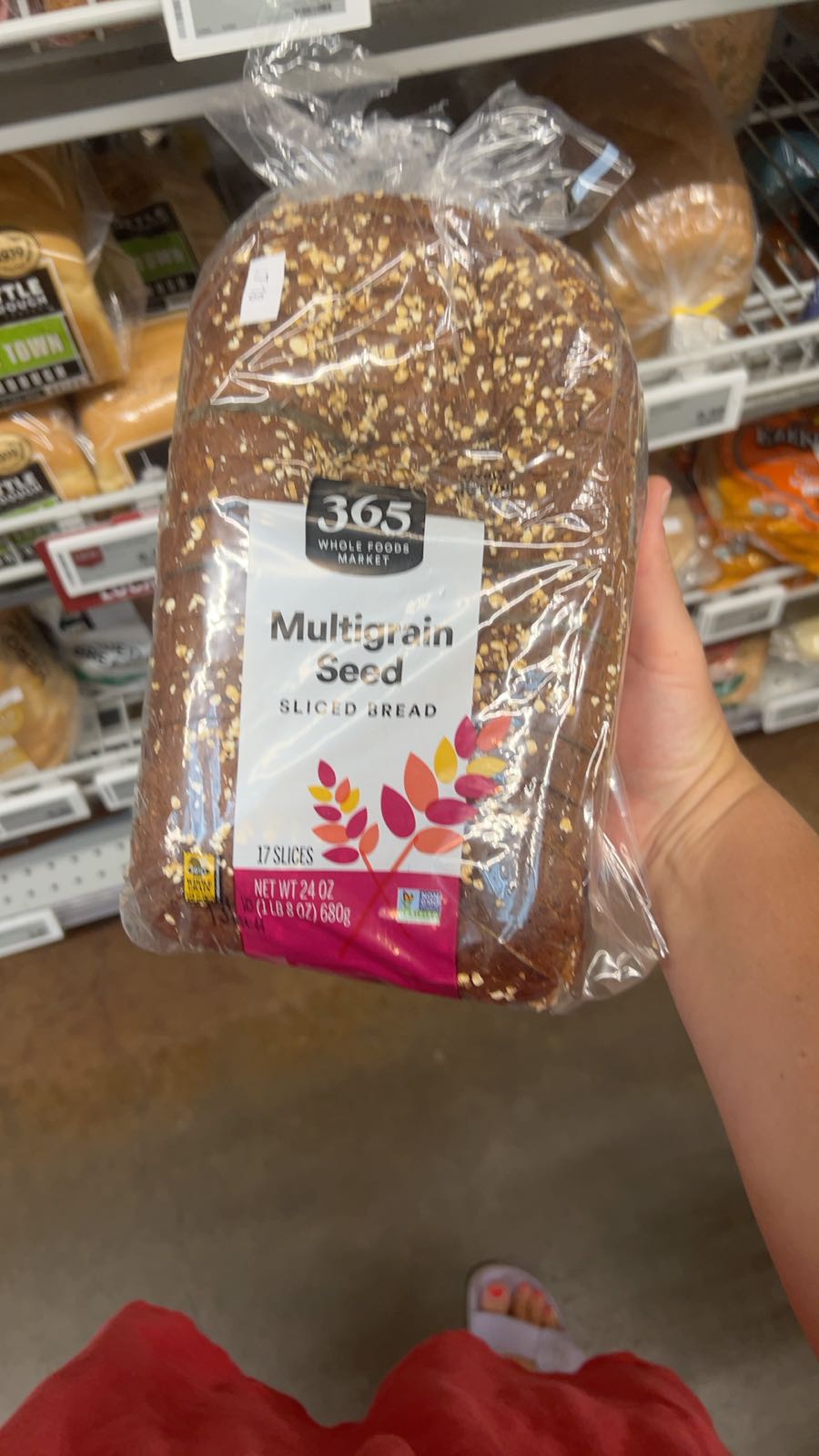
This multigrain bread includes several beneficial whole grain ingredients like whole wheat flour, brown rice, and oats, which contribute to its nutritional value. However, the presence of sugar and soybean oil, a highly processed seed oil, detracts from its healthiness. The bread is moderately processed, which limits its score despite the inclusion of nutritious components.
Key ingredients 12
OatsVery Good
Oats are a whole grain known for their high fiber content and heart health benefits. They contain beta-glucans, which can help lower cholesterol levels. Oats also provide a good source of vitamins and minerals.
Benefits
Rich in beta-glucans, which support heart health and help lower cholesterol levels.
Whole Wheat FlourGood
Whole wheat flour is a good source of dietary fiber and essential nutrients. It is less processed than refined flour, retaining more of the grain's natural vitamins and minerals. This contributes to better digestive health and sustained energy levels.
Benefits
Rich in dietary fiber, which aids in digestion and helps maintain stable blood sugar levels.
Brown RiceGood
Brown rice is a whole grain that provides fiber, vitamins, and minerals. It is less processed than white rice, retaining its nutrient-rich bran and germ. This contributes to better heart health and digestion.
Benefits
Rich in fiber and essential nutrients, supporting heart health and digestion.
CornmealGood
Cornmeal is a whole grain product that adds texture and flavor to bread. It is a source of carbohydrates and provides some vitamins and minerals. Its inclusion enhances the nutritional profile of the bread.
Benefits
Provides carbohydrates and adds a unique texture and flavor to baked goods.
Wheat BranGood
Wheat bran is the outer layer of the wheat kernel, rich in fiber and nutrients. It supports digestive health and can aid in weight management. Its inclusion in bread enhances the overall fiber content.
Benefits
High in dietary fiber, promoting digestive health and aiding in weight management.
Black & White SesameGood
Sesame seeds are a good source of healthy fats, protein, and minerals. They contain antioxidants and have been linked to various health benefits, including improved heart health. Their inclusion adds nutritional value and flavor to the bread.
Risks
May cause allergic reactions in sensitive individuals.
Benefits
Rich in healthy fats and antioxidants, supporting heart health and providing essential nutrients.
WaterNeutral
Water is a neutral ingredient used as a solvent and to provide moisture. It does not contribute any calories or nutrients. Its primary role is to aid in the mixing and baking process.
See more about Water →Wheat GlutenNeutral
Wheat gluten is a protein that provides elasticity and structure to bread. It is a natural component of wheat and is often added to improve texture. While beneficial for bread quality, it can cause issues for those with gluten intolerance.
Risks
May cause adverse reactions in individuals with celiac disease or gluten sensitivity.
Benefits
Improves the texture and elasticity of bread, making it more palatable.
YeastNeutral
Yeast is a microorganism used in baking to leaven bread. It ferments sugars, producing carbon dioxide that helps dough rise. It is a natural ingredient with no significant health concerns.
Benefits
Essential for leavening bread, contributing to its texture and flavor.
Cellulose FiberNeutral
Cellulose fiber is a plant-derived ingredient used to increase fiber content. It is not digestible by humans but aids in adding bulk to the diet. It is commonly used in processed foods to improve texture.
Benefits
Adds bulk to the diet, aiding in digestion and promoting a feeling of fullness.
SugarBad
Sugar is a refined carbohydrate that can contribute to increased blood sugar levels. Excessive consumption is linked to various health issues such as obesity and diabetes. It is often used to enhance flavor and aid in yeast fermentation.
Risks
High intake of sugar can lead to weight gain, insulin resistance, and dental cavities.
Benefits
Provides quick energy and enhances the flavor profile of baked goods.
Soybean OilVery Bad
Soybean oil is a seed oil high in omega-6 fatty acids, which can promote inflammation. It is often highly processed and refined, which can reduce its nutritional quality. Its use in foods is controversial due to potential health impacts.
Risks
High omega-6 content may promote inflammation when consumed in excess.
Processing
Processed Foods
Get the full breakdown in the Scout appTake Scout shopping
Scan any product to see lab results, healthy alternatives, and your personalized analysis.
Download on theApp Store GET IT ONGoogle Play