
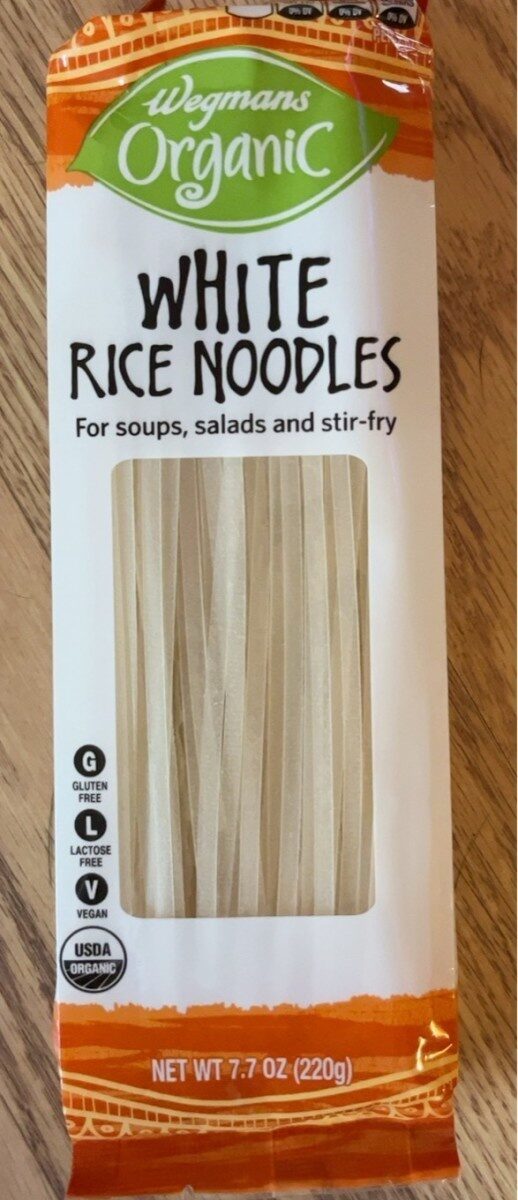



At a glance
Summary
This product consists of simple ingredients like rice, rice starch, water, and salt, which are generally considered clean and free from harmful additives. However, it is a processed food, which limits its score potential. The lack of whole grain content and minimal fiber also slightly detract from its nutritional profile.
Key ingredients 4
RiceNeutral
Rice is a staple carbohydrate source that provides energy. It is minimally processed but lacks significant micronutrients. As a refined grain, it does not offer the fiber or nutrients found in whole grains.
Benefits
Provides a source of carbohydrates for energy. Easily digestible and suitable for gluten-free diets.
Rice StarchNeutral
Rice starch is used as a thickening agent and provides a smooth texture. It is derived from rice and is generally considered safe. However, it does not contribute significant nutritional value.
Benefits
Helps improve texture and consistency in food products. Suitable for gluten-free formulations.
WaterNeutral
Water is a fundamental ingredient used in food processing. It is essential for hydration and does not contribute calories or nutrients. Its role is primarily functional in the preparation of noodles.
Benefits
Essential for hydration and acts as a solvent in food processing.
SaltNeutral
Salt is used to enhance flavor and preserve food. It is a common culinary ingredient but should be consumed in moderation due to potential health impacts. Excessive intake can lead to hypertension and cardiovascular issues.
Risks
High sodium intake may contribute to hypertension and cardiovascular diseases.
Benefits
Enhances flavor and acts as a preservative in food products.
Processing
Processed Foods
Get the full breakdown in the Scout appTake Scout shopping
Scan any product to see lab results, healthy alternatives, and your personalized analysis.
Download on theApp Store GET IT ONGoogle Play