




Near you
Wegmans is carried at Wegmans stores. Find one within 25 miles.
At a glance
Summary
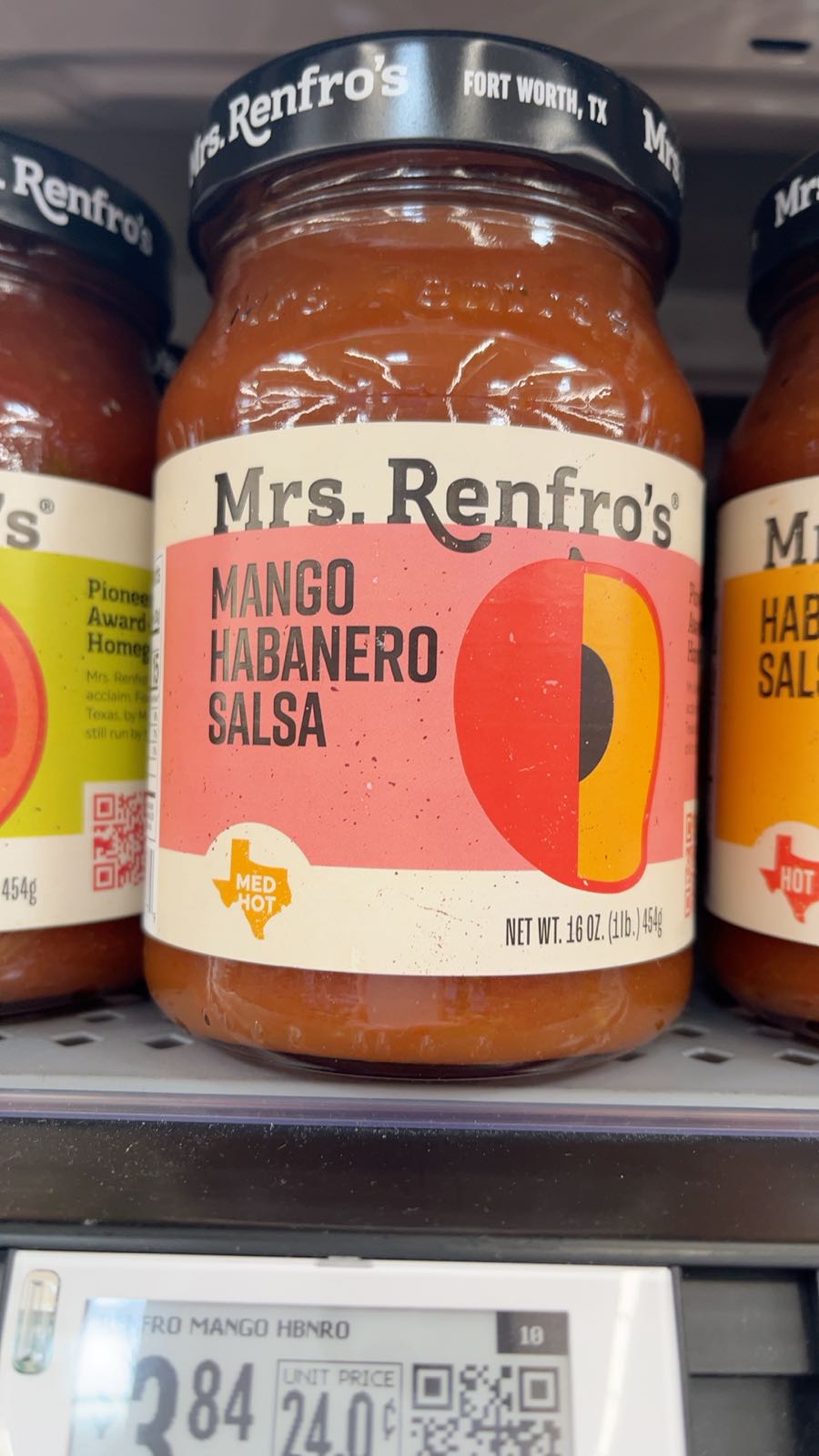
This salsa contains beneficial ingredients like diced tomatoes, tomato purée, and red bell peppers, which provide vitamins and antioxidants. However, it is considered ultra-processed due to the inclusion of refined sugars and natural flavors, which are highly processed and lack transparency. The presence of these ingredients, along with the overall processing level, limits its healthiness despite some nutritious components.
Key ingredients 14
Diced Tomatoes in Tomato JuiceGood
Diced tomatoes are a source of vitamins A and C, and lycopene, an antioxidant. The processing method retains most of the nutritional benefits of fresh tomatoes. They provide a base flavor and nutritional value to the salsa.
Benefits
Rich in antioxidants like lycopene, which may reduce the risk of chronic diseases. Provides essential vitamins and minerals.
Tomato PuréeGood
Tomato purée is made from cooked and strained tomatoes, providing a concentrated source of nutrients. It is rich in vitamins A and C and antioxidants like lycopene. The purée adds depth of flavor and nutritional benefits to the salsa.
Benefits
Contains antioxidants that may help reduce inflammation and support heart health. Provides essential vitamins and minerals.
Red Bell PeppersGood
Red bell peppers are rich in vitamins A and C and antioxidants, contributing to the nutritional profile of the salsa. They add sweetness and color without adding significant calories. The peppers are minimally processed, retaining most of their nutrients.
Benefits
High in antioxidants and vitamins that support immune health and reduce inflammation.
Mangos in SyrupNeutral
Mangos in syrup provide natural sweetness and a tropical flavor to the salsa. The added sugar in the syrup increases the calorie content without additional nutritional benefits. While mangos are nutritious, the syrup reduces their overall health value.
Risks
High sugar content from the syrup may contribute to increased calorie intake and potential blood sugar spikes.
Benefits
Mangos are a source of vitamins A and C and dietary fiber, which support immune function and digestion.
Habanero PeppersNeutral
Habanero peppers add heat and flavor to the salsa, containing capsaicin, which may have metabolic benefits. They are used in small amounts due to their intense spiciness. While they provide some vitamins, their primary role is flavor enhancement.
Risks
Can cause irritation to the digestive tract and skin in sensitive individuals.
Benefits
Capsaicin in habanero peppers may boost metabolism and provide anti-inflammatory effects.
Jalapeño PeppersNeutral
Jalapeño peppers add moderate heat and flavor, containing capsaicin, which may have health benefits. They are used in small quantities to enhance the salsa's spiciness. While they provide some vitamins, their primary role is flavor enhancement.
Risks
May cause digestive discomfort in sensitive individuals.
Benefits
Capsaicin in jalapeños may support metabolism and provide anti-inflammatory effects.
SaltNeutral
Salt is used to enhance flavor and preserve the salsa. It is a necessary component in moderation but offers no nutritional benefits. Excessive salt intake can lead to health issues.
Risks
High sodium intake can contribute to hypertension and cardiovascular disease.
Dried OnionsNeutral
Dried onions provide flavor and some nutritional benefits, including small amounts of vitamins and minerals. The drying process concentrates the flavor but reduces some nutrient content. They are used primarily for flavor enhancement.
Benefits
Adds flavor and some antioxidants, though in reduced amounts compared to fresh onions.
Distilled VinegarNeutral
Distilled vinegar is used for acidity and flavor balance in the salsa. It is a processed ingredient with no significant nutritional value. Its primary role is to enhance flavor and preserve the product.
See more about Distilled Vinegar →Lime Juice ConcentrateNeutral
Lime juice concentrate adds acidity and a citrus flavor to the salsa. It is a processed form of lime juice, which may lose some nutrients during concentration. Its primary role is flavor enhancement.
Benefits
Provides a refreshing flavor and some vitamin C, though less than fresh lime juice.
Dried CilantroNeutral
Dried cilantro adds flavor and aroma to the salsa, though it loses some nutrients during drying. It is primarily used for its distinctive taste. While it provides some antioxidants, the amounts are minimal.
Benefits
Adds flavor and some antioxidants, though in reduced amounts compared to fresh cilantro.
Citric AcidNeutral
Citric acid is used as a preservative and to add acidity to the salsa. It is a naturally occurring compound but is often industrially produced. Its primary role is to enhance flavor and preserve the product.
See more about Citric Acid →Light Brown SugarBad
Light brown sugar is a refined sugar with added molasses, providing sweetness and a slight caramel flavor. It is a source of empty calories with no significant nutritional benefits. Excessive consumption of refined sugars can lead to health issues.
Risks
High intake of refined sugars can contribute to obesity, type 2 diabetes, and dental cavities.
Natural FlavorsBad
Natural flavors are added to enhance taste but lack transparency in their composition. They are highly processed and can contain a variety of chemical compounds. The lack of disclosure makes it difficult to assess their health impact.
Risks
Potential allergens and unknown chemical compounds may pose health risks.
Processing
Ultra-Processed Foods
Get the full breakdown in the Scout appTake Scout shopping
Scan any product to see lab results, healthy alternatives, and your personalized analysis.
Download on theApp Store GET IT ONGoogle Play