


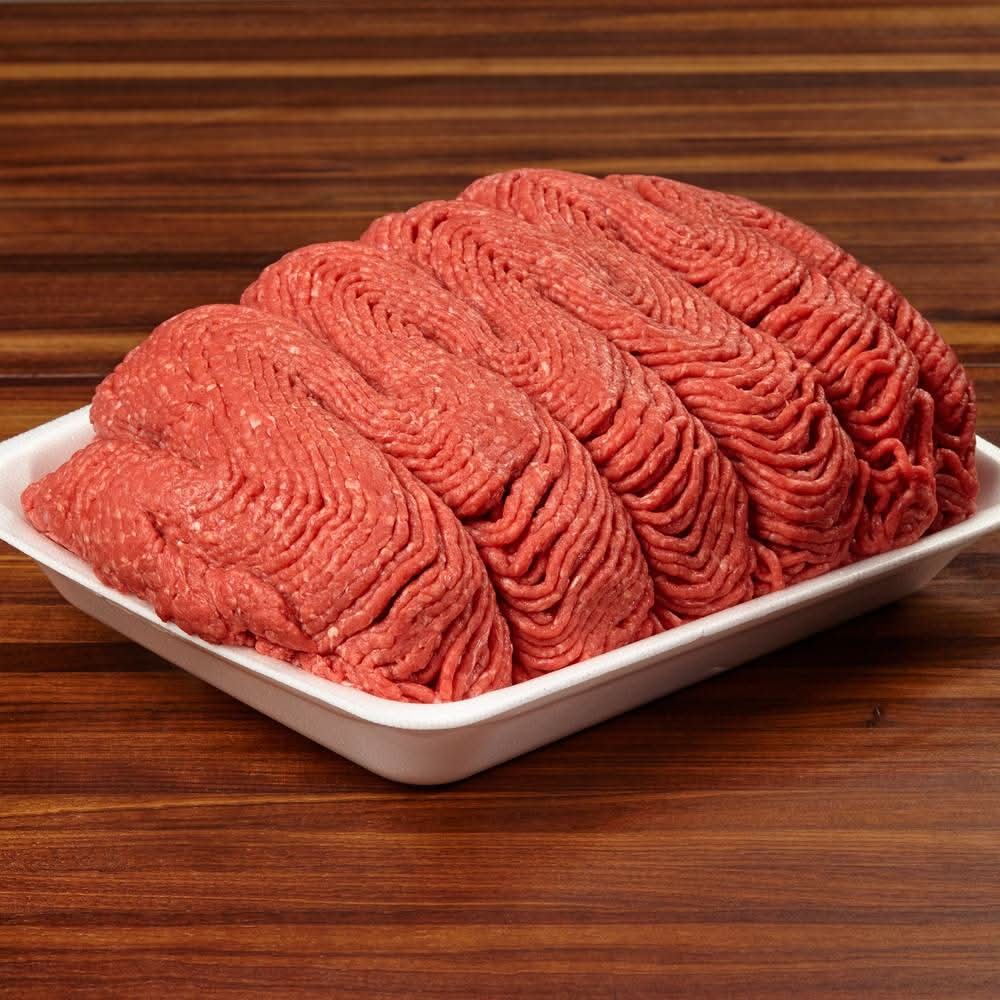
family kitchen beef shepherds pie
Analysis updated August 2026 · How Scout scores
At a glance
Summary
This beef shepherd's pie contains a variety of whole food ingredients such as potatoes, beef, and vegetables, which contribute to its nutritional value. The use of butter and sea salt adds flavor without introducing highly processed additives. However, as a processed food, it is capped in its score due to the level of processing involved, despite the clean ingredient list.
Key ingredients 11
PotatoesGood
Potatoes are a good source of carbohydrates and provide essential nutrients like vitamin C and potassium. They are minimally processed and retain their natural nutritional profile. When cooked, they offer a satisfying texture and flavor.
Benefits
Rich in carbohydrates for energy and contain important vitamins and minerals such as vitamin C and potassium.
ButterGood
Butter is a source of saturated fats and provides flavor and richness to dishes. It contains fat-soluble vitamins such as A, D, E, and K. When used in moderation, it can be part of a balanced diet.
Risks
Excessive consumption may contribute to increased cholesterol levels.
Benefits
Provides fat-soluble vitamins and enhances the flavor and texture of foods.
Sea SaltGood
Sea salt is a minimally processed salt that contains trace minerals. It is used to enhance flavor and is considered a natural source of sodium. Unlike refined salt, it retains some beneficial minerals.
Risks
Excessive sodium intake can lead to high blood pressure.
Benefits
Contains trace minerals and is a natural source of sodium, enhancing flavor.
BeefGood
Beef is a high-quality source of protein and essential nutrients like iron and B vitamins. It provides a complete amino acid profile necessary for muscle maintenance and growth. Grass-fed or organic beef is preferred for higher nutrient density.
Risks
Excessive consumption of red meat may be linked to certain health risks, such as heart disease.
Benefits
Rich in protein and essential nutrients, supporting muscle health and providing energy.
CornGood
Beneficial ingredient — whole-food or functional value in this product class.
Benefits
Provides carbohydrates and fiber, contributing to energy and digestive health.
PeasGood
Peas are a good source of plant-based protein and fiber. They contain vitamins and minerals such as vitamin K and manganese. Their inclusion adds nutritional diversity and texture to the dish.
Benefits
Rich in protein and fiber, supporting digestive health and providing essential nutrients.
CarrotsGood
Carrots are rich in beta-carotene, which the body converts to vitamin A. They provide fiber and antioxidants, supporting eye health and immune function. Their natural sweetness enhances the flavor profile of dishes.
Benefits
High in beta-carotene and fiber, promoting eye health and supporting the immune system.
OnionsGood
Onions are low in calories and rich in antioxidants and sulfur-containing compounds. They add flavor and have potential anti-inflammatory and immune-boosting properties. Their inclusion enhances the overall nutritional profile of the dish.
Benefits
Rich in antioxidants and compounds that may support immune health and reduce inflammation.
WaterNeutral
Water is used as a solvent and cooking medium in food preparation. It is essential for hydration and does not contribute calories or nutrients. Its presence in the product is purely functional.
Benefits
Essential for hydration and does not contribute any calories or nutrients.
SaltNeutral
Salt is used to enhance flavor and preserve food. It is a common culinary ingredient that provides sodium, an essential mineral. Its use should be moderated to avoid excessive sodium intake.
Risks
High sodium intake can lead to hypertension and cardiovascular issues.
Benefits
Essential for maintaining fluid balance and nerve function.
Beef BaseNeutral
Beef base is used to enhance the flavor of dishes, providing a concentrated beef taste. It is typically made from beef stock and seasonings. Its nutritional contribution is minimal, serving primarily as a flavor enhancer.
Risks
May contain added sodium and preservatives, which should be consumed in moderation.
Benefits
Enhances flavor without significantly altering the nutritional profile of the dish.
Processing
Processed Foods
Get the full breakdown in the Scout appTake Scout shopping
Scan any product to see lab results, healthy alternatives, and your personalized analysis.
Download on theApp Store GET IT ONGoogle PlayAmazon pricing & content
CERTAIN CONTENT THAT APPEARS ON THIS SITE COMES FROM AMAZON. THIS CONTENT IS PROVIDED “AS IS” AND IS SUBJECT TO CHANGE OR REMOVAL AT ANY TIME.