
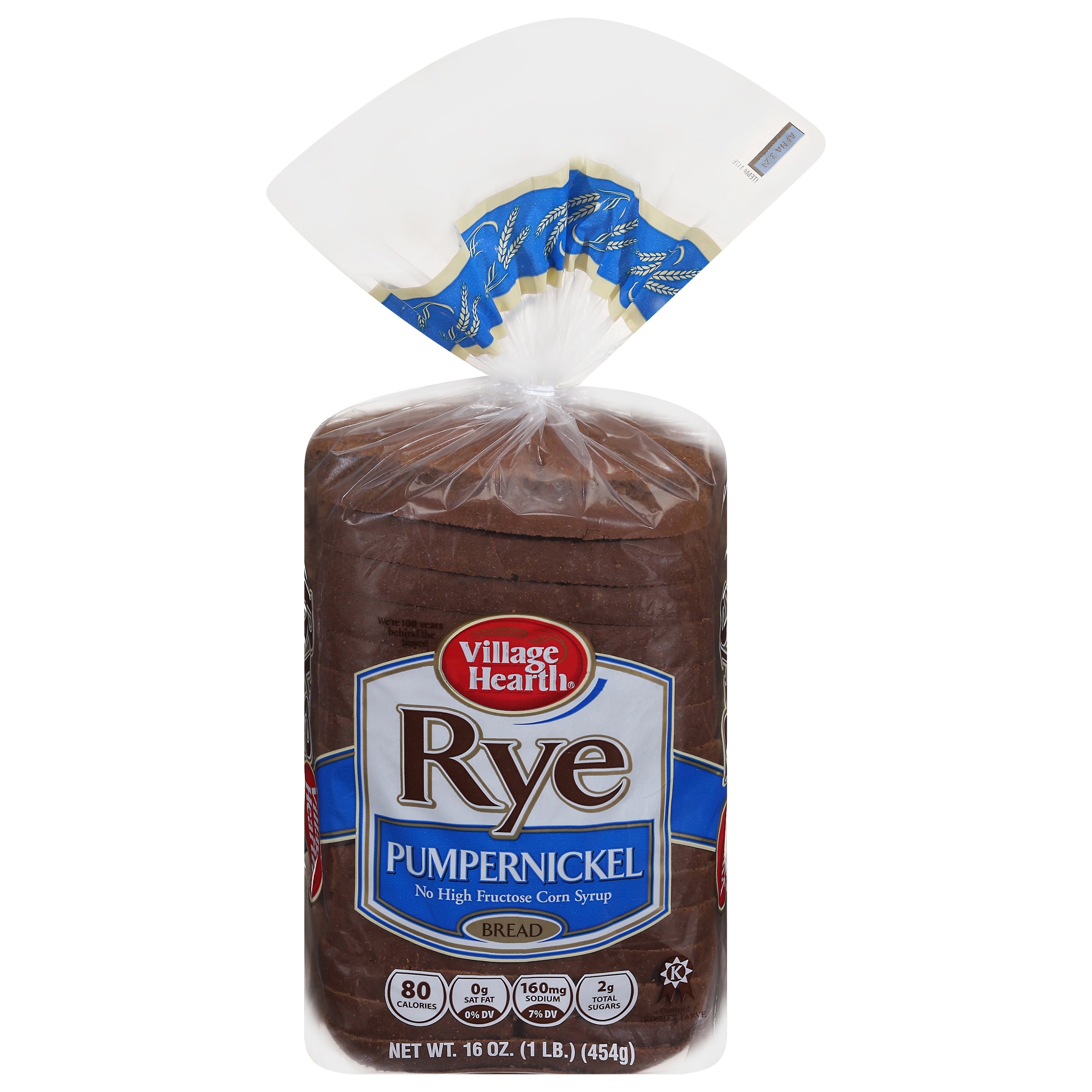




SEEDED RYE SANDWICH LOAF
Analysis updated October 2026 · How Scout scores
Near you
Walmart is carried at Walmart stores. Find one within 25 miles.
At a glance
Summary
The Seeded Rye Sandwich Loaf contains whole rye flour, which is a beneficial ingredient due to its fiber content and lower glycemic index. However, the presence of canola and/or soybean oil, which are highly processed seed oils, is a concern due to their potential inflammatory effects. The bread is moderately processed, which limits its score despite having a relatively clean ingredient list with minimal additives.
Key ingredients 11
Whole rye flourGood
Whole rye flour is a whole grain that retains its bran and germ, providing fiber and nutrients. It supports digestive health and offers a lower glycemic index compared to refined flours. Its nutrient density makes it a beneficial ingredient in bread.
Risks
May cause digestive discomfort in individuals with gluten sensitivity or celiac disease.
Benefits
Rich in fiber and nutrients, supporting digestive health and providing a lower glycemic index.
WaterNeutral
Water is a neutral ingredient used as a solvent and to provide moisture in the bread. It does not contribute any calories or nutrients. Its primary role is functional in the baking process.
See more about Water →Caraway seedsNeutral
Caraway seeds are used for flavoring and have a neutral nutritional profile. They add a distinctive taste to the bread but do not significantly impact its nutritional value. Their primary contribution is culinary rather than nutritional.
Benefits
Adds flavor and aroma to the bread, enhancing its sensory appeal.
Vital wheat glutenNeutral
Vital wheat gluten is a concentrated protein derived from wheat, used to improve dough elasticity and texture. It is beneficial for bread structure but does not provide significant nutritional benefits beyond protein content. It is particularly useful in enhancing the texture of baked goods.
Risks
May cause adverse reactions in individuals with gluten intolerance or celiac disease.
Benefits
Improves dough elasticity and texture, enhancing the quality of baked goods.
SaltNeutral
Salt is used to enhance flavor and control yeast activity in bread. It is a common ingredient in baking with no significant nutritional benefits. Its primary role is functional and sensory.
Risks
Excessive consumption may contribute to high blood pressure.
Benefits
Enhances flavor and controls yeast activity in the baking process.
YeastNeutral
Yeast is a leavening agent that helps bread rise by producing carbon dioxide. It is essential for bread texture but does not contribute significant nutritional value. Its role is primarily functional in the baking process.
Benefits
Essential for leavening and improving bread texture.
Cultured wheat starchNeutral
Cultured wheat starch is used as a preservative to extend shelf life. It is a processed ingredient with minimal nutritional impact. Its primary function is to inhibit spoilage and maintain product freshness.
Benefits
Helps extend shelf life by inhibiting spoilage.
VinegarNeutral
Vinegar is used for flavor and as a natural preservative. It has minimal impact on the nutritional profile of the bread. Its primary role is to enhance flavor and preserve freshness.
Benefits
Enhances flavor and acts as a natural preservative.
Dough conditionersNeutral
Dough conditioners like ascorbic acid and enzymes improve dough handling and bread texture. They are used in small amounts and have minimal nutritional impact. Their primary function is to enhance the quality of the final product.
Benefits
Improve dough handling and enhance bread texture.
Enriched wheat flourBad
Refined grain flour stripped of bran and germ.
Risks
May contribute to blood sugar spikes due to its refined nature and lack of fiber.
Benefits
Provides essential nutrients such as iron and B vitamins due to fortification.
Canola oil and/or soybean oilVery Bad
Canola oil and soybean oil are seed oils high in omega-6 fatty acids, which can promote inflammation when consumed in excess. They are often highly processed and may contain trans fats. Their inclusion is a negative aspect due to potential health concerns.
Risks
High omega-6 content may promote inflammation when consumed in excess.
Processing
Processed Foods
Get the full breakdown in the Scout appTake Scout shopping
Scan any product to see lab results, healthy alternatives, and your personalized analysis.
Download on theApp Store GET IT ONGoogle Play