
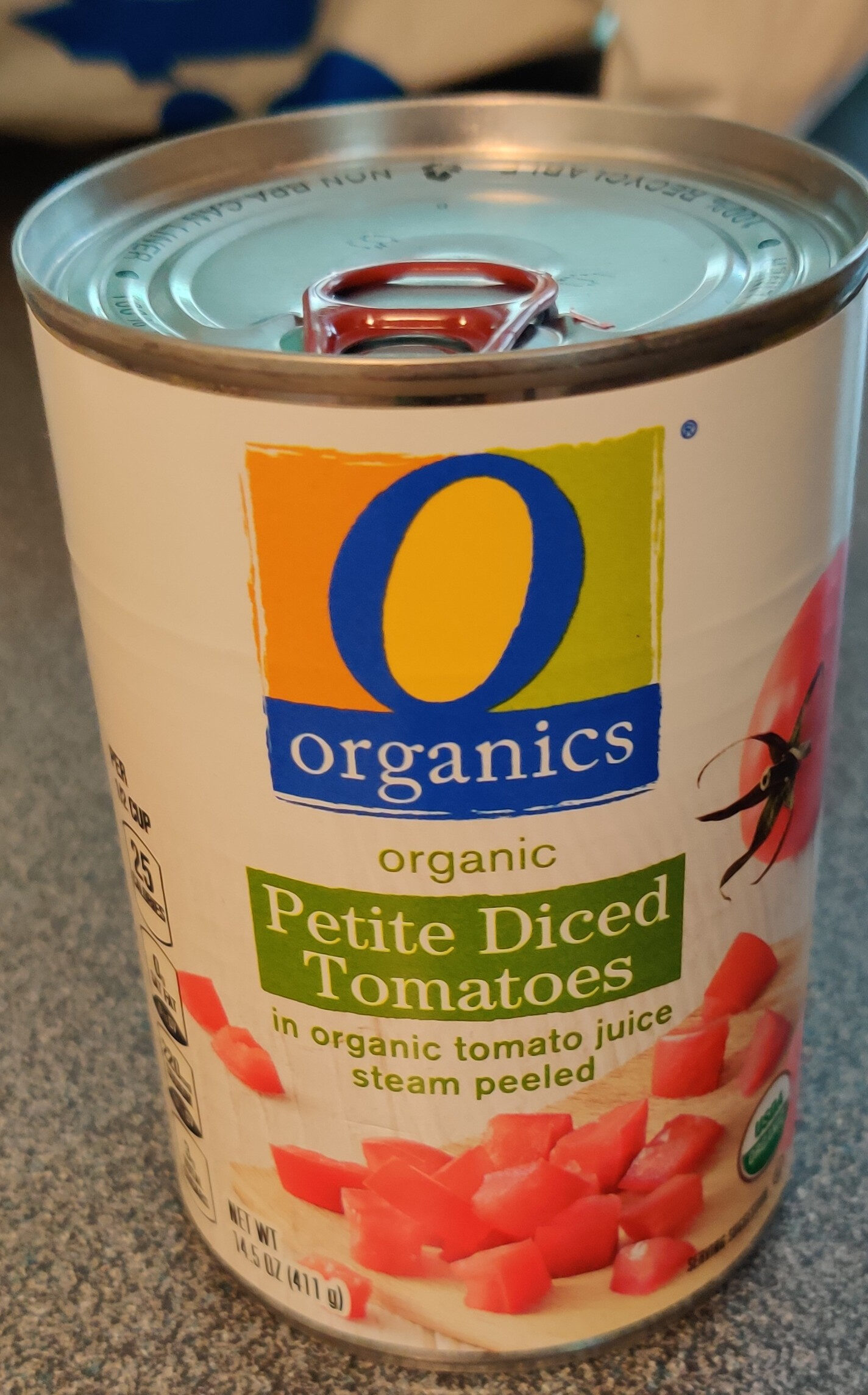



Organic Petite Diced Tomatoes
O OrganicsAnalysis updated September 2026 · How Scout scores
At a glance
Summary
This product features organic tomatoes and organic tomato juice, which are beneficial ingredients providing vitamins and antioxidants. The use of sea salt and minimal additives contributes to a clean label. Despite being processed, the absence of harmful ingredients like seed oils or artificial additives supports a higher score within its category.
Key ingredients 5
Organic TomatoesVery Good
Organic tomatoes are a rich source of vitamins, minerals, and antioxidants like lycopene. Being organic, they are grown without synthetic pesticides or fertilizers, enhancing their nutritional profile. They provide essential nutrients and contribute to a healthy diet.
Benefits
Rich in vitamins A and C, and antioxidants like lycopene, which may reduce the risk of chronic diseases.
Organic Tomato JuiceGood
Organic tomato juice provides hydration and nutrients, including vitamins and antioxidants. The organic certification ensures it is free from synthetic additives and pesticides. It complements the diced tomatoes by enhancing flavor and nutritional content.
Benefits
Provides vitamins and antioxidants, supporting overall health and hydration.
Sea SaltGood
Sea salt is a natural source of sodium and trace minerals. It is less processed than regular table salt, retaining more of its natural mineral content. Its use enhances flavor while providing essential electrolytes.
Risks
Excessive consumption of sodium can lead to high blood pressure and cardiovascular issues.
Benefits
Provides essential electrolytes and trace minerals, supporting hydration and nerve function.
Calcium ChlorideNeutral
Calcium chloride is used as a firming agent in canned foods. It helps maintain the texture of the tomatoes during processing. It is generally recognized as safe when used in small amounts.
Risks
Excessive intake can lead to hypercalcemia, but this is unlikely from typical food consumption.
Benefits
Helps maintain the firmness and texture of canned tomatoes.
Citric AcidNeutral
Citric acid is a natural preservative and flavor enhancer. It is commonly used to maintain acidity and prevent spoilage in canned foods. It is generally safe for consumption in moderate amounts.
Risks
Excessive consumption may cause dental erosion or gastrointestinal discomfort.
Benefits
Acts as a preservative and enhances flavor, extending the shelf life of the product.
Processing
Processed Foods
Get the full breakdown in the Scout appTake Scout shopping
Scan any product to see lab results, healthy alternatives, and your personalized analysis.
Download on theApp Store GET IT ONGoogle Play