


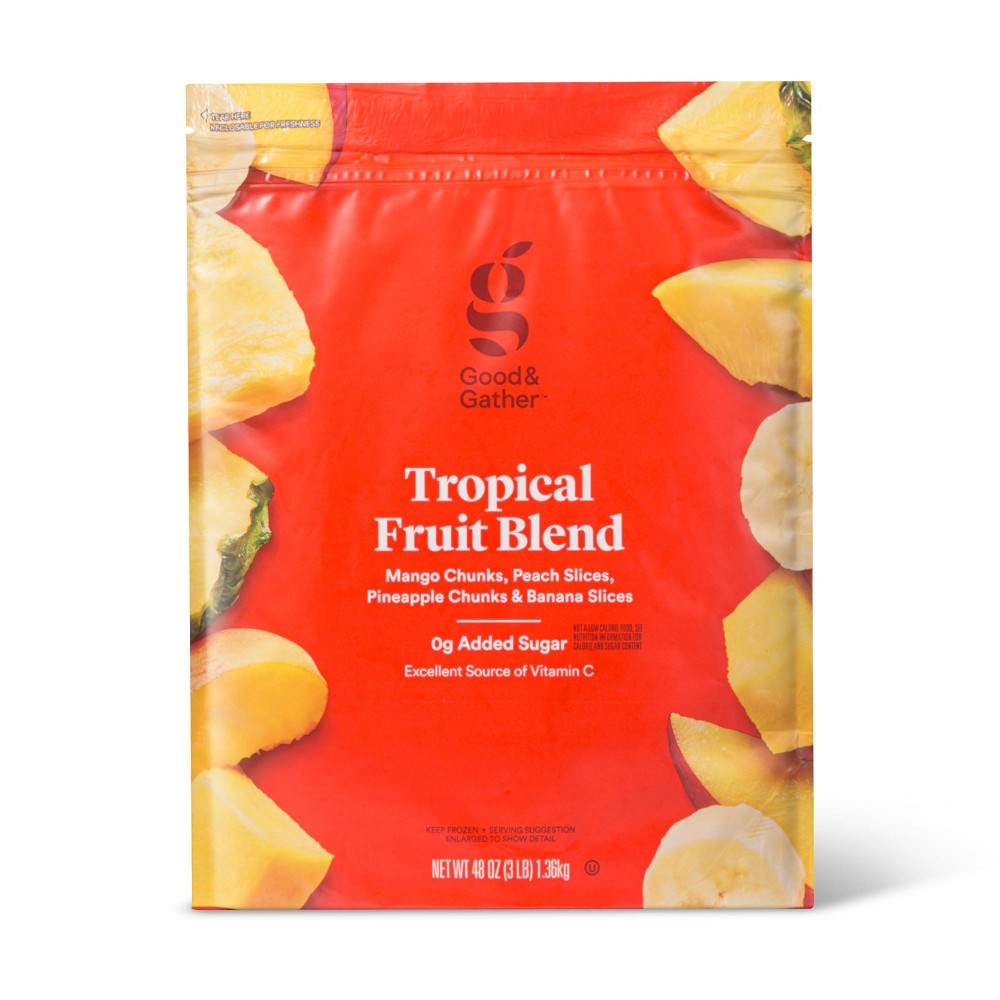


At a glance
Summary
This product contains dried mango, which is a nutritious fruit, but the addition of cane sugar and sodium metabisulfite increases its processing level. The refined sugar adds unnecessary calories and can lead to blood sugar spikes, while the preservative may cause allergic reactions in sensitive individuals. These factors, combined with the processed nature of the product, limit its healthiness compared to whole, unprocessed fruits.
Key ingredients 4
Dried MangoGood
Dried mango is a natural source of vitamins and minerals, particularly vitamin A and C. It is a minimally processed fruit that retains most of its nutritional benefits. However, the drying process concentrates sugars, which should be consumed in moderation.
Risks
The concentrated sugars in dried mango can contribute to high sugar intake if consumed in large quantities.
Benefits
Rich in vitamins A and C, which support immune function and skin health. Provides dietary fiber that aids in digestion.
Citric AcidNeutral
Citric acid is a natural acid found in citrus fruits, used as a preservative and flavor enhancer. It is generally recognized as safe and is commonly used in food processing. While it adds a tangy flavor, it does not provide significant nutritional benefits.
Risks
In rare cases, citric acid can cause allergic reactions or irritation in sensitive individuals.
Benefits
Acts as a preservative to extend shelf life and enhance flavor without significant health risks.
Cane SugarBad
Cane sugar is a refined sugar that contributes to increased calorie intake without providing essential nutrients. It can lead to spikes in blood sugar levels and contribute to weight gain if consumed excessively. Unlike natural sugars found in whole fruits, refined sugars lack fiber and other beneficial compounds.
Risks
Excessive consumption of refined sugar is linked to obesity, type 2 diabetes, and heart disease.
Sodium MetabisulfiteBad
Sodium metabisulfite is a preservative used to prevent oxidation and maintain color in dried fruits. It can cause allergic reactions or respiratory issues in sensitive individuals, particularly those with asthma. While effective as a preservative, it does not offer nutritional benefits.
Risks
May cause allergic reactions or respiratory issues, especially in individuals with asthma or sulfite sensitivity.
Processing
Processed Foods
Get the full breakdown in the Scout appTake Scout shopping
Scan any product to see lab results, healthy alternatives, and your personalized analysis.
Download on theApp Store GET IT ONGoogle Play