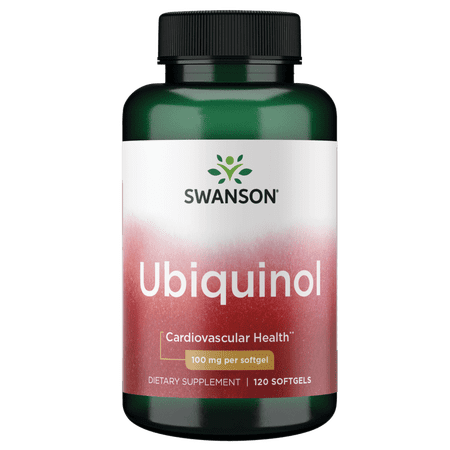
Swanson Ubiquinol 100 Milligrams 120 Sgels
At a glance
Summary
This supplement contains beneficial d-alpha tocopherol, a natural form of vitamin E, which is an antioxidant. However, it includes sunflower oil, a seed oil high in omega-6 fatty acids, which can promote inflammation when consumed in excess. The presence of sunflower lecithin as an emulsifier adds to the processing level, but it is less concerning than whole seed oils. Its plastic packaging can shed microplastics into the product and lowers its score.
Key ingredients 6
Flaxseed OilGood
Beneficial ingredient — whole-food or functional value in this product class.
Risks
Flaxseed oil can oxidize quickly, leading to the formation of harmful compounds if not stored properly.
Benefits
Provides alpha-linolenic acid (ALA), a type of omega-3 fatty acid that supports cardiovascular health.
D-alpha Tocopherol (Vitamin E)Good
D-alpha tocopherol is a natural form of vitamin E, an antioxidant that protects cells from damage. It is essential for immune function and skin health. The natural form is more bioavailable compared to synthetic versions.
Benefits
Supports immune function and acts as a powerful antioxidant, protecting cells from oxidative stress.
Softgel (Gelatin, Glycerin, Purified Water, Carob)Neutral
The softgel capsule is made from gelatin, glycerin, purified water, and carob, which are common ingredients used to encapsulate supplements. Gelatin is derived from animal collagen and is generally considered safe. Carob is used as a natural thickener and stabilizer.
Benefits
Provides a convenient delivery method for the active ingredients without significant health concerns.
BeeswaxNeutral
Beeswax is used as a glazing agent and stabilizer in supplements. It is a natural product with minimal processing. It helps maintain the integrity of the softgel capsule.
Benefits
Acts as a natural stabilizer and helps in maintaining the structure of the softgel.
Sunflower LecithinBad
Sunflower lecithin is used as an emulsifier in supplements. It is a processed ingredient derived from sunflower oil. While it is less concerning than whole seed oils, it still involves processing that may strip beneficial nutrients.
Risks
May contain trace amounts of solvents used in processing, though generally considered safe in small amounts.
Benefits
Helps improve the texture and consistency of the product, aiding in the absorption of fat-soluble nutrients.
Other Tocopherols & Sunflower OilVery Bad
Sunflower oil is a seed oil high in omega-6 fatty acids, which can promote inflammation when consumed in excess. It is heavily processed and often refined, which can remove beneficial nutrients. The presence of other tocopherols does not mitigate the negative impact of the sunflower oil.
Risks
High omega-6 content may promote inflammation and is associated with an increased risk of chronic diseases when consumed in large amounts.
Processing
Processed Foods
Get the full breakdown in the Scout appTake Scout shopping
Scan any product to see lab results, healthy alternatives, and your personalized analysis.