


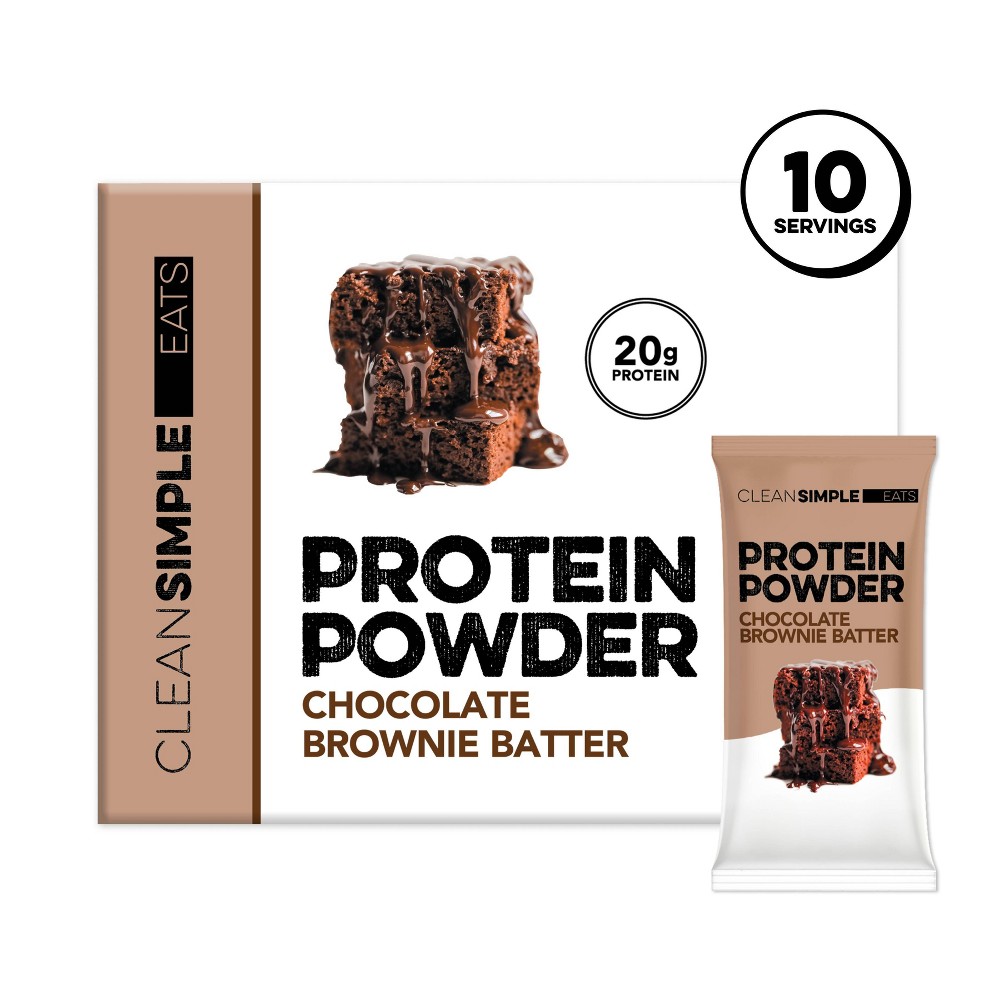
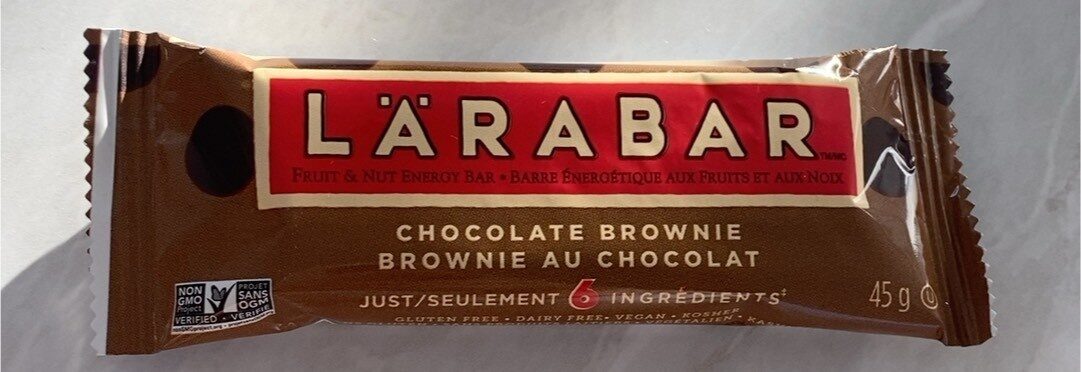
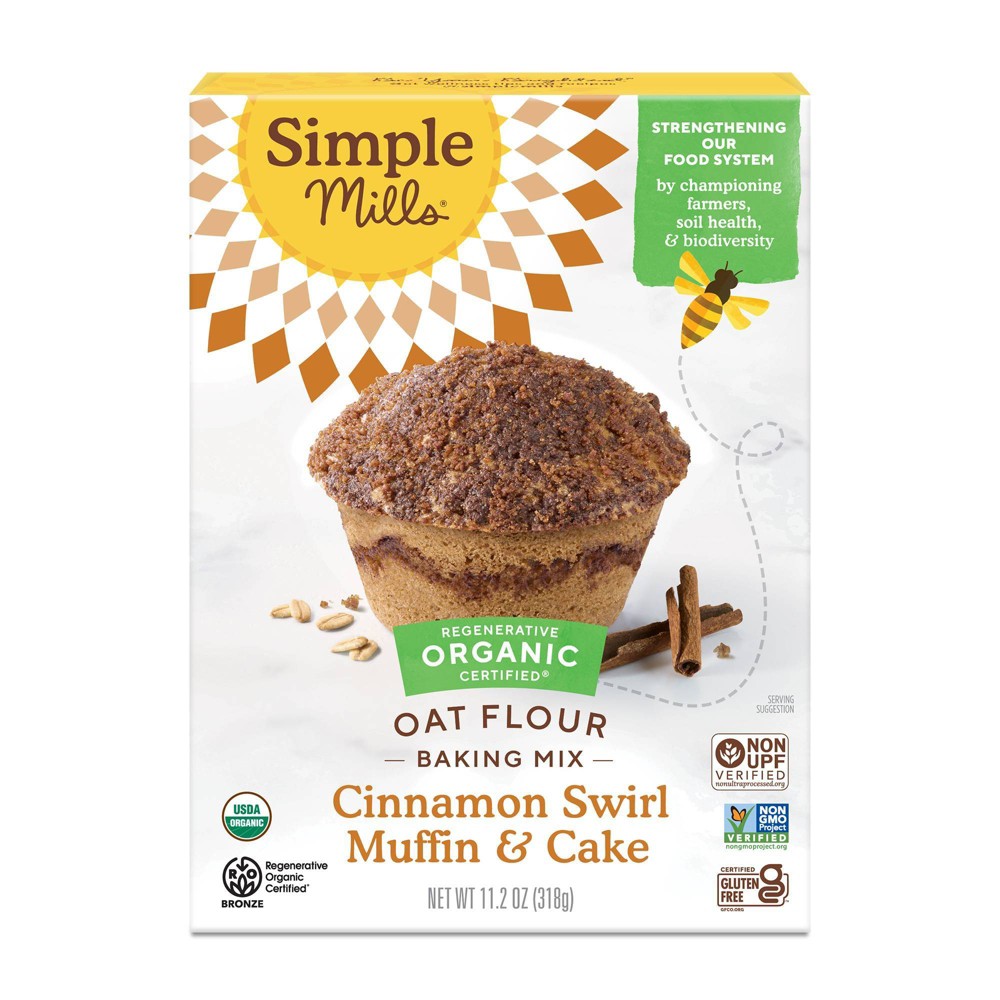
Betty Crocker Chocolate Brownie Mix
Analysis updated July 2026 · How Scout scores
At a glance
Summary
This chocolate brownie mix is ultra-processed, which limits its potential health score. While it contains some beneficial ingredients like molasses, honey, and cocoa powder, it also includes processed additives such as soy lecithin and xanthan gum. The presence of multiple additives and the high level of processing contribute to a lower score, despite the use of organic chocolate chunks and whole grain brown rice flour.
Key ingredients 8
Molasses & honeyGood
Molasses and honey are natural sweeteners that provide flavor and energy without artificial additives.
Brown rice flourGood
Brown rice flour is a minimally processed grain that offers some fiber and nutrients, making it a healthier carbohydrate source.
See more about Brown rice flour →White rice flourGood
White rice flour is a common gluten-free flour that adds texture and structure to baked goods without artificial ingredients.
See more about White rice flour →Cocoa powderGood
Cocoa powder provides antioxidants and a rich chocolate flavor, enhancing the product's taste naturally.
See more about Cocoa powder →Organic chocolate chunks (organic evaporated cane sugar, organic cocoa paste, organic cocoa butter, non-gmo soy lecithin/emulsifier, organic vanilla)Good
Organic chocolate chunks contain natural cocoa and minimal additives, offering flavor and some antioxidants.
Sweet rice flourGood
Sweet rice flour is a minimally processed ingredient that adds moisture and chewiness to baked goods.
Tapioca starchNeutral
Standard formulation ingredient — neither beneficial nor harmful at typical use.
See more about Tapioca starch →Potato starchNeutral
Standard formulation ingredient — neither beneficial nor harmful at typical use.
See more about Potato starch →Processing
Ultra-Processed Foods
Get the full breakdown in the Scout appTake Scout shopping
Scan any product to see lab results, healthy alternatives, and your personalized analysis.
Download on theApp Store GET IT ONGoogle PlayAmazon pricing & content
Amazon price as of . Product prices and availability are accurate as of the date/time indicated and are subject to change. Any price and availability information displayed on Amazon.com at the time of purchase will apply to the purchase of this product.
CERTAIN CONTENT THAT APPEARS ON THIS SITE COMES FROM AMAZON. THIS CONTENT IS PROVIDED “AS IS” AND IS SUBJECT TO CHANGE OR REMOVAL AT ANY TIME.