



At a glance
Summary
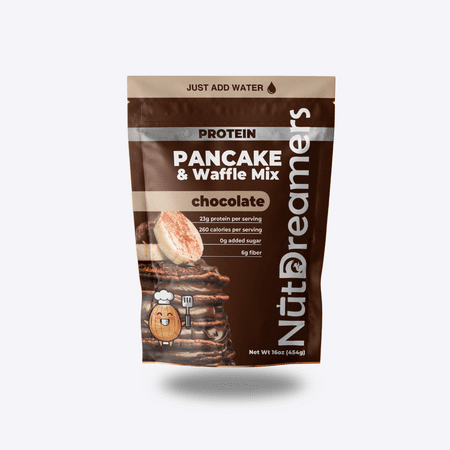
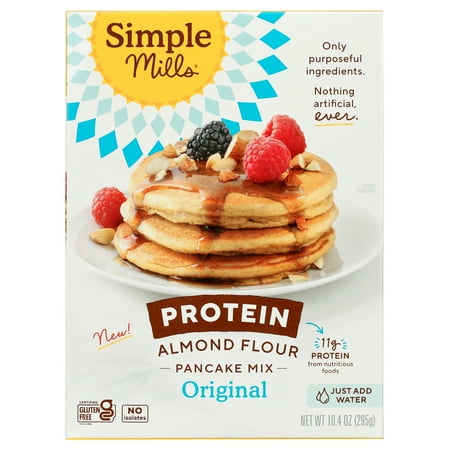
This protein pancake mix contains beneficial ingredients like whole wheat flour, whole grain oat flour, and high-quality protein isolates, which contribute to its nutritional value. However, it is classified as ultra-processed due to the presence of multiple additives and refined sugar, which limits its score. The processing level and the inclusion of sugar as a top ingredient prevent it from achieving a higher rating.
Key ingredients 12
Whey protein isolateVery Good
Whey protein isolate is a high-quality protein source with a complete amino acid profile. It is rapidly absorbed, making it ideal for post-exercise recovery. It is derived from milk and is highly purified to remove most fats and lactose.
Risks
May cause allergic reactions in individuals with milk allergies.
Benefits
Supports muscle growth and repair due to its rich amino acid content. Highly bioavailable and easily digestible.
Whole wheat flourGood
Whole wheat flour is a good source of dietary fiber and essential nutrients. It is less processed than refined flour, retaining more vitamins and minerals. It supports digestive health and provides sustained energy.
Risks
May cause allergic reactions in individuals with wheat allergies or gluten intolerance.
Benefits
Rich in fiber, which aids in digestion and helps maintain healthy blood sugar levels. Contains essential nutrients like B vitamins and iron.
Whole grain oat flourGood
Whole grain oat flour is a nutritious ingredient rich in fiber and beta-glucans. It is minimally processed, retaining its natural nutrients. It supports heart health and provides a slow release of energy.
Benefits
Contains beta-glucans that can help lower cholesterol levels and support heart health. Provides a good source of dietary fiber.
Milk protein isolateGood
Milk protein isolate is a high-quality protein source that contains both casein and whey proteins. It provides a complete amino acid profile, supporting muscle growth and repair. It is often used in protein-rich foods and supplements.
Risks
May cause allergic reactions in individuals with milk allergies.
Benefits
Rich in essential amino acids, supporting muscle maintenance and growth. Provides a slow and sustained release of amino acids.
Wheat protein isolateNeutral
Wheat protein isolate is a concentrated source of protein derived from wheat. It provides a plant-based protein option but lacks some essential amino acids found in animal proteins. It is often used to increase protein content in foods.
Risks
May not provide a complete amino acid profile compared to animal-based proteins. Potential allergen for those with wheat allergies.
Benefits
Increases protein content in foods, which can support muscle maintenance and repair.
Nonfat dry milkNeutral
Nonfat dry milk is a dehydrated form of milk that retains most of the nutrients of fresh milk. It is a convenient source of calcium and protein. It is used to enhance the nutritional profile of foods.
Risks
May cause allergic reactions in individuals with milk allergies or lactose intolerance.
Benefits
Provides calcium and protein, which are essential for bone health and muscle function.
Buttermilk powderNeutral
Buttermilk powder is a dehydrated form of buttermilk that adds flavor and texture to baked goods. It retains some of the nutrients of fresh buttermilk. It is used to enhance the taste and texture of foods.
Risks
May cause allergic reactions in individuals with milk allergies or lactose intolerance.
Benefits
Adds a tangy flavor and creamy texture to baked goods. Contains some calcium and protein.
Sodium bicarbonateNeutral
Sodium bicarbonate is a common leavening agent used in baking to help dough rise. It is chemically stable and safe for consumption in moderate amounts. It reacts with acidic ingredients to produce carbon dioxide gas.
Risks
Excessive consumption can lead to alkalosis, but this is unlikely in typical food use.
Benefits
Helps baked goods rise, improving texture and volume.
Monocalcium phosphateNeutral
Monocalcium phosphate is used as a leavening agent in baking. It reacts with baking soda to produce carbon dioxide, helping dough rise. It is a source of calcium, though not significant in typical food use.
Benefits
Contributes to the leavening process in baked goods, improving texture.
SaltNeutral
Salt is used to enhance flavor and preserve food. It is a source of sodium, an essential mineral for fluid balance and nerve function. It is used in moderation to improve taste.
Risks
Excessive intake can lead to high blood pressure and cardiovascular issues.
Benefits
Enhances flavor and acts as a preservative. Provides essential sodium for bodily functions.
SugarBad
Sugar is a refined carbohydrate that can contribute to increased calorie intake without providing essential nutrients. Excessive consumption is linked to various health issues like obesity and diabetes. It is often used to enhance flavor.
Risks
High intake can lead to weight gain, increased risk of type 2 diabetes, and dental cavities.
Benefits
Provides quick energy but lacks significant nutritional benefits.
Sodium acid pyrophosphateBad
Processed additive flagged under Scout's ingredient doctrine.
Benefits
Improves texture and appearance of baked goods by acting as a leavening agent.
Processing
Ultra-Processed Foods
Get the full breakdown in the Scout appTake Scout shopping
Scan any product to see lab results, healthy alternatives, and your personalized analysis.
Download on theApp Store GET IT ONGoogle Play