
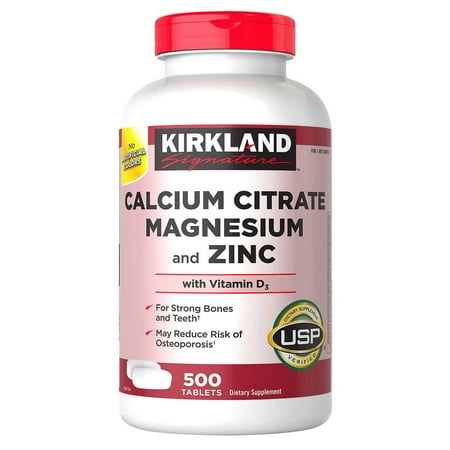








Kirkland Signature Calcium Citrate Magnesium and Zinc 500 Tablets
Kirkland SignatureAnalysis updated April 2026 · How Scout scores
Near you
Kirkland Signature is carried at Costco stores. Find one within 25 miles.
At a glance
Summary
This supplement contains beneficial ingredients like calcium citrate and cholecalciferol, which are known for their high bioavailability and essential roles in bone health. However, the inclusion of boric acid, which can be toxic in high amounts, raises concerns. The presence of multiple additives, although not excessive, also slightly impacts the overall formulation quality.
Key ingredients 13
Calcium CitrateVery Good
Calcium citrate is a highly absorbable form of calcium, essential for bone health and muscle function. It is preferred over other forms due to its better absorption rate, especially in individuals with lower stomach acid. This makes it a superior choice for maintaining adequate calcium levels.
Benefits
Supports bone density and reduces the risk of osteoporosis.
CholecalciferolVery Good
Cholecalciferol, or Vitamin D3, is crucial for calcium absorption and bone health. It is the preferred form of Vitamin D due to its superior bioavailability compared to Vitamin D2. Adequate Vitamin D levels are essential for immune function and overall health.
Risks
Excessive intake can lead to hypercalcemia, causing nausea and kidney issues.
Benefits
Enhances calcium absorption and supports immune health.
Magnesium OxideGood
Magnesium oxide is a common form of magnesium used in supplements, known for its high magnesium content per weight. Although it has a lower absorption rate compared to other forms, it is effective for addressing magnesium deficiency. It is often used for its laxative effect and to support muscle and nerve function.
Risks
May cause gastrointestinal discomfort or diarrhea in high doses.
Benefits
Supports muscle and nerve function, and helps maintain normal blood pressure.
Zinc OxideGood
Zinc oxide is a common form of zinc used in supplements, known for its role in immune function and wound healing. It is an effective way to increase zinc intake, although it has a lower absorption rate compared to other forms. It is crucial for maintaining a healthy immune system.
Risks
Excessive intake may lead to zinc toxicity, causing nausea and immune dysfunction.
Benefits
Supports immune function and skin health.
Manganese GluconateGood
Manganese gluconate is a bioavailable form of manganese, important for bone formation and metabolic processes. It is used in supplements to support enzyme function and bone health. Manganese is essential for the synthesis of connective tissue.
Risks
High doses may lead to neurological issues.
Benefits
Supports bone health and enzyme function.
Copper GluconateGood
Copper gluconate is a form of copper used in supplements to support cardiovascular and immune health. It is essential for iron metabolism and the formation of red blood cells. Copper is also important for maintaining healthy connective tissues.
Risks
Excessive copper intake can lead to toxicity, causing liver damage.
Benefits
Supports cardiovascular health and iron metabolism.
GlycineGood
Glycine is an amino acid that supports collagen production and has calming effects on the brain. It is used in supplements for its potential to improve sleep quality and joint health. Glycine also plays a role in detoxification processes.
Benefits
Supports collagen production and improves sleep quality.
Pyridoxine HydrochlorideGood
Pyridoxine hydrochloride is a form of Vitamin B6, important for protein metabolism and cognitive development. It is used in supplements to support brain health and energy metabolism. Vitamin B6 is essential for neurotransmitter synthesis.
Risks
High doses may cause nerve damage.
Benefits
Supports brain health and energy metabolism.
Calcium CarbonateNeutral
Standard formulation ingredient — neither beneficial nor harmful at typical use.
Risks
May cause constipation or bloating in some individuals.
Benefits
Helps maintain strong bones and teeth.
Magnesium StearateNeutral
Magnesium stearate is commonly used as a flow agent in supplement manufacturing. It ensures even distribution of ingredients in tablets and capsules. While it is generally considered safe, some concerns exist about its potential to inhibit nutrient absorption.
See more about Magnesium Stearate →Silicon DioxideNeutral
Silicon dioxide is used as an anti-caking agent in supplements to prevent clumping. It is a naturally occurring compound found in many foods and is generally recognized as safe. It does not contribute any nutritional value to the supplement.
See more about Silicon Dioxide →Cellulose CoatingNeutral
Cellulose coating is used to provide a protective layer on tablets, aiding in their stability and ease of swallowing. It is derived from plant fibers and is considered safe for consumption. It does not affect the nutritional profile of the supplement.
See more about Cellulose Coating →Boric AcidBad
Boric acid is sometimes used in supplements for its potential health benefits, but it is not essential for human nutrition. It can be toxic in high amounts and is not typically recommended for supplementation. Its inclusion in supplements is controversial due to potential health risks.
Risks
Toxic in high doses, potentially causing reproductive and developmental harm.
Processing
Ultra-Processed Foods
Get the full breakdown in the Scout appTake Scout shopping
Scan any product to see lab results, healthy alternatives, and your personalized analysis.
Download on theApp Store GET IT ONGoogle PlayAmazon pricing & content
Amazon price as of . Product prices and availability are accurate as of the date/time indicated and are subject to change. Any price and availability information displayed on Amazon.com at the time of purchase will apply to the purchase of this product.
CERTAIN CONTENT THAT APPEARS ON THIS SITE COMES FROM AMAZON. THIS CONTENT IS PROVIDED “AS IS” AND IS SUBJECT TO CHANGE OR REMOVAL AT ANY TIME.