
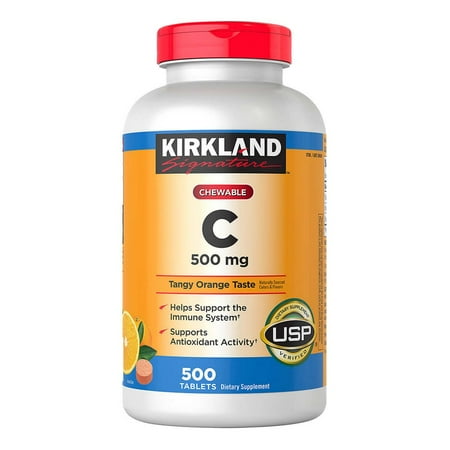


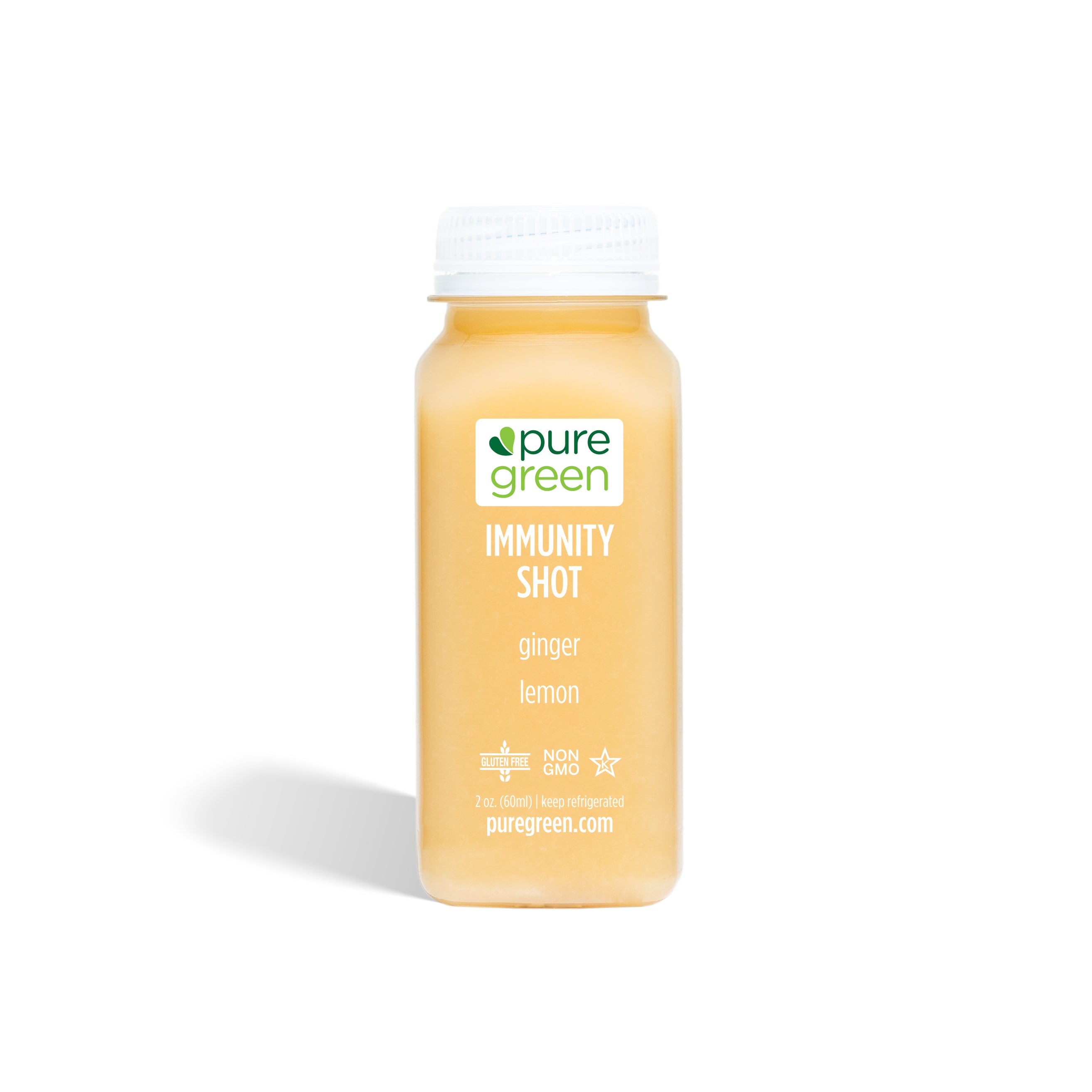



Kirkland Signature Chewable Vitamin C 500 mg. 500 Tablets
Kirkland SignatureAnalysis updated July 2026 · How Scout scores
Near you
Kirkland Signature is carried at Costco stores. Find one within 25 miles.
At a glance
Summary
This chewable vitamin C supplement contains beneficial forms of vitamin C, such as sodium ascorbate and ascorbic acid, which are known for their antioxidant properties and immune support. However, the presence of sucralose, an artificial sweetener, and maltodextrin, a processed carbohydrate, detracts from its overall quality. Additionally, the use of natural orange flavor without transparency about its specific components raises concerns about ingredient clarity.
Key ingredients 13
Sodium AscorbateGood
Sodium ascorbate is a form of Vitamin C that is more easily absorbed by the body compared to ascorbic acid alone. It provides antioxidant benefits and supports immune function. It is often used in supplements for its enhanced bioavailability.
Benefits
Enhances immune function and provides antioxidant protection, supporting overall health.
Ascorbic AcidGood
Ascorbic acid is a pure form of Vitamin C, essential for collagen synthesis and immune support. It is a well-known antioxidant that helps protect cells from damage. Commonly used in supplements to boost Vitamin C intake.
Risks
High doses may cause gastrointestinal discomfort, such as diarrhea or nausea.
Benefits
Supports immune health and acts as a powerful antioxidant, protecting against oxidative stress.
SorbitolNeutral
Sorbitol is a sugar alcohol used as a sweetener and humectant in food products. It is generally considered safe but can cause digestive issues in large amounts. It is a common ingredient in sugar-free products.
Risks
Excessive consumption may lead to gastrointestinal discomfort, including bloating and diarrhea.
Benefits
Provides sweetness with fewer calories than sugar, making it useful in low-calorie products.
Corn StarchNeutral
Corn starch is used as a filler and thickening agent in many food products. It is a refined carbohydrate with minimal nutritional value. Commonly used in processed foods for texture and stability.
Benefits
Provides texture and stability to the product without significant nutritional benefits.
Magnesium StearateNeutral
Magnesium stearate is a common additive used as a flow agent in supplement manufacturing. It helps prevent ingredients from sticking to equipment. It is generally recognized as safe in small amounts.
Benefits
Improves manufacturing efficiency by preventing clumping and ensuring even distribution of ingredients.
Silicon DioxideNeutral
Silicon dioxide is used as an anti-caking agent to prevent clumping in powdered products. It is a naturally occurring compound found in the earth's crust. Widely used in food and supplements for its functional properties.
Benefits
Prevents clumping and ensures consistent texture in powdered products.
Orange Juice PowderNeutral
Orange juice powder is derived from dehydrated orange juice and used for flavoring. It retains some nutrients from the original fruit but in reduced amounts. Commonly used in supplements for its natural flavor and vitamin content.
Benefits
Adds natural flavor and a small amount of Vitamin C to the product.
LactoseNeutral
Lactose is a sugar found in milk and used as a filler in supplements. It is generally well-tolerated but can cause issues for those with lactose intolerance. Used in small amounts in supplements for its binding properties.
Risks
May cause digestive discomfort in individuals with lactose intolerance.
Benefits
Acts as a filler and binder, contributing to the product's texture and stability.
Annatto ExtractNeutral
Annatto extract is a natural colorant derived from the seeds of the achiote tree. It is used to impart a yellow to orange color in foods. Considered safe and natural, it is a common alternative to synthetic dyes.
Benefits
Provides natural coloring without the use of synthetic dyes.
Potassium HydroxideNeutral
Potassium hydroxide is used in food processing to adjust pH levels. It is a strong alkaline compound used in small amounts. Commonly used in food processing for its functional properties.
Benefits
Helps maintain the desired pH level in food products, ensuring stability and safety.
Natural Orange FlavorBad
Natural orange flavor is a catch-all term for flavoring agents derived from natural sources. It lacks transparency about specific ingredients and processing methods. Often used to enhance taste without providing nutritional benefits.
Risks
Potential for undisclosed additives or allergens, and lack of transparency in ingredient sourcing.
Benefits
Enhances the flavor profile of the product, making it more palatable.
SucraloseBad
Sucralose is an artificial sweetener used to provide sweetness without calories. It is much sweeter than sugar and used in small amounts. Concerns exist about its impact on gut health and potential metabolic effects.
Risks
May affect gut microbiota and has been linked to potential metabolic changes.
Benefits
Provides sweetness without adding calories, useful for low-calorie and sugar-free products.
MaltodextrinBad
Maltodextrin is a highly processed carbohydrate used as a filler and thickener. It has a high glycemic index and can affect blood sugar levels. Commonly used in processed foods for texture and bulk.
Risks
May cause spikes in blood sugar levels and is a highly processed ingredient.
Benefits
Provides bulk and texture to products, but offers minimal nutritional benefits.
Processing
Ultra-Processed Foods
Get the full breakdown in the Scout appTake Scout shopping
Scan any product to see lab results, healthy alternatives, and your personalized analysis.
Download on theApp Store GET IT ONGoogle PlayAmazon pricing & content
CERTAIN CONTENT THAT APPEARS ON THIS SITE COMES FROM AMAZON. THIS CONTENT IS PROVIDED “AS IS” AND IS SUBJECT TO CHANGE OR REMOVAL AT ANY TIME.