


At a glance
Summary
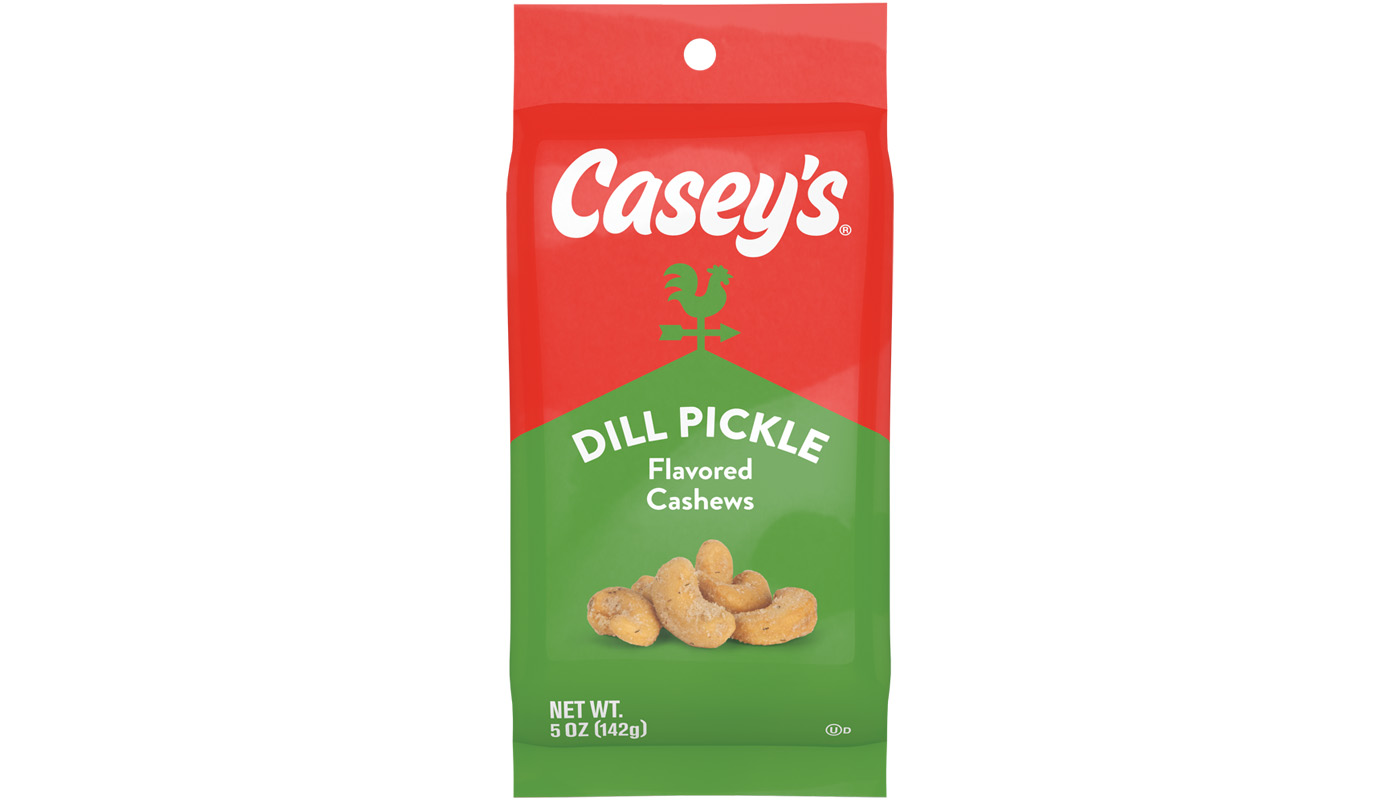
Dill Pickle Cashews contain nutrient-dense cashews and beneficial spices like garlic and onion powder, which contribute to their health benefits. However, the presence of added sugar and natural flavors, which are highly processed, detracts from the overall nutritional quality. The product's processing level further limits its score potential, despite the absence of more harmful ingredients like seed oils.
Key ingredients 10
CashewsGood
Cashews are a nutrient-dense nut rich in healthy fats, protein, and essential minerals. They provide heart health benefits due to their monounsaturated fat content. Cashews are minimally processed, retaining most of their natural nutrients.
Risks
Cashews can be allergenic for some individuals and should be consumed in moderation due to their calorie density.
Benefits
Rich in monounsaturated fats, which support heart health, and contain essential minerals like magnesium and zinc.
Garlic PowderGood
Garlic powder is made from dehydrated garlic and retains many of its health benefits. It contains compounds that may support immune function and cardiovascular health. The processing is minimal, preserving its beneficial properties.
Benefits
Contains allicin, which has antimicrobial and antioxidant properties that may support heart health.
Onion PowderGood
Onion powder is made from dehydrated onions and retains many of the health benefits of fresh onions. It contains antioxidants and compounds that may support heart health. The processing is minimal, preserving its beneficial properties.
Benefits
Contains antioxidants and sulfur compounds that may support cardiovascular health.
DillGood
Dill is an herb that adds flavor and contains antioxidants. It is minimally processed and retains its natural nutrients. Dill may have digestive benefits and contribute to overall flavor enhancement.
Benefits
Contains antioxidants and may aid in digestion, adding flavor without calories.
SaltNeutral
Salt is used to enhance flavor and preserve food. It is a refined product that provides sodium, an essential electrolyte. Excessive consumption can lead to health issues such as hypertension.
Risks
High sodium intake is associated with increased risk of hypertension and cardiovascular diseases.
Benefits
Essential for maintaining fluid balance and nerve function in the body.
VinegarNeutral
Vinegar is an acidic liquid produced through fermentation, often used for flavoring and preservation. It has minimal nutritional value but can aid in digestion. The acetic acid in vinegar may have antimicrobial properties.
Risks
Excessive consumption can lead to enamel erosion and digestive discomfort.
Benefits
May aid in digestion and has antimicrobial properties due to its acetic acid content.
MaltodextrinBad
Processed additive flagged under Scout's ingredient doctrine.
Risks
May cause spikes in blood sugar levels and is not suitable for individuals with insulin sensitivity.
Benefits
Provides a quick source of energy, especially useful in sports nutrition.
SugarBad
Sugar is a refined carbohydrate that provides quick energy but lacks essential nutrients. Excessive intake is linked to various health issues, including obesity and metabolic syndrome. It is often added to enhance flavor but can contribute to unhealthy dietary patterns.
Risks
High consumption is associated with increased risk of obesity, type 2 diabetes, and dental cavities.
Benefits
Provides a quick source of energy but should be consumed in moderation.
Yeast ExtractBad
Concentrated glutamate source — MSG-adjacent flavor enhancer.
Risks
Contains glutamates, which may cause sensitivity in some individuals.
Benefits
Rich in B vitamins and enhances the umami flavor of foods.
Natural FlavorBad
Natural flavors are additives used to enhance taste, derived from natural sources but often highly processed. They can contain a variety of compounds, making it difficult to assess their health impact. The lack of transparency in their composition is a concern.
Risks
Potential for undisclosed allergens and additives that may cause sensitivities.
Benefits
Enhances flavor without adding calories, but lacks nutritional benefits.
Processing
Processed Foods
Get the full breakdown in the Scout appTake Scout shopping
Scan any product to see lab results, healthy alternatives, and your personalized analysis.
Download on theApp Store GET IT ONGoogle Play