

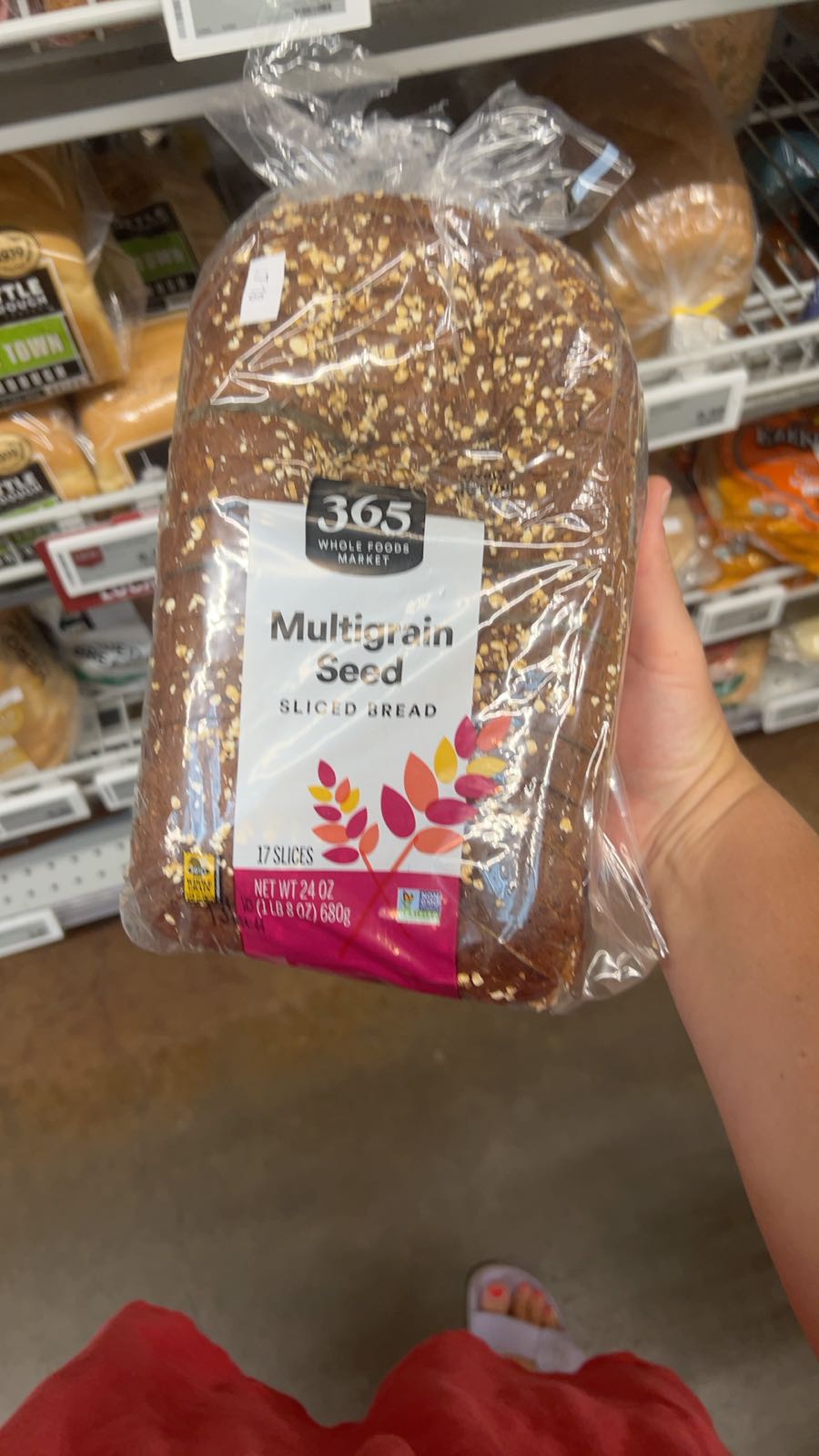

Whole Foods Market Multigrain Seed Sliced Bread
Whole Foods MarketAnalysis updated August 2026 · How Scout scores
At a glance
Summary
This multigrain seed bread contains a variety of whole grains and seeds, which contribute beneficial nutrients and fiber, supporting heart health and digestion. However, the presence of expeller pressed canola oil, a seed oil high in omega-6 fatty acids, is a concern due to its potential inflammatory effects. The bread is processed, which limits its score, but the overall ingredient quality remains relatively high with minimal additives.
Key ingredients 21
FlaxseedVery Good
An excellent source of omega-3 fatty acids and dietary fiber supporting digestive and heart health.
See more about Flaxseed →Steel Cut OatsGood
Provides whole grain fiber and beta-glucan, which supports heart health and stable energy levels.
Steel Cut WheatGood
A whole grain source offering dietary fiber, vitamins, and minerals.
Sunflower SeedGood
Rich in healthy fats, vitamin E, and plant-based protein.
See more about Sunflower Seed →Millet SeedGood
A nutrient-dense ancient grain that is naturally gluten-free and easily digestible.
Rye FlakesGood
Whole grain rye flakes provide unique fibers and beneficial nutrients for satiety.
Whole Triticale FlakesGood
A hybrid grain offering a rich profile of dietary fiber and essential minerals.
Pumpkin SeedGood
Provides magnesium, zinc, and healthy fats that support immune function.
Steel Cut BuckwheatGood
A pseudo-cereal high in antioxidants and quality plant protein.
Whole Oat FlakesGood
Whole grain oats provide sustained energy and soluble fiber.
Whole Wheat FlourGood
Retains the bran and germ, offering significantly more fiber and nutrients than refined flour.
See more about Whole Wheat Flour →Ascorbic AcidGood
Vitamin C — beneficial even when serving as a preservative.
See more about Ascorbic Acid →Poppy SeedNeutral
Used in small amounts for texture and nutty flavor.
CornmealNeutral
A standard milled corn product used for texture and structure.
See more about Cornmeal →WaterNeutral
Essential hydrator and processing aid.
See more about Water →Raisin Juice ConcentrateNeutral
Used as a natural sweetener and moisture retainer derived from fruit.
Cultured Wheat FlourNeutral
Used as a natural preservative through fermentation.
See more about Cultured Wheat Flour →Distilled White VinegarNeutral
Used for pH adjustment and natural preservation.
See more about Distilled White Vinegar →EnzymesNeutral
Processing aids naturally occurring or derived to improve dough handling and texture.
See more about Enzymes →Unbleached Enriched Wheat FlourBad
Processed additive flagged under Scout's ingredient doctrine.
See more about Unbleached Enriched Wheat Flour →Expeller Pressed Canola OilVery Bad
A refined seed oil high in omega-6 fatty acids, classified as very bad due to processing and potential inflammatory concerns.
See more about Expeller Pressed Canola Oil →Processing
Processed Foods
Get the full breakdown in the Scout appTake Scout shopping
Scan any product to see lab results, healthy alternatives, and your personalized analysis.
Download on theApp Store GET IT ONGoogle PlayAmazon pricing & content
Amazon price as of . Product prices and availability are accurate as of the date/time indicated and are subject to change. Any price and availability information displayed on Amazon.com at the time of purchase will apply to the purchase of this product.
CERTAIN CONTENT THAT APPEARS ON THIS SITE COMES FROM AMAZON. THIS CONTENT IS PROVIDED “AS IS” AND IS SUBJECT TO CHANGE OR REMOVAL AT ANY TIME.