
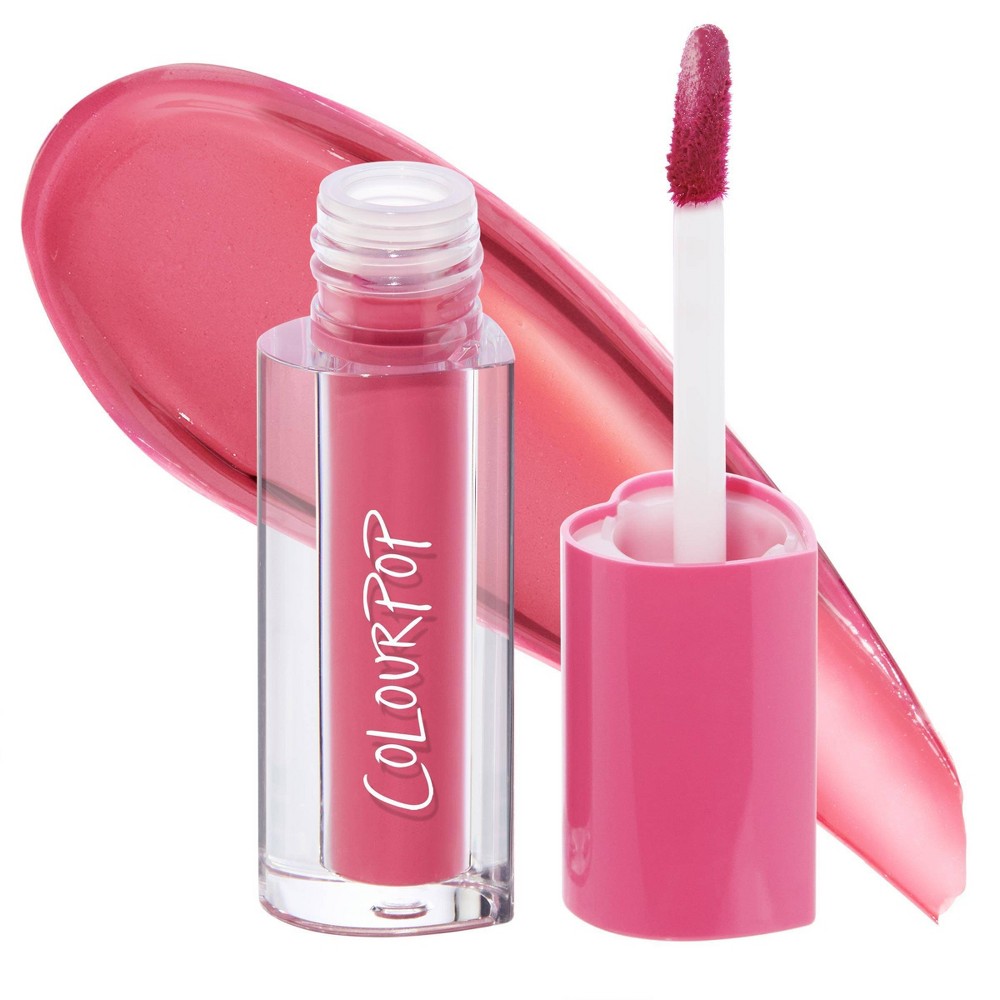


ColourPop HydraPop Glossy Lip Stain - Mantra - 0.11 fl oz: Moisturizing, Tube, Lip Gloss
Analysis updated September 2026 · How Scout scores
At a glance
Summary
This lip gloss contains beneficial ingredients like glycerin and squalane, which provide moisturizing and protective benefits. However, the presence of alcohol, which can be drying and irritating to the lips, along with synthetic colorants and other synthetic compounds, lowers its overall safety profile. The product is moderately processed with a mix of natural and synthetic ingredients, which impacts its rating.
Key ingredients 38
SqualaneVery Good
Squalane is a highly effective moisturizer that mimics the skin's natural oils. It is known for its ability to hydrate and protect the skin without leaving a greasy residue.
Risks
There are no significant risks associated with squalane.
Benefits
It provides excellent hydration and helps in maintaining the skin's moisture barrier.
GlycerinGood
Glycerin is a humectant that attracts moisture to the skin, helping to keep lips hydrated. It is widely used in cosmetics for its moisturizing properties.
Risks
There are no significant risks associated with glycerin.
Benefits
It helps in keeping the lips hydrated and moisturized.
Caprylic/Capric TriglycerideGood
Caprylic/Capric Triglyceride is a mixed triester derived from coconut oil and glycerin. It is used as an emollient and helps in moisturizing the skin.
Risks
There are no significant risks associated with this ingredient.
Benefits
It provides excellent emollient properties and helps in moisturizing the skin.
Psidium Guajava Fruit ExtractGood
Psidium Guajava Fruit Extract is rich in antioxidants and vitamins, providing skin-nourishing benefits. It is used for its potential anti-aging and skin-brightening properties.
Risks
There are no significant risks associated with this ingredient.
Benefits
It provides antioxidant benefits and helps in nourishing the skin.
Litchi Chinensis Fruit ExtractGood
Litchi Chinensis Fruit Extract is known for its antioxidant properties and is used to protect the skin from environmental stressors. It helps in maintaining skin health and vitality.
Risks
There are no significant risks associated with this ingredient.
Benefits
It provides antioxidant protection and helps in maintaining skin health.
WaterNeutral
Water is a common solvent used in cosmetics to dissolve other ingredients. It helps in the application and spreadability of the product.
Risks
There are no significant risks associated with water in cosmetics.
Benefits
Water helps in hydrating the skin and is essential for the formulation of many cosmetic products.
Bis-Diglyceryl Polyacyladipate-2Neutral
This ingredient is an emollient that provides a smooth application and helps in moisturizing the lips. It is commonly used in lip products for its texture-enhancing properties.
Risks
There are no significant risks associated with this ingredient.
Benefits
It helps in providing a smooth and moisturizing feel to the lips.
Diisostearyl MalateNeutral
Diisostearyl Malate is used as an emollient and texture enhancer in lip products. It provides a glossy finish and improves the spreadability of the product.
Risks
There are no significant risks associated with this ingredient.
Benefits
It enhances the texture and provides a glossy finish to lip products.
Trimethyl Pentaphenyl TrisiloxaneNeutral
This silicone-based ingredient is used to provide a smooth application and enhance the shine of lip products. It is commonly used for its non-greasy feel.
Risks
There are no significant risks associated with this ingredient.
Benefits
It provides a smooth, non-greasy application and enhances shine.
AlcoholNeutral
Standard formulation ingredient — neither beneficial nor harmful at typical use.
Risks
Prolonged use can lead to dryness and irritation, especially on sensitive skin.
Benefits
It acts as a solvent and helps in the quick drying of the product.
VP/Hexadecene CopolymerNeutral
This ingredient is used as a film-forming agent to provide long-lasting wear in lip products. It helps in adhering the product to the lips.
Risks
There are no significant risks associated with this ingredient.
Benefits
It provides long-lasting wear and helps the product adhere to the lips.
PolybuteneNeutral
Polybutene is used as a binder and film-former in cosmetics. It helps in providing a glossy finish and improves the texture of lip products.
Risks
There are no significant risks associated with this ingredient.
Benefits
It enhances the texture and provides a glossy finish to lip products.
Butylene GlycolNeutral
Butylene Glycol is used as a solvent and conditioning agent in cosmetics. It helps in improving the texture and spreadability of the product.
Risks
There are no significant risks associated with this ingredient.
Benefits
It improves the texture and spreadability of the product.
Glyceryl StearateNeutral
Glyceryl Stearate is an emulsifier that helps in blending water and oils in formulations. It provides a smooth texture to the product.
Risks
There are no significant risks associated with this ingredient.
Benefits
It helps in creating a smooth texture and stabilizes the formulation.
PEG-100 StearateNeutral
PEG-100 Stearate is an emulsifier that helps in blending ingredients in cosmetic formulations. It provides a smooth texture to the product.
Risks
There are no significant risks associated with this ingredient.
Benefits
It helps in creating a smooth texture and stabilizes the formulation.
Behenyl AlcoholNeutral
Behenyl Alcohol is a fatty alcohol used as an emollient and thickener in cosmetics. It provides a creamy texture and helps in moisturizing the skin.
Risks
There are no significant risks associated with this ingredient.
Benefits
It provides a creamy texture and helps in moisturizing the skin.
Hydroxyethyl Acrylate/Sodium Acryloyldimethyl Taurate CopolymerNeutral
This copolymer is used as a thickening agent and stabilizer in cosmetic formulations. It helps in improving the texture and consistency of the product.
Risks
There are no significant risks associated with this ingredient.
Benefits
It improves the texture and consistency of the product.
EthylcelluloseNeutral
Ethylcellulose is used as a film-former and thickener in cosmetics. It helps in providing a smooth application and enhances the texture of the product.
Risks
There are no significant risks associated with this ingredient.
Benefits
It provides a smooth application and enhances the texture of the product.
HydroxyethylcelluloseNeutral
Hydroxyethylcellulose is used as a thickening agent in cosmetics. It helps in improving the texture and consistency of the product.
Risks
There are no significant risks associated with this ingredient.
Benefits
It improves the texture and consistency of the product.
Gellan GumNeutral
Gellan Gum is used as a thickening and stabilizing agent in cosmetics. It helps in maintaining the consistency of the product.
Risks
There are no significant risks associated with this ingredient.
Benefits
It stabilizes formulations and maintains product consistency.
Tridecyl TrimellitateNeutral
Tridecyl Trimellitate is used as an emollient and film-former in lip products. It provides a smooth application and enhances the texture of the product.
Risks
There are no significant risks associated with this ingredient.
Benefits
It provides a smooth application and enhances the texture of the product.
Sorbitan IsostearateNeutral
Sorbitan Isostearate is an emulsifier used to stabilize formulations containing both water and oil. It helps in maintaining the consistency of the product.
Risks
There are no significant risks associated with this ingredient.
Benefits
It stabilizes formulations and maintains product consistency.
Ethylhexyl PalmitateNeutral
Ethylhexyl Palmitate is used as an emollient and texture enhancer in cosmetics. It provides a smooth application and enhances the texture of the product.
Risks
There are no significant risks associated with this ingredient.
Benefits
It provides a smooth application and enhances the texture of the product.
SilicaNeutral
Silica is used as a thickening agent and absorbent in cosmetics. It helps in improving the texture and mattifying the product.
Risks
There are no significant risks associated with this ingredient.
Benefits
It improves the texture and provides a mattifying effect.
Silica Dimethyl SilylateNeutral
Silica Dimethyl Silylate is used as a thickening agent and provides a silky texture to cosmetics. It helps in improving the spreadability and feel of the product.
Risks
There are no significant risks associated with this ingredient.
Benefits
It provides a silky texture and improves the spreadability of the product.
Disodium PhosphateNeutral
Disodium Phosphate is used as a buffering agent in cosmetics to maintain the pH balance. It helps in stabilizing the formulation.
Risks
There are no significant risks associated with this ingredient.
Benefits
It helps in maintaining the pH balance and stabilizes the formulation.
HydroxyacetophenoneNeutral
Hydroxyacetophenone is used as an antioxidant and preservative booster in cosmetics. It helps in enhancing the stability and shelf life of the product.
Risks
There are no significant risks associated with this ingredient.
Benefits
It enhances the stability and shelf life of the product.
Blue 1 (CI 42090)Neutral
Blue 1 is a synthetic dye used to impart color to cosmetics. It is approved for use in cosmetics and personal care products.
Risks
There are no significant risks associated with this ingredient when used within regulatory limits.
Benefits
It provides vibrant color to cosmetic products.
Red 22 (CI 45380)Neutral
Red 22 is a synthetic dye used to impart color to cosmetics. It is approved for use in cosmetics and personal care products.
Risks
There are no significant risks associated with this ingredient when used within regulatory limits.
Benefits
It provides vibrant color to cosmetic products.
Red 33 (CI 17200)Neutral
Red 33 is a synthetic dye used to impart color to cosmetics. It is approved for use in cosmetics and personal care products.
Risks
There are no significant risks associated with this ingredient when used within regulatory limits.
Benefits
It provides vibrant color to cosmetic products.
Red 40 (CI 16035)Neutral
Red 40 is a synthetic dye used to impart color to cosmetics. It is approved for use in cosmetics and personal care products.
Risks
There are no significant risks associated with this ingredient when used within regulatory limits.
Benefits
It provides vibrant color to cosmetic products.
Titanium Dioxide (CI 77891)Neutral
Titanium Dioxide is used as a pigment and UV filter in cosmetics. It provides opacity and sun protection to the product.
Risks
There are no significant risks associated with this ingredient when used within regulatory limits.
Benefits
It provides opacity and sun protection to cosmetic products.
Polysorbate 60Bad
Processed additive flagged under Scout's ingredient doctrine.
Risks
There are no significant risks associated with this ingredient.
Benefits
It stabilizes formulations and maintains product consistency.
PhenoxyethanolBad
Processed additive flagged under Scout's ingredient doctrine.
Risks
In rare cases, it can cause skin irritation, especially in sensitive individuals.
Benefits
It helps in preserving the product by preventing microbial growth.
Sodium SaccharinBad
Processed additive flagged under Scout's ingredient doctrine.
Risks
There are no significant risks associated with this ingredient.
Benefits
It enhances the taste of lip products.
Disodium EDTABad
Processed additive flagged under Scout's ingredient doctrine.
Risks
There are no significant risks associated with this ingredient.
Benefits
It improves the stability and shelf life of the product.
Sodium PhosphateBad
Processed additive flagged under Scout's ingredient doctrine.
Risks
There are no significant risks associated with this ingredient.
Benefits
It helps in maintaining the pH balance and stabilizes the formulation.
Yellow 5 (CI 19140)Very Bad
Heavily flagged ingredient class under Scout's doctrine.
Risks
There are no significant risks associated with this ingredient when used within regulatory limits.
Benefits
It provides vibrant color to cosmetic products.
Get the full breakdown in the Scout appTake Scout shopping
Scan any product to see lab results, healthy alternatives, and your personalized analysis.
Download on theApp Store GET IT ONGoogle Play