
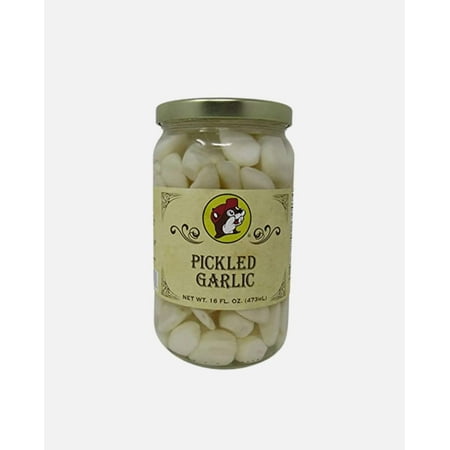
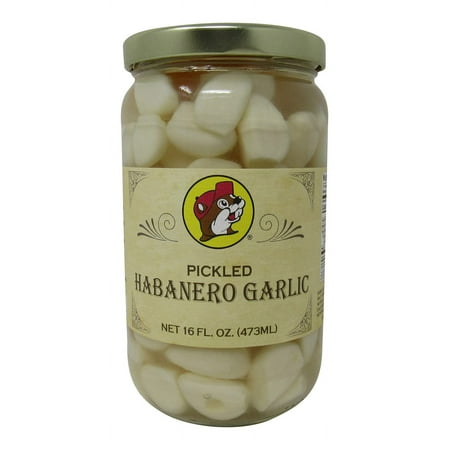

Buc-ee s Pickled Garlic
Analysis updated August 2026 · How Scout scores
At a glance
Summary
This pickled garlic product contains beneficial ingredients like garlic cloves and vinegar, which offer health benefits such as antimicrobial properties and potential cardiovascular support. However, the presence of refined sugar, natural flavors, and sodium metabisulfite introduces concerns due to their potential health impacts and processing level. The product is moderately processed, which limits its score despite some positive ingredients.
Key ingredients 9
Garlic ClovesGood
Garlic is known for its potential health benefits, including antimicrobial and cardiovascular support. It contains allicin, which may help reduce cholesterol levels and blood pressure. Fresh garlic cloves are minimally processed, retaining most of their beneficial compounds.
Risks
Some individuals may experience digestive discomfort or allergic reactions to garlic.
Benefits
Rich in antioxidants and sulfur compounds that may support immune function and cardiovascular health.
VinegarGood
Vinegar is a fermented product that can aid digestion and provide antimicrobial properties. It is often used as a preservative due to its acidic nature. The acetic acid in vinegar may help regulate blood sugar levels.
Risks
Excessive consumption may lead to enamel erosion or digestive discomfort.
Benefits
May aid in digestion and help maintain stable blood sugar levels.
WaterNeutral
Water is used as a solvent and carrier in food products. It is essential for dissolving and distributing other ingredients evenly. As a basic component, it does not contribute additional nutritional value.
See more about Water →SaltNeutral
Salt is used for flavor enhancement and preservation in food products. It is a common culinary ingredient but does not provide additional health benefits beyond sodium content. Excessive intake can lead to health issues such as hypertension.
Risks
High sodium intake is associated with increased risk of hypertension and cardiovascular diseases.
Benefits
Essential for maintaining fluid balance and nerve function in the body.
Habanero PepperNeutral
Habanero peppers add heat and flavor to food products. They contain capsaicin, which may have metabolic and pain-relief benefits. However, they are used in small quantities and do not significantly impact nutritional value.
Risks
May cause digestive discomfort or irritation in sensitive individuals.
Benefits
Capsaicin in peppers may boost metabolism and provide anti-inflammatory effects.
Calcium ChlorideNeutral
Calcium chloride is used as a firming agent in pickled products. It helps maintain texture and crispness without adding significant nutritional value. It is generally recognized as safe when used in food processing.
Benefits
Helps maintain the texture and firmness of pickled products.
SugarBad
Refined sugar is added for sweetness but offers no nutritional benefits. It can contribute to weight gain and metabolic disorders when consumed in excess. The presence of sugar in pickled products is primarily for flavor balance.
Risks
Excessive sugar intake is linked to obesity, type 2 diabetes, and dental cavities.
Natural Flavors and SpicesBad
Natural flavors are often used to enhance taste but lack transparency in their composition. They can include a variety of compounds, some of which may be heavily processed. The term 'natural' does not guarantee health benefits or minimal processing.
Risks
Potential allergens or sensitivities due to undisclosed components.
Sodium MetabisulfiteBad
Sodium metabisulfite is a preservative that prevents oxidation and spoilage. It can cause allergic reactions or sensitivities in some individuals, particularly those with asthma. Its use is regulated due to potential health concerns.
Risks
May cause allergic reactions or respiratory issues in sensitive individuals.
Benefits
Extends shelf life by preventing spoilage and oxidation.
Processing
Processed Foods
Get the full breakdown in the Scout appTake Scout shopping
Scan any product to see lab results, healthy alternatives, and your personalized analysis.
Download on theApp Store GET IT ONGoogle PlayAmazon pricing & content
Amazon price as of . Product prices and availability are accurate as of the date/time indicated and are subject to change. Any price and availability information displayed on Amazon.com at the time of purchase will apply to the purchase of this product.
CERTAIN CONTENT THAT APPEARS ON THIS SITE COMES FROM AMAZON. THIS CONTENT IS PROVIDED “AS IS” AND IS SUBJECT TO CHANGE OR REMOVAL AT ANY TIME.