


At a glance
Summary
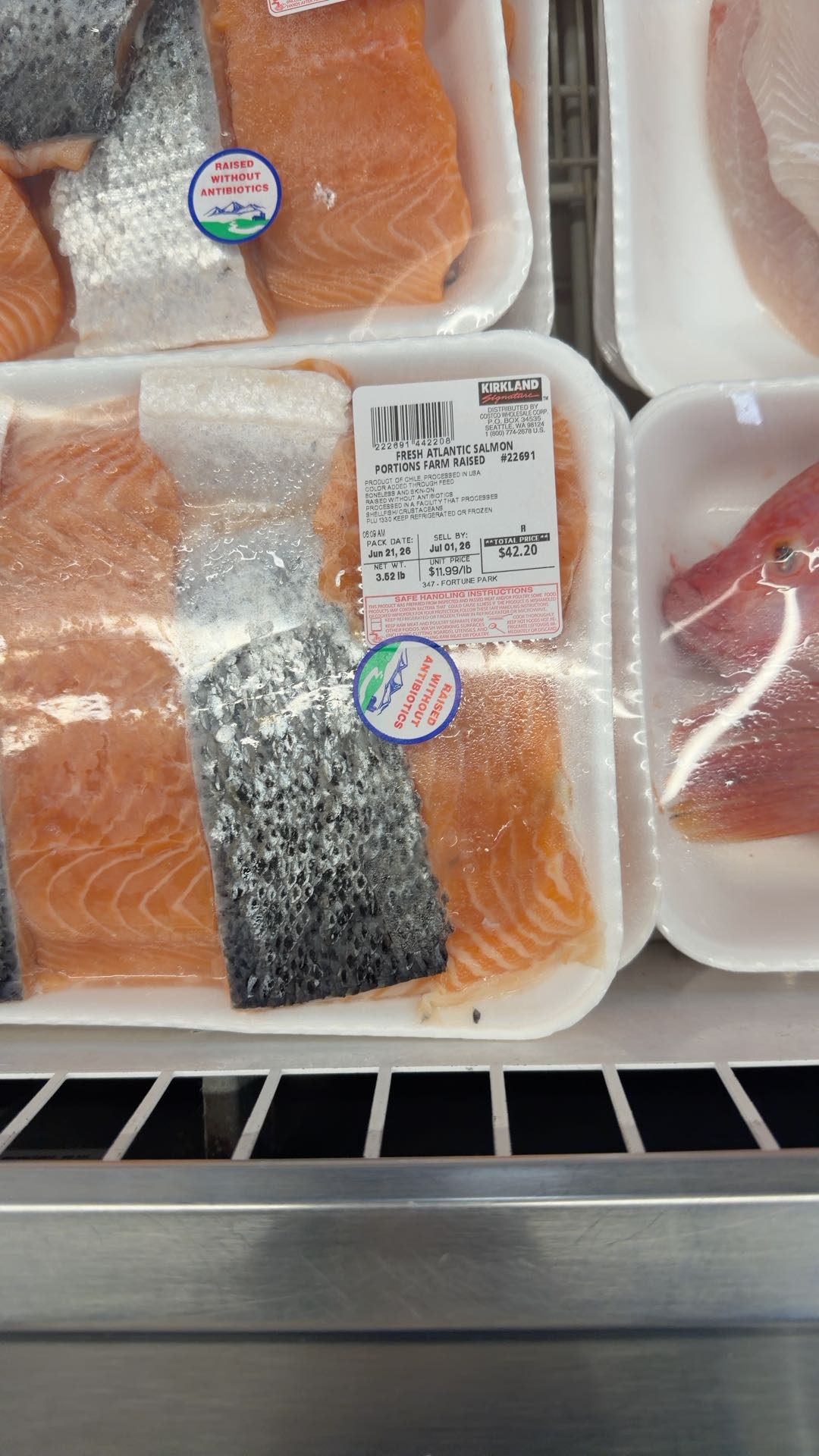
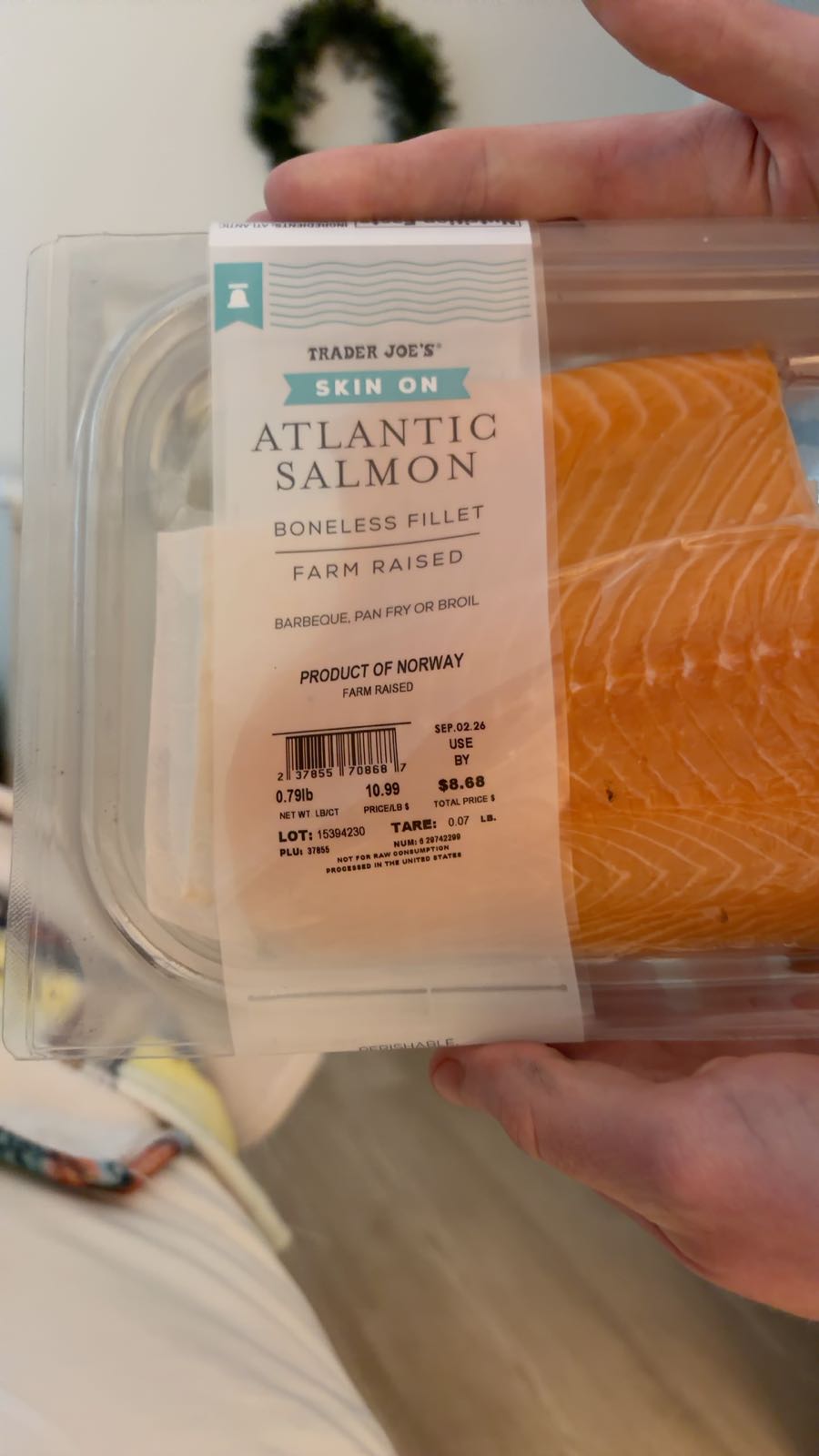
The product contains Atlantic salmon, which is a high-quality source of protein and omega-3 fatty acids, beneficial for heart and brain health. However, the presence of added color, which may include artificial dyes, raises concerns about potential health risks such as allergic reactions and hyperactivity. The processing level is moderate due to the inclusion of additives, which slightly reduces the overall score.
Key ingredients 4
Atlantic salmonGood
Atlantic salmon is a high-quality source of protein and omega-3 fatty acids, which are beneficial for heart and brain health. It is typically farmed, which can raise concerns about environmental impact and potential contaminants. However, it remains a nutrient-dense food with significant health benefits.
Risks
Potential risks include exposure to contaminants like PCBs and dioxins, especially in farmed salmon.
Benefits
Rich in omega-3 fatty acids, which support cardiovascular health and reduce inflammation. Provides high-quality protein and essential nutrients like vitamin D and selenium.
WaterNeutral
Water is used as a processing aid and does not contribute significant nutritional value. It is a neutral ingredient with no direct health impacts. Its presence is primarily for maintaining moisture and texture in the product.
See more about Water →SaltNeutral
Salt is used for flavor enhancement and preservation. It is a common culinary ingredient but can contribute to high sodium intake if consumed in excess. The type of salt used is not specified, which may affect its mineral content.
Risks
Excessive consumption can lead to high blood pressure and increased risk of cardiovascular diseases.
Benefits
Provides essential sodium for electrolyte balance and nerve function.
Color addedBad
The use of added color suggests artificial or synthetic dyes, which can be a concern for some consumers. Artificial colors may have potential health risks, including allergic reactions and hyperactivity in sensitive individuals. The specific type of colorant is not disclosed, limiting the ability to assess its safety.
Risks
Potential risks include allergic reactions and behavioral effects in sensitive individuals.
Processing
Processed Foods
Get the full breakdown in the Scout appTake Scout shopping
Scan any product to see lab results, healthy alternatives, and your personalized analysis.
Download on theApp Store GET IT ONGoogle Play