


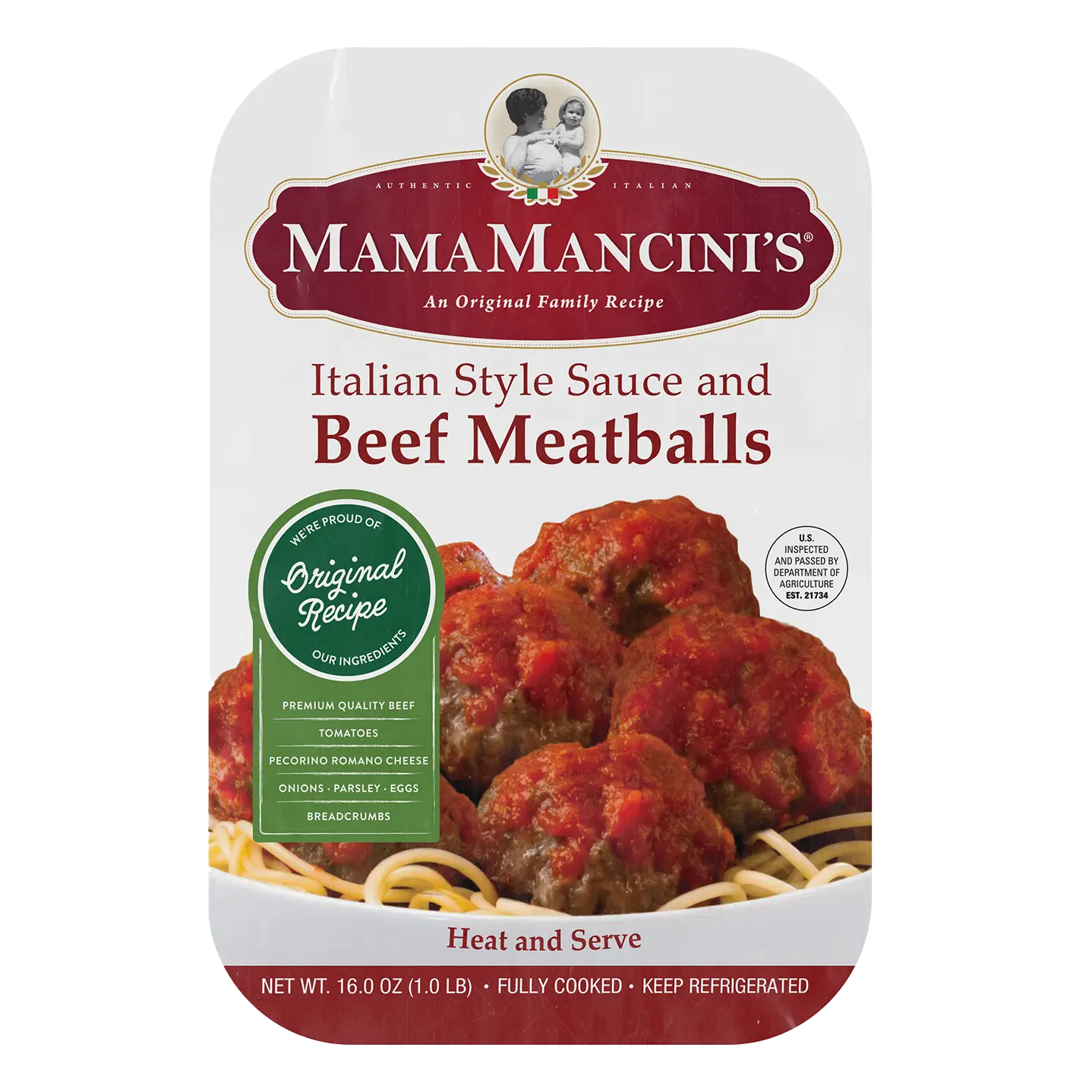

At a glance
Summary
The Irish Beef Meatballs are primarily composed of beef, which is a positive aspect, but the product includes several processed ingredients such as rice flour, tapioca starch, and yeast extract. These additives contribute to a higher level of processing, which limits the health score. While the ingredient list is relatively short and lacks harmful additives like artificial colors or seed oils, the presence of processed components prevents it from achieving a top-tier rating.
Key ingredients 10
Black PepperGood
Beneficial ingredient — whole-food or functional value in this product class.
Benefits
May have antioxidant properties due to the presence of piperine.
BeefNeutral
Beef is a rich source of protein and essential nutrients like iron and B vitamins. The quality of beef can vary based on factors such as feed and farming practices, but no specific quality indicators are provided here. It is a staple protein source but should be consumed in moderation due to potential saturated fat content.
Risks
Excessive consumption of beef may contribute to increased cholesterol levels and heart disease risk.
Benefits
Provides high-quality protein and essential nutrients such as iron and vitamin B12.
Rice FlourNeutral
Rice flour is a gluten-free alternative to wheat flour, often used in processed foods. It is made by milling rice grains into a fine powder. While it is a good option for those with gluten intolerance, it lacks significant nutritional benefits.
Benefits
Suitable for gluten-free diets and provides a source of carbohydrates.
WaterNeutral
Water is used as a processing aid and does not contribute nutritional value. It is essential for hydration and processing but does not impact the nutritional profile of the product. Its presence is standard in many food products.
Benefits
Essential for hydration and processing, but does not provide nutritional benefits.
Tapioca StarchNeutral
Tapioca starch is a gluten-free thickening agent derived from cassava root. It is commonly used to improve texture in processed foods. While it is a useful ingredient for texture, it offers minimal nutritional benefits.
Benefits
Provides a gluten-free option for thickening and improving texture in foods.
Gram FlourNeutral
Gram flour, also known as chickpea flour, is a high-protein, gluten-free flour. It is made by grinding chickpeas and is often used in gluten-free baking. While it provides some protein and fiber, it is not a significant source of essential nutrients.
Benefits
Offers a source of plant-based protein and fiber, suitable for gluten-free diets.
SaltNeutral
Salt is used to enhance flavor and preserve food. It is a common ingredient in processed foods but does not provide additional nutritional benefits. Excessive intake can lead to health issues such as hypertension.
Risks
High sodium intake can contribute to hypertension and cardiovascular disease.
Benefits
Enhances flavor and acts as a preservative in food products.
Dried GarlicNeutral
Dried garlic is used for flavoring and may have some health benefits due to its sulfur compounds. It is a common culinary ingredient with potential antimicrobial properties. However, its nutritional impact is limited in small amounts.
Benefits
May offer antimicrobial benefits and enhance flavor in dishes.
DextroseBad
Refined added sugar.
Risks
Excessive consumption can lead to spikes in blood sugar levels and contribute to metabolic disorders.
Benefits
Provides a quick source of energy due to its rapid absorption.
Yeast ExtractBad
Concentrated glutamate source — MSG-adjacent flavor enhancer.
Benefits
Enhances flavor and provides umami taste in food products.
Processing
Processed Foods
Get the full breakdown in the Scout appTake Scout shopping
Scan any product to see lab results, healthy alternatives, and your personalized analysis.
Download on theApp Store GET IT ONGoogle Play