

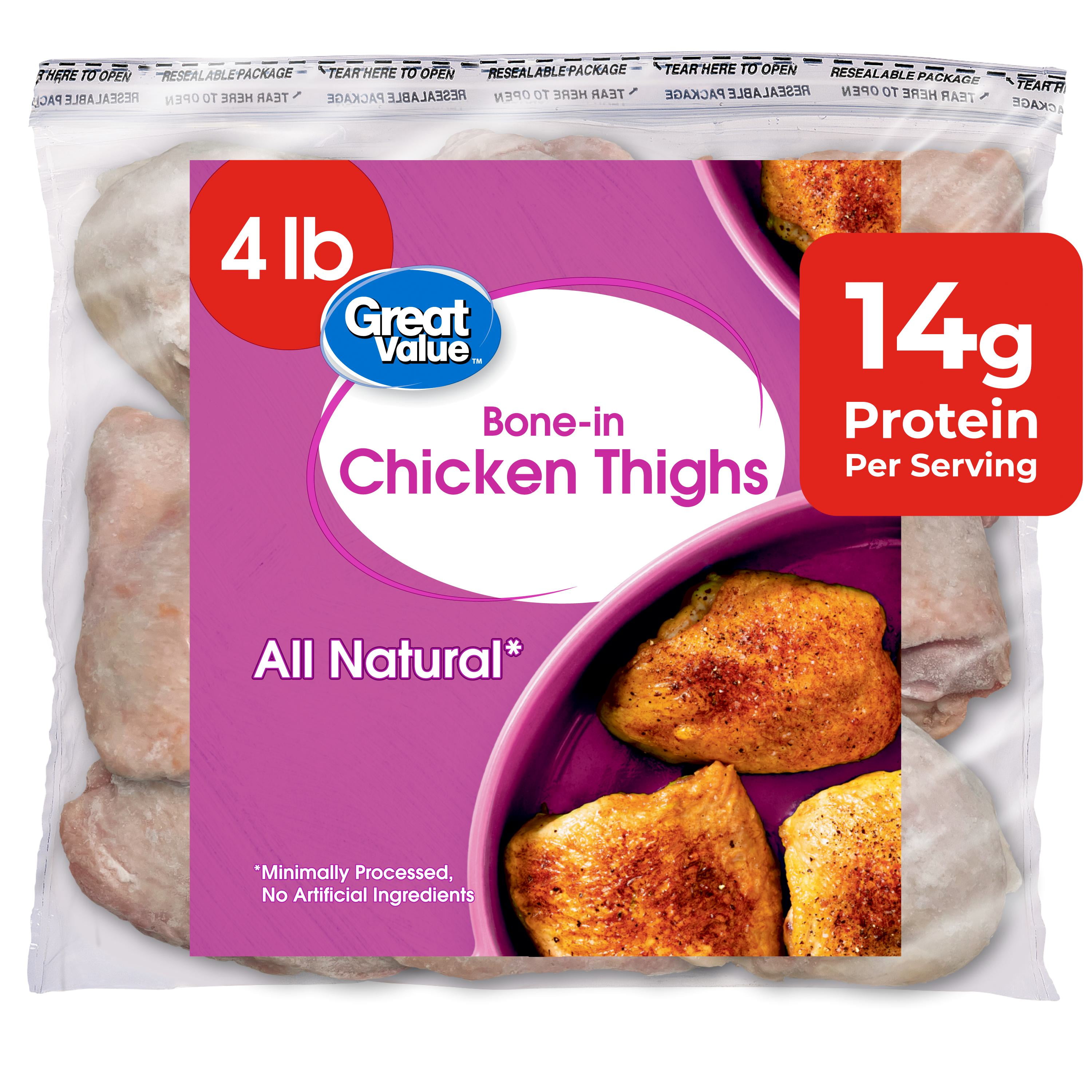
Grilled Teriyaki Chicken Thigh Strips

Good & Gather
60 Fair
View on Amazon

Near you

Good & Gather is carried at Target stores. Find one within 25 miles.

Summary

This product is ultra-processed, which limits its potential health score despite containing some beneficial ingredients like garlic powder, onion powder, and sesame seeds. The presence of sugar, brown sugar, and caramel color contributes to its lower rating due to their refined nature and lack of nutritional benefits. Additionally, the use of 'natural flavors' adds to the concerns about ingredient transparency and overall processing level.

At a glance

Beneficial ingredients 6
Harmful ingredients 4
Owned by Target Corporation
Category Meat And Seafood

Key ingredients 18

Boneless Skinless Chicken Thigh
Neutral

Chicken thigh is a source of high-quality animal protein. It provides essential amino acids necessary for muscle repair and growth. However, it lacks the lean profile of chicken breast, containing more fat.

Risks

Higher fat content compared to chicken breast may not be suitable for low-fat diets.

Benefits

Rich in protein and essential nutrients like B vitamins and minerals.

Water
Neutral

Water is used as a solvent and to maintain moisture in food products. It is a neutral ingredient with no direct nutritional impact. Its presence helps in the distribution of flavors and seasonings.

See more about Water →
Garlic Powder
Good

Garlic powder is derived from dehydrated garlic and retains many of its health benefits. It contains compounds like allicin, which may support heart health. It adds flavor without the need for additional salt.

Benefits

May have antioxidant properties and support cardiovascular health.

See more about Garlic Powder →
Onion Powder
Good

Onion powder is made from dehydrated onions and provides flavor and potential health benefits. It contains antioxidants that may support immune function. It is a convenient way to add onion flavor without chopping fresh onions.

Benefits

Contains antioxidants that may support immune health.

See more about Onion Powder →
Salt
Neutral

Salt is used to enhance flavor and preserve food. While necessary in small amounts for bodily functions, excessive intake can lead to health issues. It is a common ingredient in processed foods.

Risks

Excessive consumption can lead to hypertension and cardiovascular issues.

Benefits

Essential for maintaining fluid balance and nerve function.

See more about Salt →
Vinegar
Neutral

Vinegar is used for flavoring and as a preservative. It is acidic and can help balance flavors in dishes. It has minimal nutritional impact in small quantities.

Benefits

May aid in digestion and provide antimicrobial properties.

See more about Vinegar →
Black Pepper
Good

Black pepper is a spice that adds flavor and has potential health benefits. It contains piperine, which may enhance nutrient absorption. It is used in small amounts and contributes to the overall flavor profile.

Benefits

May enhance nutrient absorption and has antioxidant properties.

See more about Black Pepper →
Natural Flavors
Bad

Natural flavors are used to enhance taste but lack transparency in their composition. They can contain a variety of compounds, some of which may be synthetic. This lack of clarity can be concerning for consumers seeking clean labels.

Risks

Potential allergens or synthetic compounds may be present without clear labeling.

See more about Natural Flavors →
Sugar
Bad

Sugar is a refined carbohydrate that provides quick energy but lacks essential nutrients. Excessive consumption is linked to various health issues, including obesity and diabetes. It is often used to enhance sweetness in processed foods.

Risks

High intake can lead to obesity, insulin resistance, and dental cavities.

Benefits

Provides quick energy but should be consumed in moderation.

See more about Sugar →
Soy Sauce
Neutral

Soy sauce is a fermented condiment made from soybeans, wheat, and salt. It adds umami flavor to dishes but is high in sodium. Fermentation may provide some probiotic benefits, though these are minimal in small quantities.

Risks

High sodium content can contribute to hypertension if consumed in excess.

Benefits

Adds umami flavor and may contain minimal probiotic benefits.

Brown Sugar
Bad

Brown sugar is a refined sugar with molasses added for flavor. It provides calories without essential nutrients and can contribute to health issues when consumed excessively. It is often used to enhance sweetness and color in foods.

Risks

Excessive consumption can lead to weight gain and metabolic disorders.

Benefits

Provides sweetness and a distinct flavor profile.

See more about Brown Sugar →
Corn Starch
Neutral

Corn starch is a carbohydrate used as a thickening agent in foods. It is highly processed and provides no significant nutritional value. It is commonly used in sauces and gravies to improve texture.

See more about Corn Starch →
Caramel Color
Bad

Caramel color is a food coloring agent used to give a brown hue to products. It is created through the controlled heating of carbohydrates, which can produce undesirable compounds. Its use is primarily aesthetic, with no nutritional benefits.

Risks

May contain compounds like 4-MEI, which have raised health concerns.

See more about Caramel Color →
Ginger Puree
Good

Ginger puree is made from fresh ginger and retains its natural health benefits. It contains gingerol, which has anti-inflammatory and antioxidant properties. It adds flavor and potential health benefits to dishes.

Benefits

May aid digestion and reduce nausea.

Sesame Seeds
Good

Sesame seeds are a source of healthy fats, protein, and minerals like calcium and magnesium. They add texture and flavor to dishes and may support heart health. Their nutrient density makes them a beneficial addition to foods.

Risks

Potential allergen for some individuals.

Benefits

Rich in healthy fats and minerals, supporting overall health.

See more about Sesame Seeds →
Citric Acid
Neutral

Citric acid is a natural preservative and flavor enhancer found in citrus fruits. It is used to add acidity and preserve freshness in foods. It is generally recognized as safe when used in food products.

Benefits

May enhance flavor and preserve freshness.

See more about Citric Acid →
Sesame Seed Oil
Good

Sesame seed oil is a source of healthy fats and antioxidants. It is used for its nutty flavor and potential health benefits, including heart health support. Cold-pressed varieties retain more nutrients and flavor.

Risks

Potential allergen for some individuals.

Benefits

Rich in healthy fats and antioxidants, supporting cardiovascular health.

See more about Sesame Seed Oil →
Xanthan Gum
Neutral

Xanthan gum is a polysaccharide used as a thickening and stabilizing agent in foods. It is produced through fermentation and is widely used in gluten-free products. It has no significant nutritional value but improves texture and consistency.

Risks

May cause digestive issues in sensitive individuals when consumed in large amounts.

Benefits

Improves texture and consistency in food products.

See more about Xanthan Gum →

Processing

Group 4 · Ultra-processed

Ultra-Processed Foods

Get the full breakdown in the Scout app

Scan any product to see lab results, healthy alternatives, and your personalized analysis.

Download on theApp Store