
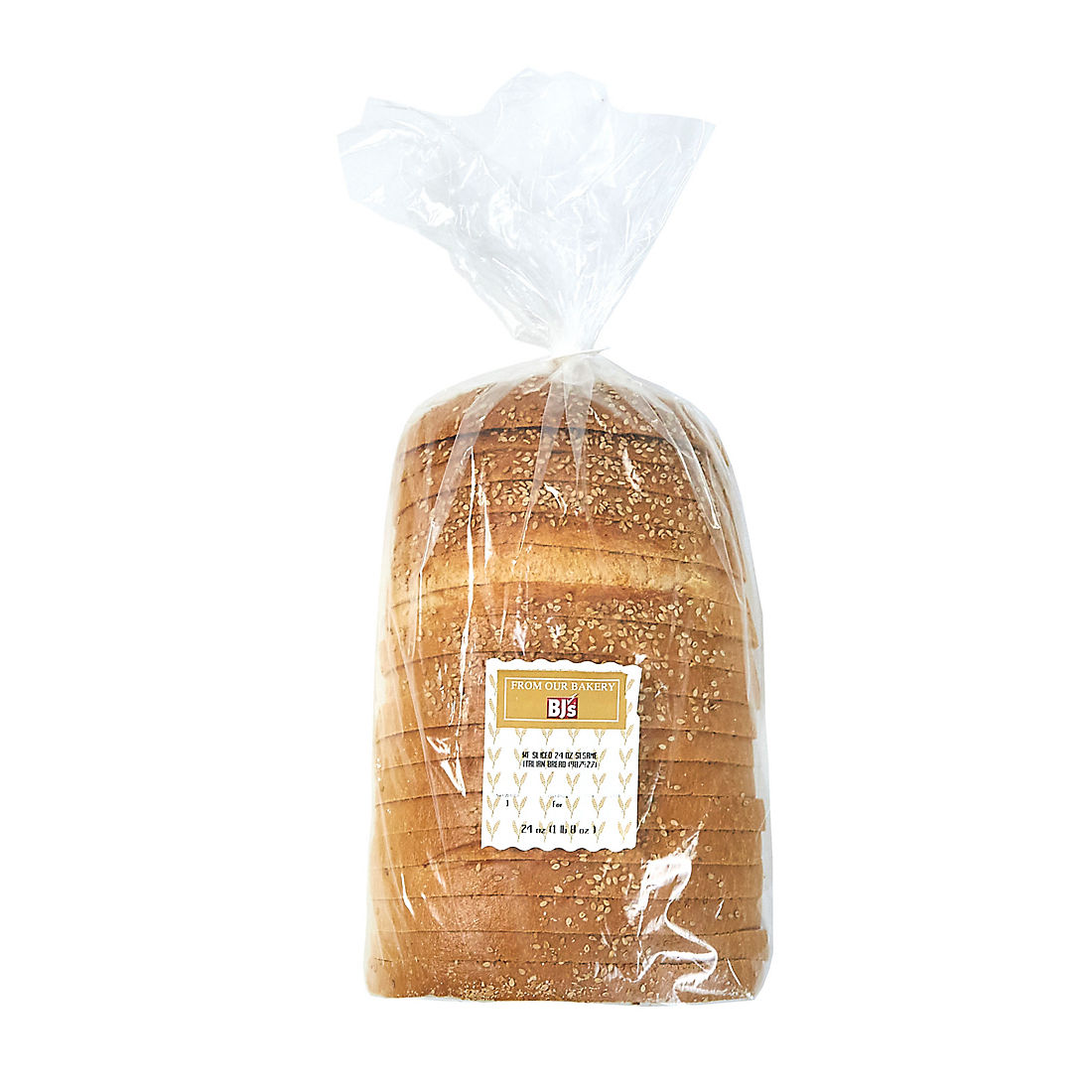


At a glance
Summary
This sesame Italian bread contains beneficial ingredients like sesame seeds and malted wheat flour, which contribute to its nutritional profile. However, the presence of soybean oil, a seed oil high in omega-6 fatty acids, is a significant drawback due to its potential inflammatory effects. Additionally, the bread is processed, which limits its score despite the inclusion of some nutritious components.
Key ingredients 9
NiacinGood
Niacin, or vitamin B3, is an essential nutrient that supports energy metabolism and DNA repair. It is often added to enriched flours to prevent deficiencies. Niacin is crucial for maintaining healthy skin and nerves.
Benefits
Supports energy production and helps maintain healthy skin and nerves.
Sesame SeedsGood
Sesame seeds are a nutrient-dense whole food, providing healthy fats, protein, and minerals like calcium and magnesium. They add texture and flavor to the bread. Their inclusion enhances the nutritional profile of the bread with beneficial compounds like lignans and phytosterols.
Risks
Allergic reactions can occur in individuals with sesame allergies.
Benefits
Rich in healthy fats and minerals, contributing to heart health and bone strength.
Malted Wheat FlourGood
Malted wheat flour is used to enhance flavor and improve the browning of bread crust. It contains enzymes that aid in the fermentation process. This ingredient can improve the nutritional profile by adding some fiber and nutrients.
Benefits
Enhances flavor and nutritional content with additional fiber and nutrients.
Unbromated Unbleached Enriched Wheat FlourNeutral
This flour is enriched with vitamins and minerals, which can help replenish nutrients lost during processing. It is unbromated and unbleached, indicating fewer chemical treatments compared to standard flours. However, it is still a refined flour, lacking the fiber and nutrients of whole grain alternatives.
Risks
Refined flours can contribute to blood sugar spikes and lack the fiber found in whole grains.
Benefits
Enrichment adds back some essential nutrients like iron and B vitamins, which are beneficial for health.
WaterNeutral
Water is a fundamental ingredient in bread making, providing moisture and aiding in the activation of yeast. It is a neutral ingredient with no direct nutritional impact. Its primary role is functional, contributing to the dough's texture and consistency.
Benefits
Essential for dough formation and yeast activation in bread making.
SaltNeutral
Salt is used to enhance flavor and control yeast activity in bread. It is a common culinary ingredient with no significant health benefits. Excessive consumption can lead to health issues like hypertension.
Risks
High sodium intake is associated with increased risk of hypertension and cardiovascular diseases.
Vital Wheat GlutenNeutral
Vital wheat gluten is added to improve the elasticity and texture of bread. It is a concentrated protein derived from wheat. While beneficial for bread structure, it may pose issues for those with gluten sensitivities or celiac disease.
Risks
Can cause adverse reactions in individuals with gluten intolerance or celiac disease.
Benefits
Enhances bread texture and provides a source of protein.
SugarBad
Refined added sugar.
Risks
Excessive sugar intake is linked to obesity, diabetes, and other metabolic disorders.
Soybean OilVery Bad
Soybean oil is a seed oil high in omega-6 fatty acids, which can promote inflammation when consumed in excess. It is often highly processed and refined, which can strip away beneficial nutrients. Its use is discouraged in favor of healthier fat sources like olive oil.
Risks
High omega-6 content may promote inflammation and imbalance omega-3 to omega-6 ratios.
Processing
Processed Foods
Get the full breakdown in the Scout appTake Scout shopping
Scan any product to see lab results, healthy alternatives, and your personalized analysis.
Download on theApp Store GET IT ONGoogle Play