


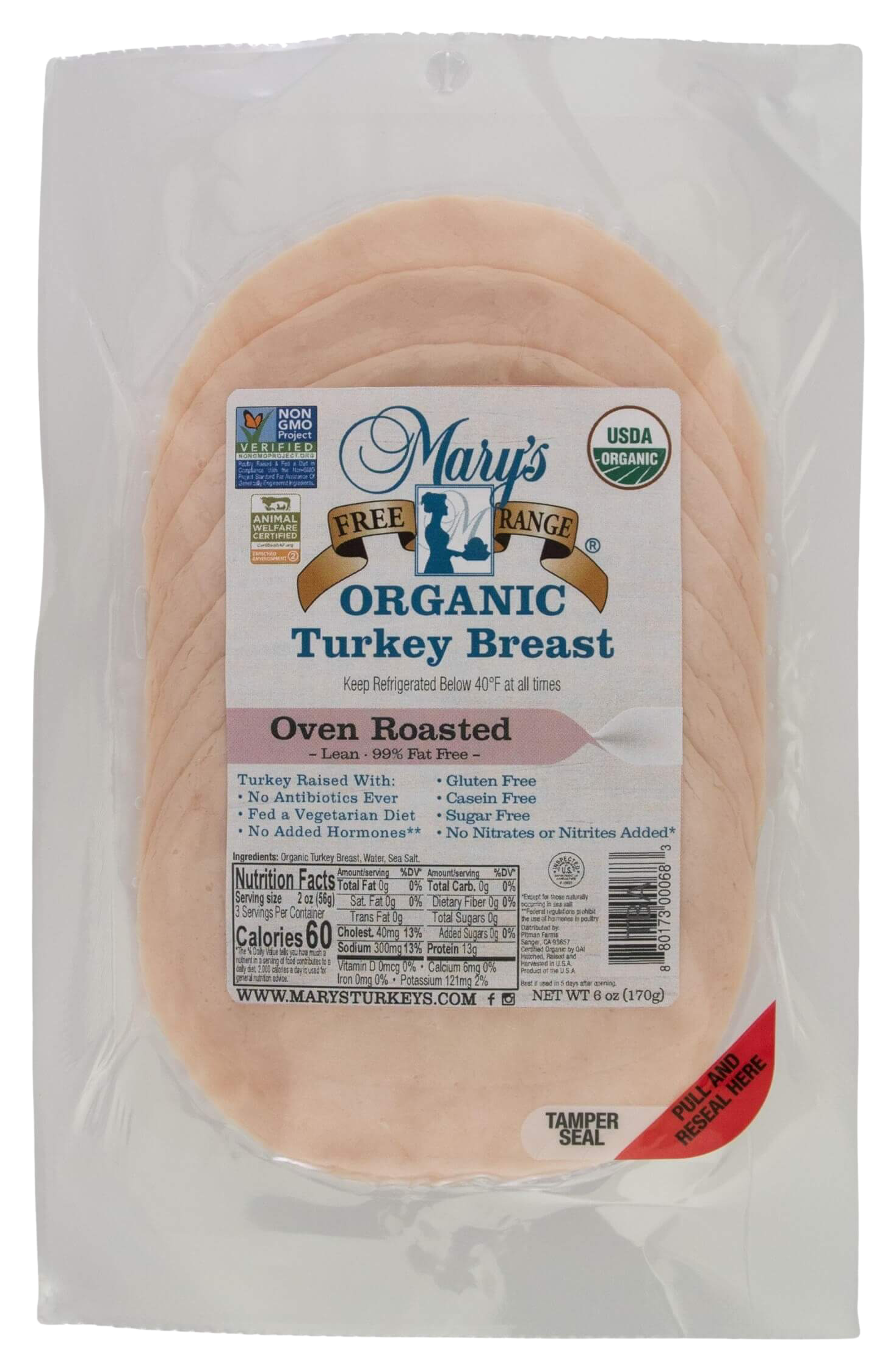


Sliced Roasted Turkey Breast
Analysis updated September 2026 · How Scout scores
At a glance
Summary
This sliced roasted turkey breast is a processed product containing canola oil, which is a seed oil high in omega-6 fatty acids and often highly refined, reducing its nutritional quality. While the turkey breast itself is a lean source of high-quality protein, the presence of canola oil and the processing level limit its overall healthiness. The product's ingredient list is relatively short, but the inclusion of a less beneficial oil impacts its score.
Key ingredients 5
Turkey breastGood
Turkey breast is a lean source of high-quality protein. It provides essential amino acids necessary for muscle repair and growth. As a minimally processed meat, it is a healthier option compared to processed meats.
Benefits
Rich in protein and low in fat, making it a suitable choice for a balanced diet. Provides essential nutrients like B vitamins and selenium.
Black pepperGood
Beneficial ingredient — whole-food or functional value in this product class.
Benefits
May enhance nutrient absorption due to the presence of piperine.
WaterNeutral
Water is used as a processing aid and does not contribute nutritional value. It helps maintain moisture in the product. As a neutral ingredient, it poses no health risks or benefits.
See more about Water →SaltNeutral
Salt is used for flavor enhancement and preservation. It is a common culinary ingredient but should be consumed in moderation to avoid health issues. Excessive intake can lead to high blood pressure and other cardiovascular concerns.
Risks
Excessive consumption can lead to high blood pressure and cardiovascular issues.
Benefits
Provides essential sodium necessary for fluid balance and nerve function.
Canola oilVery Bad
Canola oil is a seed oil high in omega-6 fatty acids, which can promote inflammation when consumed in excess. It is often highly processed and refined, which may reduce its nutritional quality. Compared to healthier fats like olive oil, it is less beneficial.
Risks
High omega-6 content may promote inflammation when consumed in excess.
Processing
Processed Foods
Get the full breakdown in the Scout appTake Scout shopping
Scan any product to see lab results, healthy alternatives, and your personalized analysis.
Download on theApp Store GET IT ONGoogle Play