


At a glance
Summary
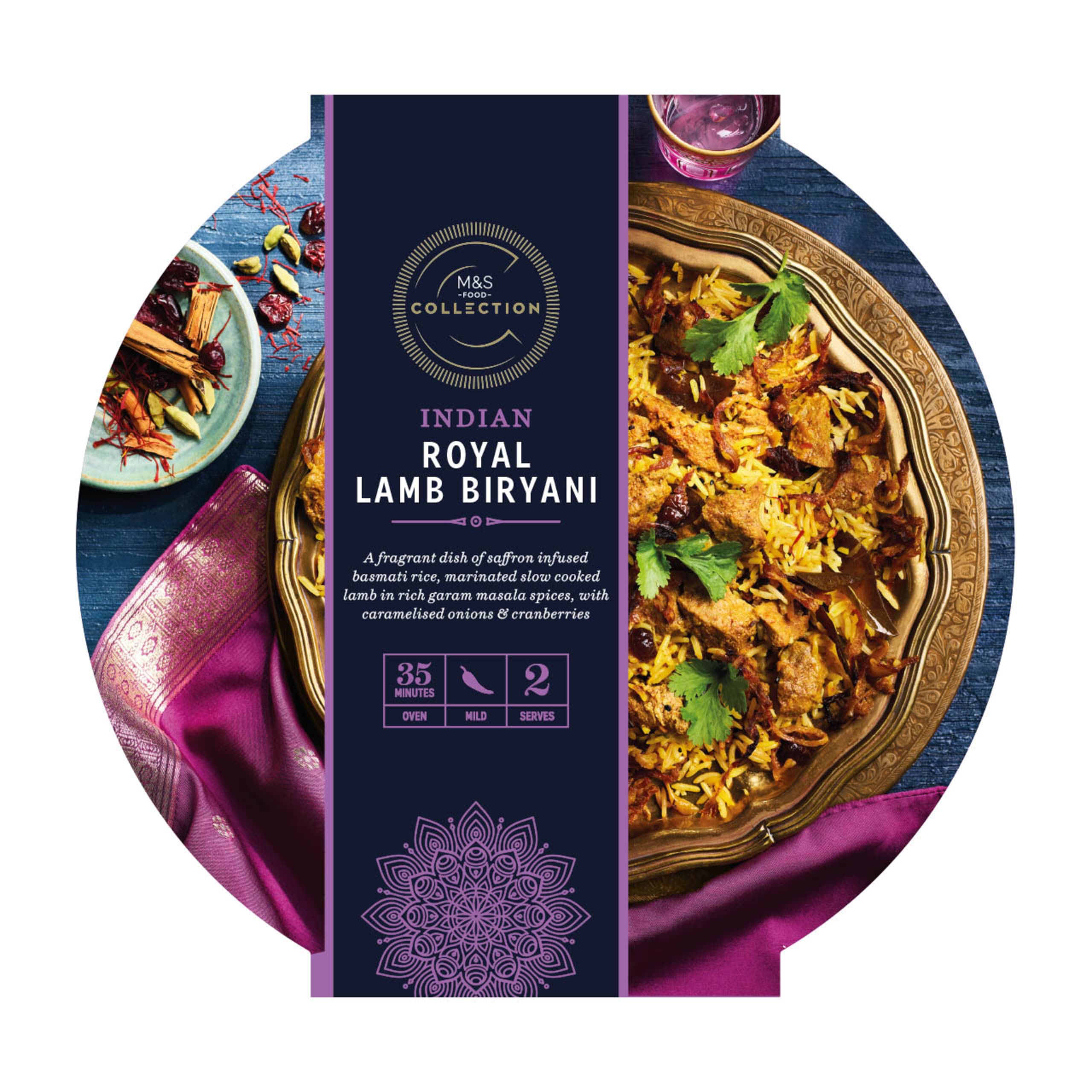
The Royal Lamb Biryani contains several beneficial ingredients such as basmati rice, lamb, onions, yogurt, and coconut cream, which contribute to its nutritional value. However, the presence of rapeseed oil, a highly processed ingredient, detracts from its overall healthiness. Additionally, the product's processing level limits its potential score, despite the inclusion of whole food ingredients.
Key ingredients 11
Basmati RiceGood
Basmati rice is a whole grain that provides essential carbohydrates and energy. It is minimally processed and retains more nutrients compared to refined grains. Its low glycemic index makes it a healthier choice for blood sugar management.
Benefits
Provides a good source of energy and essential nutrients like B vitamins and minerals.
LambGood
Lamb is a high-quality source of protein and essential nutrients such as iron and vitamin B12. It is beneficial for muscle growth and maintenance. Grass-fed lamb is particularly rich in omega-3 fatty acids and conjugated linoleic acid (CLA).
Risks
Excessive consumption of red meat may be linked to increased risk of certain diseases.
Benefits
Rich in protein and essential nutrients, supporting muscle health and providing important vitamins and minerals.
OnionsGood
Onions are a natural source of antioxidants and have anti-inflammatory properties. They contain quercetin, which may help reduce blood pressure and improve heart health. Onions also add flavor without the need for additional salt or fat.
Benefits
Provides antioxidants and anti-inflammatory benefits, supporting overall health.
YogurtGood
Yogurt is a good source of probiotics, which support gut health and digestion. It also provides calcium and protein, contributing to bone health. The fermentation process enhances its nutritional profile.
Risks
May cause issues for individuals with lactose intolerance.
Benefits
Supports gut health with probiotics and provides essential nutrients like calcium and protein.
Coconut CreamGood
Coconut cream is rich in medium-chain triglycerides (MCTs), which are easily digestible fats that provide quick energy. It adds a creamy texture and flavor to dishes without the need for dairy. Coconut cream is also a source of lauric acid, which has antimicrobial properties.
Risks
High in saturated fats, which should be consumed in moderation.
Benefits
Provides quick energy and adds a rich flavor, with potential antimicrobial benefits from lauric acid.
Garlic PuréeGood
Garlic purée provides the health benefits of garlic, including its antioxidant and anti-inflammatory properties. It may help reduce blood pressure and improve cholesterol levels. Garlic is also known for its immune-boosting effects.
Benefits
Offers antioxidant and immune-boosting benefits, supporting cardiovascular health.
Ginger PuréeGood
Ginger purée contains gingerol, which has powerful anti-inflammatory and antioxidant effects. It can help reduce nausea and improve digestion. Ginger is also known for its potential to reduce muscle pain and soreness.
Benefits
Provides anti-inflammatory and digestive benefits, supporting overall health.
ButterNeutral
Butter is a source of saturated fats and provides fat-soluble vitamins like A and D. It adds flavor and richness to dishes. However, it should be consumed in moderation due to its high saturated fat content.
Risks
High in saturated fats, which can contribute to heart disease if consumed in excess.
Benefits
Provides fat-soluble vitamins and enhances flavor in cooking.
GheeNeutral
Ghee is clarified butter that is rich in fat-soluble vitamins and butyrate, which supports gut health. It has a high smoke point, making it suitable for cooking. However, it is high in saturated fats.
Risks
High in saturated fats, which should be consumed in moderation.
Benefits
Supports gut health with butyrate and provides fat-soluble vitamins.
SaltNeutral
Salt is essential for maintaining fluid balance and nerve function. It enhances flavor in foods but should be consumed in moderation to avoid high blood pressure. The type of salt used can affect its mineral content.
Risks
Excessive consumption can lead to high blood pressure and cardiovascular issues.
Benefits
Essential for fluid balance and nerve function, enhancing flavor in foods.
Rapeseed OilVery Bad
Rapeseed oil, also known as canola oil, is high in omega-6 fatty acids, which can promote inflammation when consumed in excess. It is often highly processed and may contain trans fats. The extraction process typically involves chemical solvents.
Risks
High omega-6 content may promote inflammation when consumed in excess.
Processing
Processed Foods
Get the full breakdown in the Scout appTake Scout shopping
Scan any product to see lab results, healthy alternatives, and your personalized analysis.
Download on theApp Store GET IT ONGoogle Play