


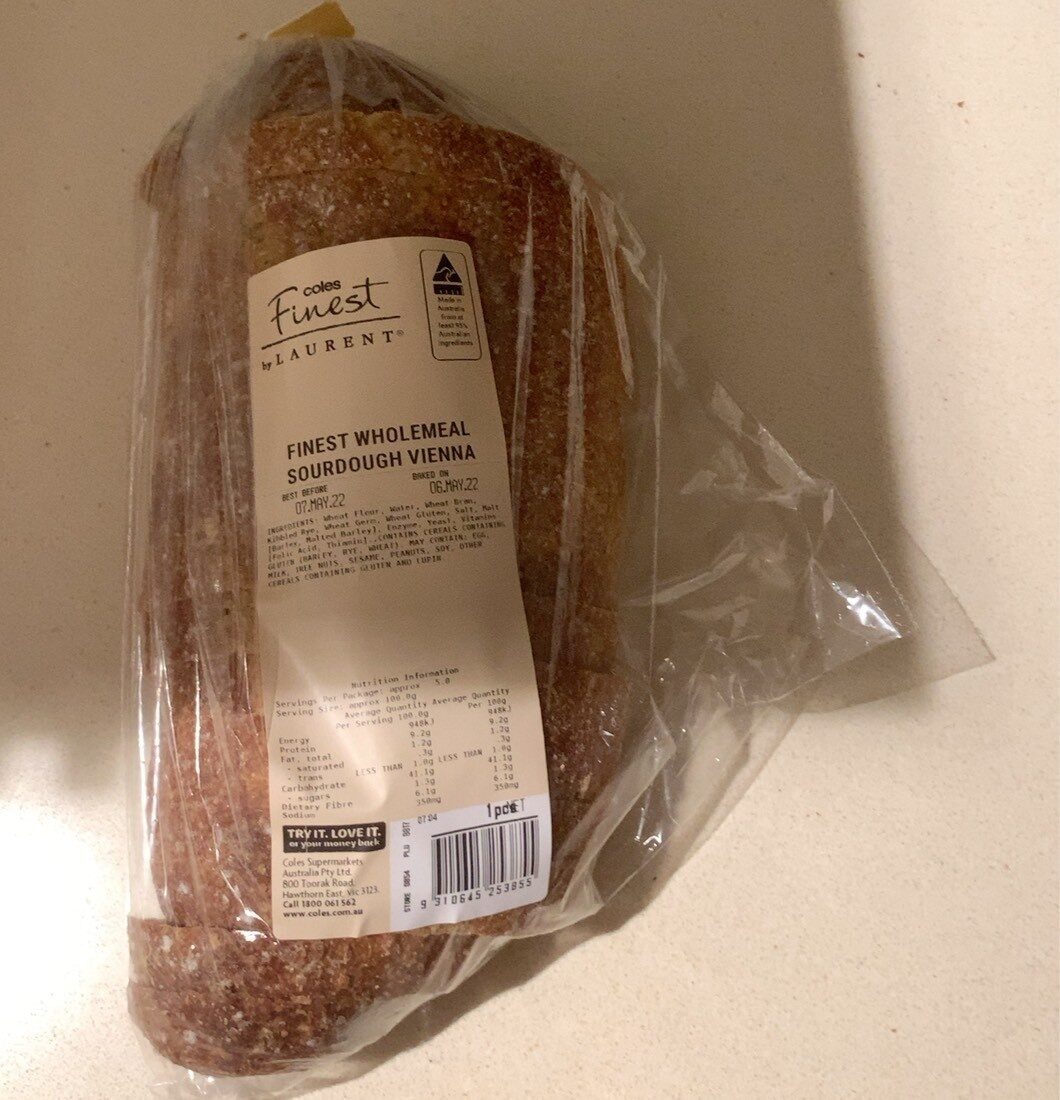
At a glance
Summary
The Large Sourdough Buns are made with beneficial ingredients like wheat sourdough and olive oil, which enhance flavor and provide healthy fats. However, the presence of natural flavorings, which lack transparency, and the product's processed nature limit its score. Despite these factors, the buns maintain a relatively clean ingredient list compared to other processed foods.
Key ingredients 9
Wheat sourdoughGood
Wheat sourdough is made from fermented wheat flour and water, enhancing flavor and digestibility. The fermentation process can increase the bioavailability of nutrients and improve gut health. It also contributes to a lower glycemic index compared to non-fermented bread.
Risks
Contains gluten, which may be problematic for those with celiac disease or gluten intolerance.
Benefits
Improves digestibility and nutrient absorption due to fermentation, and may support gut health.
Olive oilGood
Olive oil is a healthy fat known for its monounsaturated fatty acids and antioxidants. It supports heart health and has anti-inflammatory properties. Cold-pressed olive oil retains more beneficial compounds compared to refined oils.
Benefits
Rich in monounsaturated fats and antioxidants, supporting heart health and reducing inflammation.
WaterNeutral
Water is a basic ingredient used to hydrate and bind the dough. It is essential for the fermentation process in sourdough. Water itself does not provide nutritional benefits but is crucial for dough consistency.
Benefits
Essential for hydration and dough formation, but does not contribute nutritional value.
YeastNeutral
Yeast is used as a leavening agent to help the dough rise. It contributes to the texture and flavor of the bread. Yeast itself does not provide significant nutritional benefits.
Benefits
Essential for leavening and flavor development in bread products.
SaltNeutral
Salt is used to enhance flavor and control yeast activity in bread. It is a necessary component in small amounts but can contribute to high sodium intake if overused. Refined salt lacks the trace minerals found in unrefined varieties.
Risks
Excessive consumption can lead to high blood pressure and other cardiovascular issues.
Benefits
Enhances flavor and helps regulate yeast activity in dough.
Inactive sourdoughNeutral
Inactive sourdough is used for flavor enhancement without leavening properties. It provides a tangy taste typical of sourdough products. It does not contribute to the nutritional profile significantly.
Benefits
Enhances flavor profile of the bread without affecting its nutritional content.
Wheat malt flourNeutral
Wheat malt flour is used to enhance flavor and color in baked goods. It is made from sprouted wheat grains, which can increase enzyme activity. However, it does not significantly alter the nutritional profile of the product.
Risks
Contains gluten, which may be problematic for those with celiac disease or gluten intolerance.
Benefits
Enhances flavor and color of baked goods, but provides minimal nutritional benefits.
Wheat flourBad
Refined grain flour stripped of bran and germ.
Risks
May contribute to blood sugar spikes and is a common allergen for those with gluten sensitivity.
Benefits
Provides essential carbohydrates for energy but lacks significant nutritional benefits compared to whole grains.
Natural flavouringsBad
Natural flavourings are used to enhance taste but lack transparency in their composition. They can be derived from various sources and may include additives. The term 'natural' does not guarantee health benefits or quality.
Risks
Potential for undisclosed additives and allergens, and lack of transparency in ingredient sourcing.
Processing
Processed Foods
Get the full breakdown in the Scout appTake Scout shopping
Scan any product to see lab results, healthy alternatives, and your personalized analysis.
Download on theApp Store GET IT ONGoogle Play