
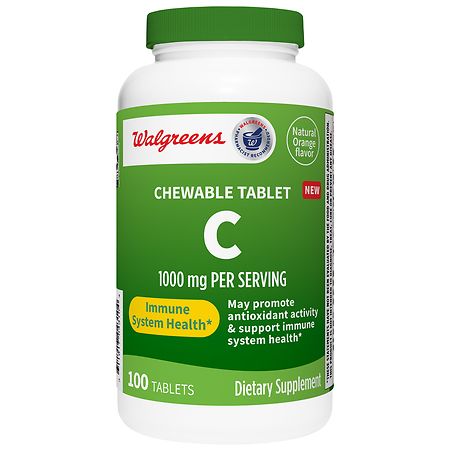

Walgreens Vitamin C 1000mg Chewable Tablets - 100.0 EA
Analysis updated July 2026 · How Scout scores
At a glance
Summary
This vitamin C supplement contains several concerning ingredients, including sucralose, an artificial sweetener that may impact gut health, and sucrose, which can contribute to increased blood sugar levels. The presence of maltodextrin as a filler and the use of natural flavors without transparency further detract from its formulation quality. While it provides vitamin C, the inclusion of these additives and sweeteners affects its overall healthfulness.
Key ingredients 9
Microcrystalline CelluloseNeutral
Microcrystalline cellulose is a refined wood pulp used as a texturizer and anti-caking agent. It is considered safe for consumption and does not contribute calories or nutrients. It is commonly used in supplements to ensure consistent tablet formation.
See more about Microcrystalline Cellulose →SorbitolNeutral
Sorbitol is a sugar alcohol used as a sweetener and humectant in food products. It provides fewer calories than sugar and has a lower glycemic index. However, excessive consumption can lead to gastrointestinal discomfort.
Risks
May cause digestive issues such as bloating and diarrhea when consumed in large amounts.
Benefits
Provides a lower-calorie alternative to sugar with a reduced impact on blood sugar levels.
Arabic GumNeutral
Arabic gum is a natural gum made from the sap of the acacia tree, used as a stabilizer and thickening agent. It is generally recognized as safe and is used to improve the texture of products. It has minimal nutritional impact.
Benefits
May aid in stabilizing and improving the texture of food products.
Stearic AcidNeutral
Stearic acid is a saturated fatty acid used as a lubricant and binder in supplements. It is considered safe and does not significantly impact cholesterol levels. It is commonly used to ensure smooth tablet production.
See more about Stearic Acid →PolyvinylpyrrolidoneNeutral
Polyvinylpyrrolidone is a synthetic polymer used as a binder and stabilizer in pharmaceuticals and supplements. It is considered safe for consumption and does not contribute to nutritional value. It helps maintain the integrity of tablet formulations.
SucroseBad
Sucrose is a simple sugar that can contribute to increased blood sugar levels and dental cavities. It is often used as a sweetener in processed foods, which can lead to excessive calorie intake. Regular consumption of sucrose without moderation can lead to metabolic issues.
Risks
Excessive consumption of sucrose can lead to obesity, insulin resistance, and dental problems.
SucraloseBad
Sucralose is an artificial sweetener that is much sweeter than sugar and used to reduce calorie content. While it is approved for use, some studies suggest it may affect gut health and insulin response. It is often criticized for being a synthetic additive.
Risks
Potential impacts on gut microbiota and insulin sensitivity have been suggested in some studies.
Benefits
Provides a non-caloric sweetening option for those managing calorie intake.
MaltodextrinBad
Processed additive flagged under Scout's ingredient doctrine.
Risks
May cause rapid increases in blood sugar levels, particularly in large quantities.
Natural Orange FlavorBad
Natural orange flavor is a catch-all term for flavoring derived from natural sources, but it lacks transparency in its composition. It is often used to enhance taste but may include various additives. The lack of specificity can be concerning for those with allergies or sensitivities.
Risks
Potential for allergic reactions or sensitivities due to unspecified components.
Processing
Processed Foods
Get the full breakdown in the Scout appTake Scout shopping
Scan any product to see lab results, healthy alternatives, and your personalized analysis.
Download on theApp Store GET IT ONGoogle Play