
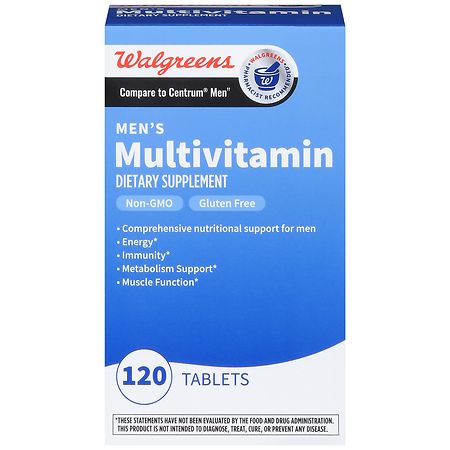

Walgreens Men's Multivitamin Dietary Supplement (120 days) - 120.0 ea
Analysis updated July 2026 · How Scout scores
At a glance
Summary
This multivitamin contains beneficial ingredients such as calcium carbonate, magnesium oxide, potassium chloride, and ascorbic acid, which support bone health, muscle function, and immune health. However, the presence of maltodextrin, a highly processed filler, detracts from the overall formulation quality. The product's processing level and inclusion of a filler ingredient result in a moderate score, reflecting a balance between beneficial nutrients and processing concerns.
Key ingredients 8
Magnesium OxideGood
Magnesium oxide is a mineral supplement used to prevent and treat low amounts of magnesium in the blood. It is less bioavailable compared to other forms but is effective for addressing magnesium deficiency. It supports muscle and nerve function.
Risks
High doses can cause gastrointestinal issues such as diarrhea.
Benefits
Supports muscle function, nerve transmission, and energy production.
Ascorbic AcidGood
Ascorbic acid, also known as Vitamin C, is a powerful antioxidant that supports immune function and skin health. It is water-soluble and must be consumed regularly as the body does not store it. It enhances iron absorption from plant-based foods.
Risks
High doses may cause gastrointestinal discomfort and increase the risk of kidney stones.
Benefits
Boosts immune system function and acts as an antioxidant to protect cells from damage.
Calcium CarbonateNeutral
Standard formulation ingredient — neither beneficial nor harmful at typical use.
Risks
Excessive intake can lead to hypercalcemia, which may cause kidney stones and impaired absorption of other minerals.
Benefits
Provides essential calcium needed for bone density and overall skeletal health.
Potassium ChlorideNeutral
Standard formulation ingredient — neither beneficial nor harmful at typical use.
Risks
Excessive intake can lead to hyperkalemia, which may cause heart rhythm problems.
Benefits
Essential for maintaining normal heart function and fluid balance.
Dicalcium PhosphateNeutral
Dicalcium phosphate is used as a dietary supplement and a tableting agent in some pharmaceutical preparations. It provides calcium and phosphorus, which are essential for bone health. It is generally considered safe when used as directed.
Benefits
Provides calcium and phosphorus, which are important for bone structure.
Microcrystalline CelluloseNeutral
Microcrystalline cellulose is a refined wood pulp used as a texturizer, anti-caking agent, and bulking agent in food production. It is inert and does not provide nutritional value. It is commonly used in supplements to aid in tablet formation.
See more about Microcrystalline Cellulose →Dl-AlphaNeutral
Dl-Alpha is a synthetic form of Vitamin E used in supplements for its antioxidant properties. It is less bioavailable than the natural form but still provides some antioxidant benefits. It helps protect cells from oxidative damage.
Benefits
Provides antioxidant protection and supports immune function.
MaltodextrinBad
Maltodextrin is a polysaccharide used as a food additive to improve texture and shelf life. It is highly processed and can cause spikes in blood sugar levels. It is often used as a filler or thickener in supplements.
Risks
May cause blood sugar spikes and is not suitable for individuals with diabetes.
Processing
Processed Foods
Get the full breakdown in the Scout appTake Scout shopping
Scan any product to see lab results, healthy alternatives, and your personalized analysis.
Download on theApp Store GET IT ONGoogle Play