
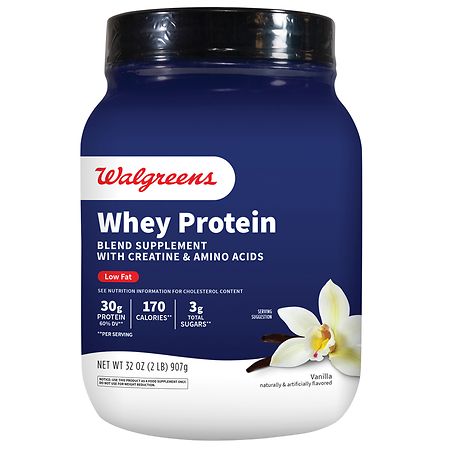
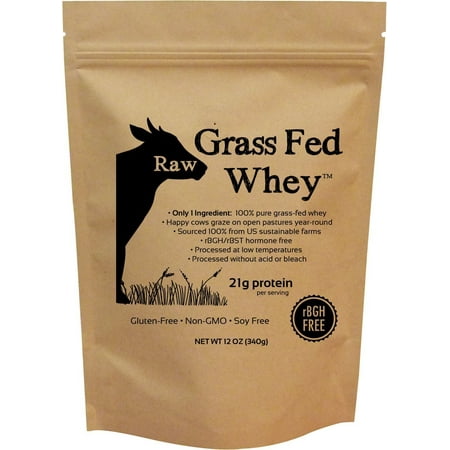


Walgreens Whey Protein Powder with Creatine & Amino Acids - 32.0 oz
Analysis updated July 2026 · How Scout scores
At a glance
Summary
This protein powder contains beneficial ingredients like whey protein concentrate and isolate, which are high-quality protein sources. However, it includes maltodextrin, a high-glycemic filler, and soy lecithin, an emulsifier, which are less desirable in clean-label products. The presence of these additives and the level of processing contribute to a moderate score, reflecting a balance between quality protein content and the use of unnecessary fillers.
Key ingredients 6
Whey Protein ConcentrateGood
Whey protein concentrate is a high-quality animal-based protein source with a rich amino acid profile. It is minimally processed compared to other protein forms, retaining more nutrients. This makes it an excellent choice for muscle building and recovery.
Benefits
Provides essential amino acids that support muscle growth and repair.
Whey Protein IsolateGood
Whey protein isolate is a highly refined form of whey protein with a higher protein content and lower fat and lactose levels. It is ideal for those seeking a concentrated protein source with minimal carbohydrates and fats. This makes it suitable for lactose-intolerant individuals.
Benefits
Offers a high protein content with minimal lactose, supporting muscle maintenance and growth.
Cellulose GumNeutral
Cellulose gum is a thickening agent derived from plant fibers, commonly used to improve texture in processed foods. It is generally considered safe and has no significant nutritional value. Its role is primarily functional, contributing to the product's consistency.
See more about Cellulose Gum →Cocoa Powder Processed With AlkaliNeutral
Cocoa powder processed with alkali, also known as Dutch-processed cocoa, has a milder flavor and darker color. The alkalization process reduces acidity but may also decrease some beneficial antioxidants. It is primarily used for flavoring.
Benefits
Provides flavor and color, with some antioxidant properties retained.
MaltodextrinBad
Maltodextrin is a high-glycemic carbohydrate often used as a filler or thickener in processed foods. It can cause rapid spikes in blood sugar levels, which may be undesirable for those managing blood sugar. Its use in supplements is often criticized for being an unnecessary additive.
Risks
High glycemic index may lead to blood sugar spikes and is not suitable for diabetics.
Benefits
Provides quick energy, which can be beneficial for athletes needing rapid glycogen replenishment.
Soy LecithinBad
Soy lecithin is an emulsifier derived from soybeans, used to improve texture and mixability in food products. While generally safe, it is a processed ingredient and may contain trace amounts of soy allergens. Its use is often criticized in clean-label products.
Risks
May contain soy allergens, which can be a concern for those with soy allergies.
Benefits
Helps improve the texture and mixability of the product.
Processing
Processed Foods
Get the full breakdown in the Scout appTake Scout shopping
Scan any product to see lab results, healthy alternatives, and your personalized analysis.
Download on theApp Store GET IT ONGoogle Play