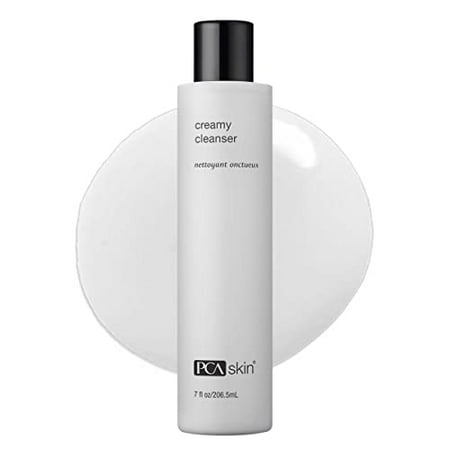
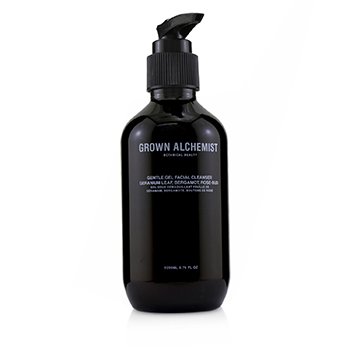
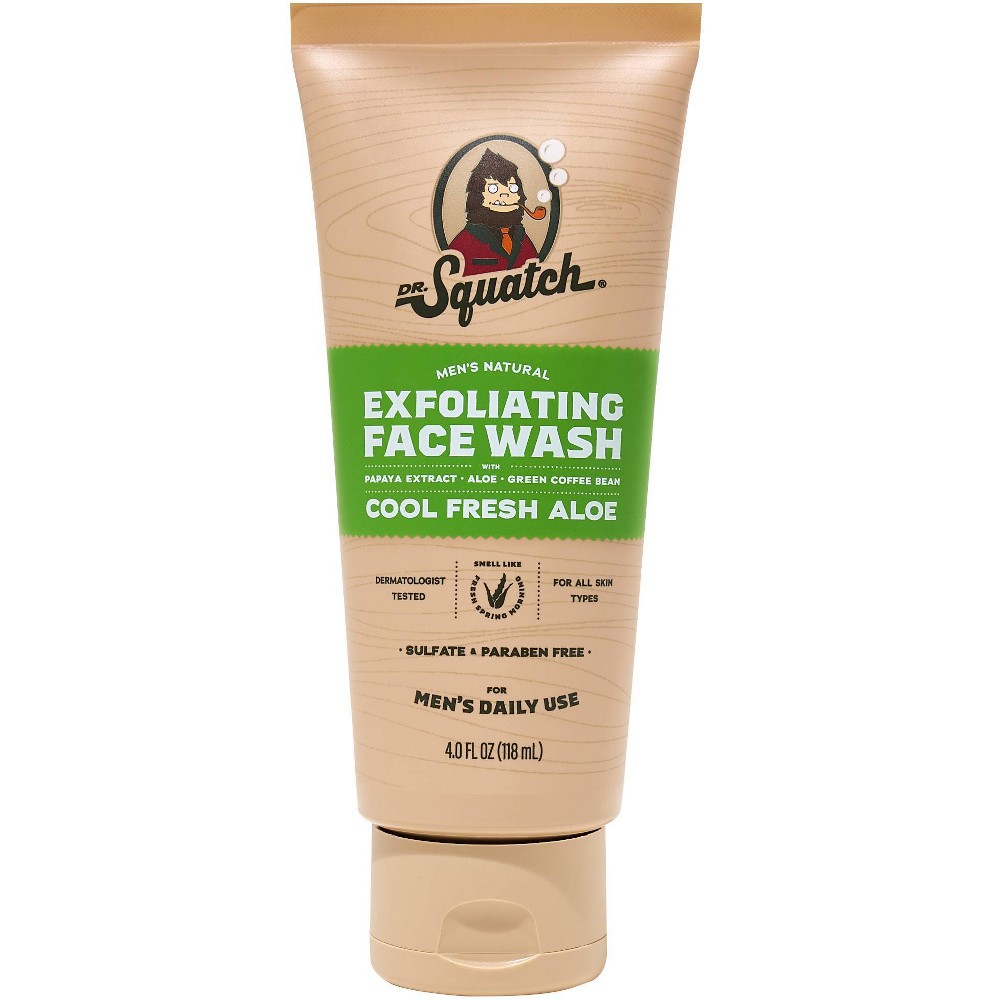
CeraVeHydrating Cleanser For Normal to Dry Skin (Packaging Random Pick) 473ml/16oz

At a glance
Summary
This cleanser contains beneficial ingredients like glycerin, ceramides, and fatty alcohols that help moisturize and restore the skin barrier. However, the presence of PEG compounds and polysorbate indicates a moderate level of processing, which slightly impacts the overall safety score. The product avoids harsh surfactants and harmful preservatives, making it a generally safe choice for skincare. Its plastic packaging can shed microplastics into the product and lowers its score.
Key ingredients 24
Ceramide APVery Good
Ceramide AP is a skin-identical lipid that helps to restore the skin barrier and retain moisture. It is beneficial for maintaining healthy skin and preventing moisture loss. It is considered safe and effective for most skin types.
Risks
There are minimal risks associated with ceramides.
Benefits
It helps to strengthen the skin barrier and improve hydration.
Ceramide EOPVery Good
Ceramide EOP is a skin-identical lipid that helps to restore the skin barrier and retain moisture. It is beneficial for maintaining healthy skin and preventing moisture loss. It is considered safe and effective for most skin types.
Risks
There are minimal risks associated with ceramides.
Benefits
It helps to strengthen the skin barrier and improve hydration.
GlycerinGood
Glycerin is a humectant that attracts moisture to the skin, helping to keep it hydrated. It is widely used in skincare for its moisturizing properties. It is considered safe and beneficial for most skin types.
Risks
There are minimal risks associated with glycerin, though it can cause irritation in very rare cases.
Benefits
Glycerin helps maintain skin hydration and improves skin barrier function.
Ceramide NPGood
Ceramide NP is a skin-identical lipid that helps to restore the skin barrier and retain moisture. It is beneficial for maintaining healthy skin and preventing moisture loss. It is considered safe and effective for most skin types.
Risks
There are minimal risks associated with ceramides.
Benefits
It helps to strengthen the skin barrier and improve hydration.
PhytosphingosineGood
Phytosphingosine is a lipid that helps to maintain the skin barrier and has anti-inflammatory properties. It is beneficial for soothing irritated skin and improving skin health. It is considered safe and effective for most skin types.
Risks
There are minimal risks associated with phytosphingosine.
Benefits
It helps to soothe the skin and improve barrier function.
CholesterolGood
Cholesterol is a lipid that helps to maintain the skin barrier and retain moisture. It is beneficial for improving skin hydration and elasticity. It is considered safe and effective for most skin types.
Risks
There are minimal risks associated with cholesterol.
Benefits
It helps to improve skin hydration and barrier function.
Sodium HyaluronateGood
Sodium Hyaluronate is a form of hyaluronic acid that helps to attract and retain moisture in the skin. It is highly effective for hydrating and plumping the skin. It is considered safe and beneficial for most skin types.
Risks
There are minimal risks associated with sodium hyaluronate.
Benefits
It provides intense hydration and improves skin texture.
TocopherolGood
Tocopherol, or Vitamin E, is an antioxidant that helps to protect the skin from free radical damage. It is beneficial for improving skin health and preventing signs of aging. It is considered safe and effective for most skin types.
Risks
There are minimal risks associated with tocopherol.
Benefits
It provides antioxidant protection and improves skin health.
Aqua/WaterNeutral
Aqua, or water, is a common solvent used in cosmetics to dissolve other ingredients. It is essential for the formulation but does not provide direct skin benefits. It acts as a base for the product.
Risks
There are no significant risks associated with water in cosmetic formulations.
Benefits
Water helps to hydrate the skin by providing moisture.
Cetearyl AlcoholNeutral
Standard formulation ingredient — neither beneficial nor harmful at typical use.
Risks
There are minimal risks, though some individuals may experience mild irritation.
Benefits
It provides moisturizing benefits and improves the texture of the product.
Stearyl AlcoholNeutral
Standard formulation ingredient — neither beneficial nor harmful at typical use.
Risks
There are minimal risks, though some individuals may experience mild irritation.
Benefits
It provides moisturizing benefits and improves the texture of the product.
Cetyl AlcoholNeutral
Standard formulation ingredient — neither beneficial nor harmful at typical use.
Risks
There are minimal risks, though some individuals may experience mild irritation.
Benefits
It provides moisturizing benefits and improves the texture of the product.
PEG-40 StearateNeutral
PEG-40 Stearate is an emulsifier that helps to blend oil and water-based ingredients. It is commonly used in cosmetics for its stabilizing properties. It is generally considered safe for use in cosmetics.
Risks
There is a potential risk of contamination with 1,4-dioxane, a byproduct of ethoxylation.
Benefits
It helps to stabilize formulations and improve product consistency.
Glyceryl StearateNeutral
Standard formulation ingredient — neither beneficial nor harmful at typical use.
Risks
There are minimal risks, though some individuals may experience mild irritation.
Benefits
It helps to maintain skin hydration and improve product consistency.
Polysorbate 20Neutral
Polysorbate 20 is an emulsifier used to blend oil and water-based ingredients. It is commonly used in cosmetics for its stabilizing properties. It is generally considered safe for use in cosmetics.
Risks
There is a potential risk of contamination with 1,4-dioxane, a byproduct of ethoxylation.
Benefits
It helps to stabilize formulations and improve product consistency.
EthylhexylglycerinNeutral
Ethylhexylglycerin is a preservative and skin conditioning agent. It is used to enhance the efficacy of other preservatives and provide moisturizing benefits. It is generally considered safe for use in cosmetics.
Risks
There are minimal risks, though some individuals may experience mild irritation.
Benefits
It helps to preserve the product and provide skin conditioning benefits.
Potassium PhosphateNeutral
Potassium Phosphate is used as a buffering agent to maintain the pH of cosmetic formulations. It helps to stabilize the product and ensure its effectiveness. It is generally considered safe for use in cosmetics.
Risks
There are minimal risks associated with its use in cosmetics.
Benefits
It helps to maintain product stability and effectiveness.
Dipotassium PhosphateNeutral
Dipotassium Phosphate is used as a buffering agent to maintain the pH of cosmetic formulations. It helps to stabilize the product and ensure its effectiveness. It is generally considered safe for use in cosmetics.
Risks
There are minimal risks associated with its use in cosmetics.
Benefits
It helps to maintain product stability and effectiveness.
Sodium Lauroyl LactylateNeutral
Sodium Lauroyl Lactylate is a mild surfactant and emulsifier used in cosmetics. It helps to cleanse the skin and stabilize formulations. It is generally considered safe and non-irritating.
Risks
There are minimal risks, though some individuals may experience mild irritation.
Benefits
It provides gentle cleansing and improves product consistency.
Xanthan GumNeutral
Xanthan Gum is a thickening agent used to stabilize cosmetic formulations. It helps to improve the texture and consistency of products. It is generally considered safe for use in cosmetics.
Risks
There are minimal risks associated with xanthan gum.
Benefits
It helps to stabilize formulations and improve product texture.
CarbomerNeutral
Carbomer is a thickening agent used to stabilize and thicken cosmetic formulations. It helps to improve the texture and consistency of products. It is generally considered safe for use in cosmetics.
Risks
There are minimal risks associated with carbomer.
Benefits
It helps to stabilize formulations and improve product texture.
PhenoxyethanolBad
Processed additive flagged under Scout's ingredient doctrine.
Risks
In high concentrations, it can cause skin irritation and allergic reactions.
Benefits
It helps to preserve the product and extend its shelf life.
Behentrimonium MethosulfateBad
Processed additive flagged under Scout's ingredient doctrine.
Risks
There are minimal risks, though some individuals may experience mild irritation.
Benefits
It provides conditioning benefits and improves product texture.
Disodium EDTABad
Processed additive flagged under Scout's ingredient doctrine.
Risks
There are minimal risks, though it can cause irritation in very rare cases.
Benefits
It helps to stabilize formulations and extend product shelf life.
Processing
Processed Foods
Get the full breakdown in the Scout appTake Scout shopping
Scan any product to see lab results, healthy alternatives, and your personalized analysis.