


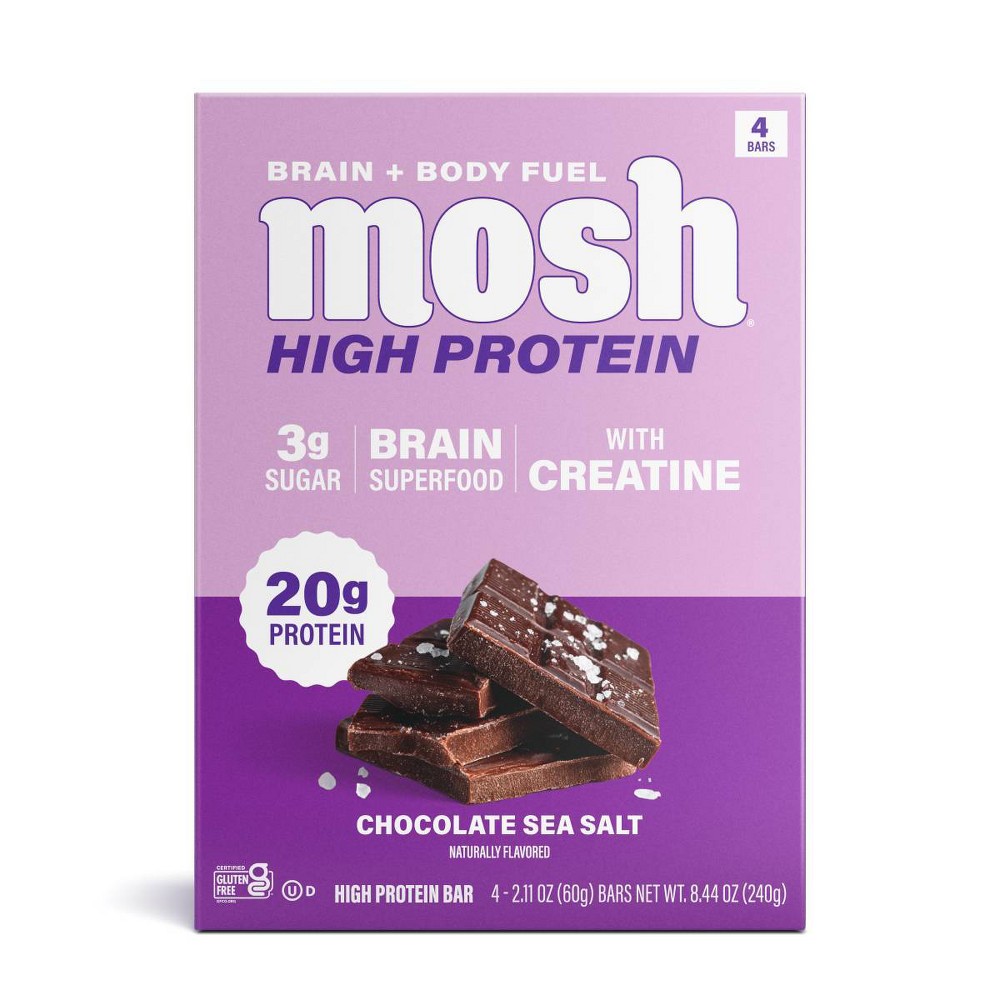

At a glance
Summary
This high protein bar contains beneficial ingredients like milk proteins and whey protein, which are high-quality sources of complete protein. However, it also includes refined coconut oil and soy lecithin, which are processed ingredients that do not contribute nutritional value. The presence of multiple additives and the use of natural flavors, which can lack transparency, further impact the overall formulation quality.
Key ingredients 11
Milk ProteinsVery Good
Milk proteins are a high-quality source of complete protein, providing all essential amino acids necessary for muscle repair and growth. They are derived from milk, which is a natural and minimally processed source of protein. Compared to plant-based proteins, milk proteins offer superior bioavailability and absorption.
Benefits
Rich in essential amino acids, supporting muscle growth and recovery.
Whey ProteinVery Good
Whey protein is a highly bioavailable source of protein, known for its rapid absorption and effectiveness in promoting muscle protein synthesis. It is derived from milk and is considered a high-quality protein source. Whey protein is often favored for its complete amino acid profile and quick digestibility.
Benefits
Supports muscle repair and growth due to its complete amino acid profile.
Cocoa PowderGood
Beneficial ingredient — whole-food or functional value in this product class.
Benefits
Adds flavor and contains antioxidants.
Chocolate With SweetenerNeutral
Chocolate with sweetener provides flavor and palatability to the product without adding significant sugar content. The use of maltitol as a sweetener reduces the caloric impact compared to sugar. However, excessive consumption of sugar alcohols like maltitol can cause digestive discomfort.
Risks
Excessive consumption of maltitol may lead to digestive issues such as bloating and diarrhea.
Benefits
Provides a sweet taste with reduced sugar content, enhancing product palatability.
Steviol GlycosidesNeutral
Steviol glycosides are natural sweeteners derived from the stevia plant, offering a zero-calorie alternative to sugar. They are considered safe and do not significantly impact blood sugar levels. Steviol glycosides are a popular choice for reducing sugar content in products.
Benefits
Provides sweetness without calories, suitable for sugar reduction.
GelatinNeutral
Gelatin is used as a gelling agent and stabilizer in food products. It is derived from animal collagen and is a source of amino acids. While it contributes to texture, it does not provide significant nutritional benefits in small quantities.
Benefits
Contributes to product texture and stability.
GlycerolNeutral
Glycerol is used as a humectant to retain moisture in food products, preventing them from drying out. It is a sugar alcohol that is generally recognized as safe. While it serves a functional purpose, it does not provide nutritional benefits.
Risks
Excessive consumption may cause digestive discomfort.
Benefits
Helps maintain moisture and texture in the product.
SaltNeutral
Salt is used to enhance flavor and preserve food. It is a common ingredient in processed foods but should be consumed in moderation to avoid health issues related to high sodium intake. Salt is essential for various bodily functions but excessive intake can be harmful.
Risks
High sodium intake can lead to hypertension and cardiovascular issues.
Benefits
Enhances flavor and acts as a preservative.
Soy LecithinBad
Soy lecithin is used as an emulsifier to improve texture and consistency in processed foods. It is derived from soybeans, which may be genetically modified and heavily processed. While it serves a functional purpose, it does not contribute nutritional value.
Risks
Potential allergen for individuals sensitive to soy and may be derived from genetically modified sources.
Benefits
Improves texture and consistency of the product.
Refined Coconut OilBad
Refined coconut oil is used for its stability and neutral flavor in processed foods. The refining process removes impurities but also strips away some beneficial compounds found in virgin coconut oil. It is a source of saturated fats, which should be consumed in moderation.
Risks
High in saturated fats, which may contribute to cardiovascular issues if consumed in excess.
Benefits
Provides stability and neutral flavor to the product.
Natural Vanilla FlavorBad
Natural vanilla flavor is used to enhance the taste of food products. It is often derived from vanilla beans but may also include other natural sources. The term 'natural flavor' can be vague and may include a variety of compounds, leading to concerns about transparency.
Risks
Lack of transparency in ingredient sourcing and composition.
Benefits
Enhances flavor profile of the product.
Processing
Ultra-Processed Foods
Get the full breakdown in the Scout appTake Scout shopping
Scan any product to see lab results, healthy alternatives, and your personalized analysis.
Download on theApp Store GET IT ONGoogle Play