



At a glance
Summary
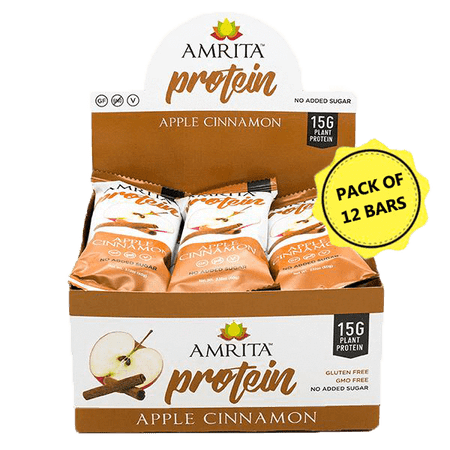
This plant-based protein bar includes beneficial ingredients like brown rice protein, organic pea protein, almonds, and cashews, which contribute to its nutritional value. However, the presence of palm oil and natural flavors introduces some concerns due to their environmental impact and lack of transparency, respectively. The product is moderately processed, which is typical for protein bars, but the use of natural flavors and palm oil slightly detracts from its overall health profile.
Key ingredients 15
AlmondsVery Good
Almonds are a nutrient-dense nut rich in healthy fats, protein, and vitamins such as vitamin E. They provide antioxidants and support heart health. Their inclusion adds nutritional value and texture to the product.
Benefits
Rich in monounsaturated fats and antioxidants, supporting heart health and providing essential nutrients.
CashewsVery Good
Cashews are a nutrient-rich nut providing healthy fats, protein, and essential minerals like magnesium and zinc. They support heart health and provide a creamy texture to foods. Their inclusion adds nutritional value and beneficial fats.
Benefits
Rich in healthy fats and essential minerals, supporting overall health.
Brown Rice ProteinGood
Brown rice protein is a plant-based protein source that provides essential amino acids. It is hypoallergenic and suitable for those avoiding animal proteins. While it may have a less complete amino acid profile compared to animal proteins, it is a clean and minimally processed option.
Benefits
Provides a plant-based protein source that is hypoallergenic and suitable for vegans.
Sea SaltGood
Beneficial ingredient — whole-food or functional value in this product class.
Risks
Excessive sodium intake may increase the risk of hypertension.
Benefits
Contains trace minerals and enhances the flavor of foods.
Cocoa ButterGood
Natural traditional fat pressed from cacao.
Risks
High in saturated fats, which may impact heart health if consumed excessively.
Benefits
Provides a smooth texture and rich flavor, along with antioxidants.
Vanilla ExtractGood
Beneficial ingredient — whole-food or functional value in this product class.
Benefits
Enhances flavor with natural vanilla compounds.
Tapioca FiberNeutral
Tapioca fiber is a carbohydrate source derived from cassava root, often used as a gluten-free alternative. It provides dietary fiber which can aid in digestion. However, it is a processed ingredient and lacks significant nutritional benefits beyond fiber content.
Benefits
Provides dietary fiber which can support digestive health.
Cassava Root FlourNeutral
Cassava root flour is a gluten-free flour alternative derived from the cassava plant. It is a source of carbohydrates but lacks significant protein or micronutrient content. It is minimally processed compared to other flour alternatives.
Benefits
Offers a gluten-free carbohydrate source for those with gluten sensitivities.
Organic Pea ProteinNeutral
Standard formulation ingredient — neither beneficial nor harmful at typical use.
Benefits
Rich in essential amino acids and free from common allergens, supporting muscle growth and repair.
Medium Chain TriglyceridesNeutral
Medium chain triglycerides (MCTs) are fats that are metabolized differently than long-chain triglycerides, providing a quick energy source. They are often derived from coconut or palm kernel oil. While beneficial for energy, they should be consumed in moderation.
Risks
Excessive intake may lead to gastrointestinal discomfort.
Benefits
Provides a quick source of energy and may support weight management.
Chocolate LiquorNeutral
Chocolate liquor is a pure form of chocolate containing both cocoa solids and cocoa butter. It provides a rich chocolate flavor and is a source of antioxidants. However, it is calorie-dense and should be consumed in moderation.
Risks
High caloric content may contribute to weight gain if consumed in excess.
Benefits
Rich in antioxidants and provides a deep chocolate flavor.
Sunflower LecithinNeutral
Sunflower lecithin is an emulsifier derived from sunflower seeds, used to stabilize and blend ingredients. It is a natural alternative to soy lecithin and is free from common allergens. While it serves a functional purpose, it does not provide significant nutritional benefits.
Benefits
Acts as a natural emulsifier and is free from common allergens.
Organic Cane SugarBad
Processed additive flagged under Scout's ingredient doctrine.
Risks
Excessive consumption can lead to increased risk of obesity and dental issues.
Benefits
Provides a natural source of sweetness with minimal processing.
Palm OilBad
Palm oil is a widely used vegetable oil that is high in saturated fats. Its production is often associated with deforestation and environmental concerns. While it is stable at high temperatures, its health impact is debated due to its saturated fat content.
Risks
High saturated fat content may contribute to cardiovascular issues if consumed in excess.
Benefits
Provides stability and texture to food products due to its high melting point.
Natural FlavorsBad
Natural flavors are additives used to enhance taste, but their exact composition is often undisclosed. They can contain a variety of compounds, some of which may not be beneficial. The lack of transparency can be concerning for consumers seeking clean labels.
Risks
Potential for undisclosed additives that may not align with clean eating principles.
Benefits
Enhances the flavor profile of the product without artificial additives.
Processing
Ultra-Processed Foods
Get the full breakdown in the Scout appTake Scout shopping
Scan any product to see lab results, healthy alternatives, and your personalized analysis.
Download on theApp Store GET IT ONGoogle Play